The Step-by-Step Process for a Complete Roof Replacement
A secure, efficient roof is critical for every property—commercial, industrial, or residential. When leaks, water damage, or aging materials threaten your building’s structural integrity, opting for a complete roof replacement is a valuable long-term investment. This comprehensive guide shows South Australian businesses and owners the full process, essential safety measures, how to budget and plan, and the major cost drivers behind full roof replacement cost. With expertise from Reroof Surgeon, we’ll clarify every step so you’ll know exactly what to expect, avoid common pitfalls, and ensure your next roofing project delivers lasting, weatherproof results. Whether you manage a warehouse, office, or large residential asset, this resource is your roadmap to a smooth, code-compliant roofing system upgrade.
Table of Contents
Pre-Replacement Considerations: Inspection, Budgeting, and Material Choice
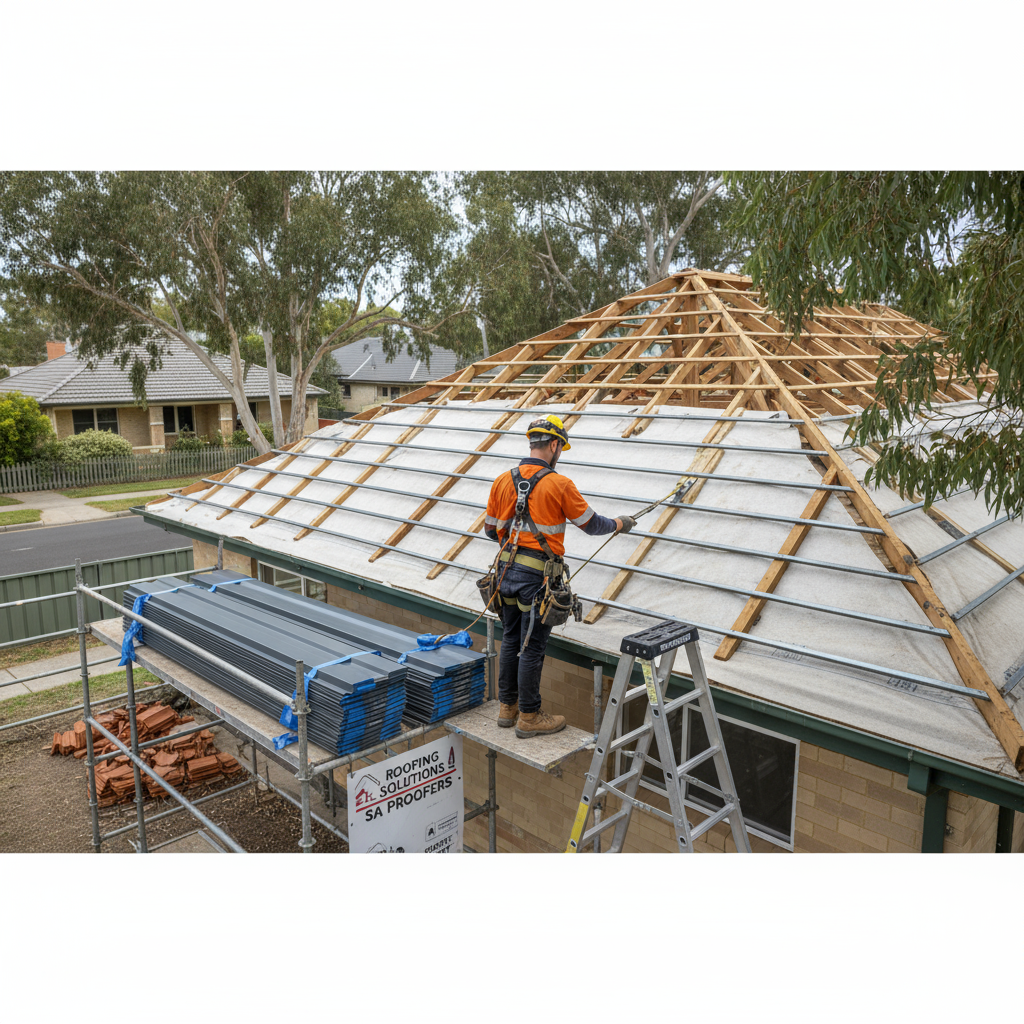
Roof Inspection and Assessment:
A thorough roof inspection is the crucial first step in any roof replacement. Certified roofing professionals evaluate the entire roof and roof deck for water damage, storm impact, and material fatigue. These experts use their knowledge to differentiate between localized repairs and the need for a full roof replacement. A proper assessment protects commercial investments by identifying hidden concerns before work starts.
Budgeting and Planning:
– Full roof replacement cost factors in labour, materials, permit fees, and any required structural repairs.
– Financing options might include staged payments or finance plans tailored for commercial roof replacement.
– Permitting: Local authorities regulate roofing work, often requiring permits and pre- or post-job checks.
Material Selection:
Choosing the right common roofing material is pivotal—balancing durability, roof size, appearance, and local climate. Metal roofing (especially COLORBOND®) is highly regarded across South Australia for its longevity and energy efficiency, making it ideal for both metal roofs and commercial applications. Compare shingle roofs for residential settings versus metal roofs for low-maintenance commercial sites. Discuss your operational needs, insulation, and drainage requirements with your roofing contractor.
Obtaining Necessary Permits:
– Consult with local authorities to learn which permits are necessary for the roofing project.
– Schedule required inspections to ensure compliance with South Australian codes.
Partnering with a specialist like Reroof Surgeon ensures a transparent scope and code-compliant process from the very beginning.
Safety Precautions and Preparatory Steps
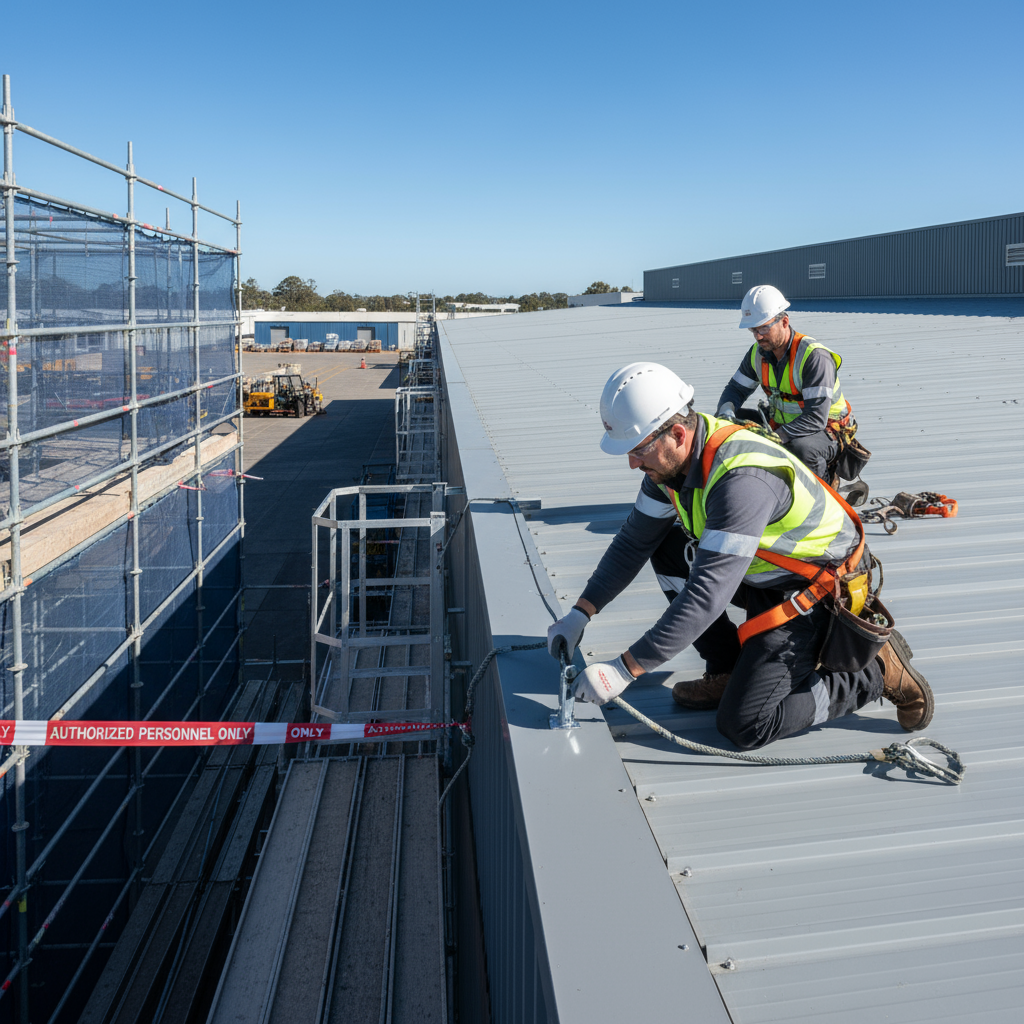
Personal Safety Measures:
Every commercial or industrial roofing project demands careful attention to safety equipment and site protocols:
– Personal Protective Equipment (PPE): Helmets, gloves, harnesses, and high-visibility vests.
– Safety equipment: Edge protection, harness systems, fall-arrest, and defined exclusion zones create a safe workspace.
Site Safety Protocols:
– Property Protection: Shield gardens, landscaping, and entrances before any roofing work begins.
– Clear Communication: Set up site signage and brief the team on safety roles and emergency plans.
Preparation for Replacement:
– Work Area Preparation: Clear parking lots, walkways and vulnerable spaces around the building.
– Reroof Surgeon’s Advantage: With uniformed, experienced crews and disciplined site management, expect professional conduct from setup to final inspection.
Step-by-Step Roof Replacement Process: From Demolition to Clean-up
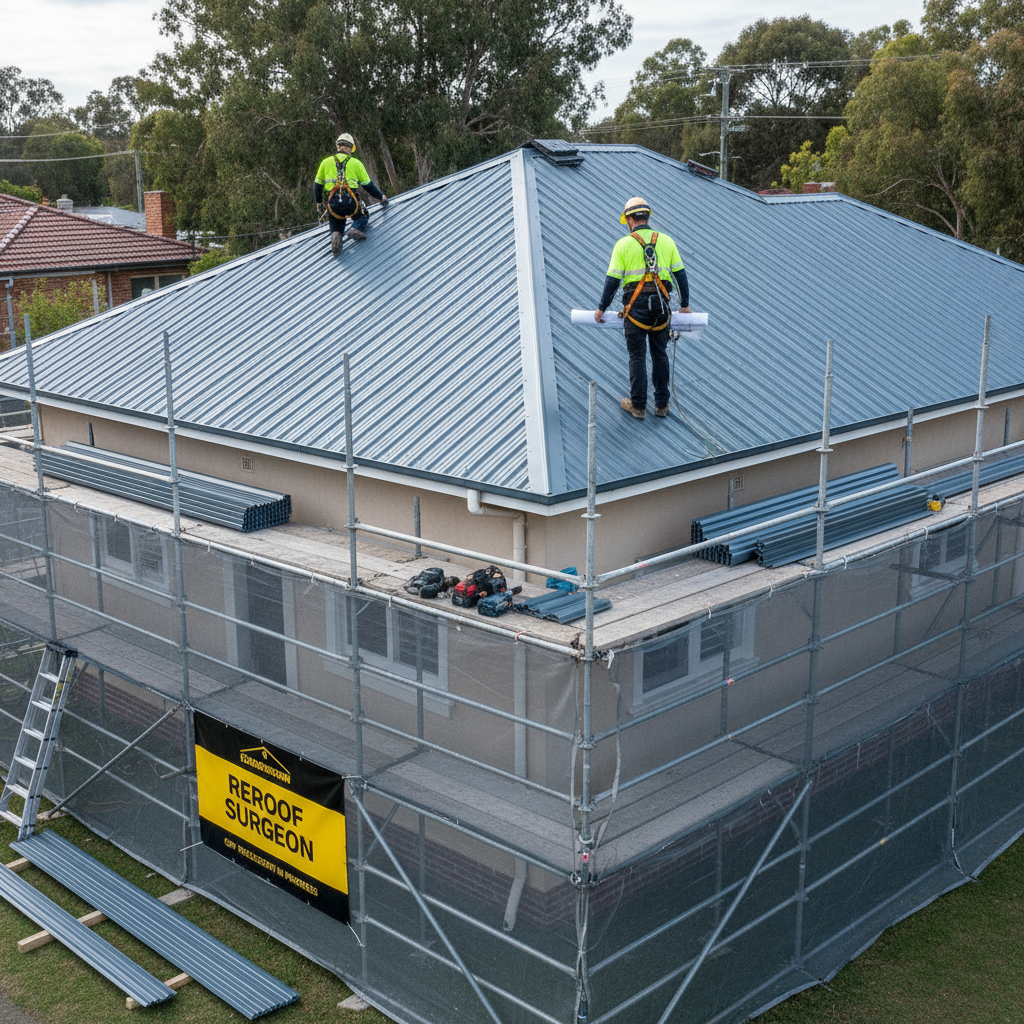
1. Removing the Old Roofing
– Tools: Roofing shovel, roof rake, and safety equipment ease the removal. Roofing nails and old flashing must be thoroughly extracted.
– Disposal: Old materials, including underlayment and flashing, should be sorted and disposed of in accordance with environmental regulations. Professional roofing contractors coordinate timely removal and skip hire to prevent site congestion.
2. Inspecting and Repairing the Roof Deck
– Following removal, roofing professionals inspect the exposed roof deck and roof decking for structural soundness. Signs of water damage or rot demand urgent repairs. Skipping this check is a major pitfall—every complete roof replacement relies on a healthy substructure.
3. Underlayment Installation
– Choosing Underlayment: Options include self-stick underlayment, synthetic roofing underlayment, or ice and water sheathing, with each offering specific barriers against moisture ingress.
– Roof Underlayment: Acts as the secondary leak barrier underneath your chosen roof material.
– Underlayment Installation: Installers lay and fasten underlayment with precision, ensuring valleys and eaves get extra attention for waterproofing. Starter shingles and valley flashing are critical here, especially on shingle roofs.
4. Roofing Installation
– Material Installation: Metal roofs, COLORBOND® corrugated sheets, and other common roofing materials are aligned and fixed with compatible fasteners.
– Roofing nails: Correct type and placement secure maximum performance and wind resistance.
– Shingle roofs: Incorporate starter shingles, proper overlap, and alignment to prevent uplift or leaks.
– Commercial roof replacement: May require larger sheet spans, reinforced gutters, or insulation upgrades as scoped.
5. Flashing and Water Protection
– Roof flashing and valley flashing are installed to protect seams and roof intersections from water intrusion.
– Leak barriers and self-stick underlayments are meticulously placed around penetrations and valleys.
6. Gutter System and Finishing Touches
– Install and test the gutter system and downpipes for proper drainage.
– Final fixings: Ridge-capping, vent installation, and any roof flashing are installed with attention to both function and visual finish.
7. Final Inspection and Clean-Up Process
– Reroof Surgeon performs a detailed final inspection to confirm every element is up to standard.
– Clean-up process: Debris, roofing nails, and excess materials are removed; roof rake used to clear granules and small fragments.
– Site restored: All exclusion zones are removed, and the property is handed back ready for use.
Tools, Cost Estimates, and Expert Tips for a Smooth Project
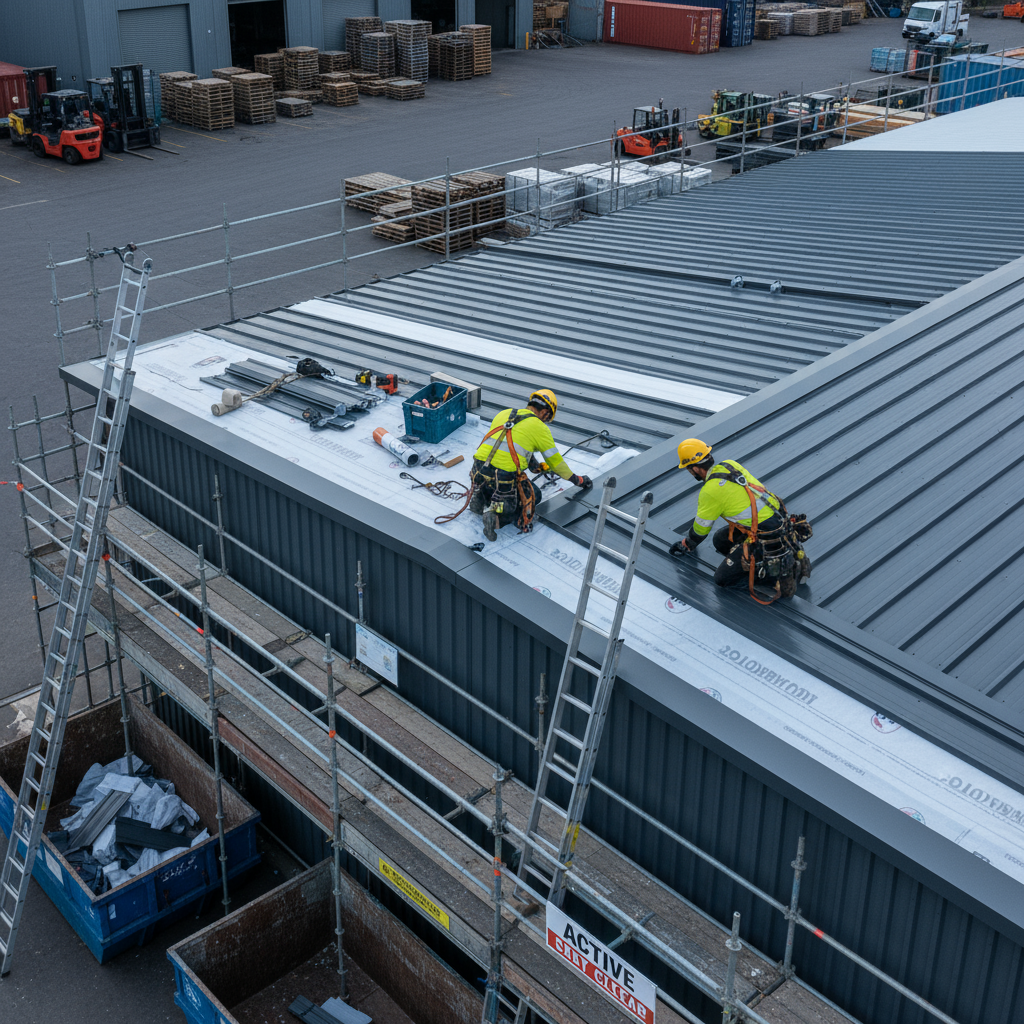
Tools & Materials Checklist:
– Safety equipment: PPE, edge protection, harness systems, ladders.
– Demo tools: Roofing shovel, roof rake, skips/bins for material removal.
– Roofing system tools: Nail guns, drills, measuring tapes, chalk lines, and caulking guns for flashing.
– Install materials: Metal roofing sheets, starter shingles, guttering, synthetic roofing underlayment, valley flashing, roofing nails, leak barriers, and compatible fasteners for your selected roofing system.
Time and Cost Estimates:
– Time:Roof replacement timelines vary from a few days to a couple of weeks depending on roof size, complexity, and commercial site constraints.
– Full roof replacement cost: Quotes range widely, with small commercial projects starting from several thousand, but rising based on size, chosen common roofing material, and any custom detailing or safety requirements.
Expert Tips and Common Mistakes to Avoid:
– Pro tip: Always begin with a qualified roof inspection—don’t cut corners on speed at the expense of a thorough assessment.
– Double-check flashing: Many leaks originate from poor roof flashing or valley installations, so invest extra care in these zones.
– Account for local authorities’ inspections: Compliance and safety documentation must be up-to-date to avoid costly delays.
– Schedule the final inspection: Book this in advance so your site can return to operational status without hiccups.
FAQs:
– How can I tell if I need a roof replacement? Signs include recurring leaks, sagging roof deck, persistent water damage, or energy efficiency declines.
– What are best practices for maintaining a new roof? Schedule regular inspections, keep gutters and downpipes clear, and attend to minor roof deck or gutter system repairs promptly.
Ready to take the next step? Already gathering competitive quotes? Talk to Reroof Surgeon for advice specific to your site, code compliance, and optimal system selection.
Start your complete roof replacement journey with expert guidance. From first inspection to final sign-off, each step in a complete roof replacement process protects your investment, minimises disruption, and delivers a lasting weatherproof upgrade. For bespoke advice, inspections, or a fixed-scope quote, consult the roofing professionals at Reroof Surgeon. Explore our project gallery or reach out for additional resources today!
Subscribe to our newsletter to get updated and enjoy a 10% voucher
November 7, 2025