Understanding Roofing Costs in South Australia
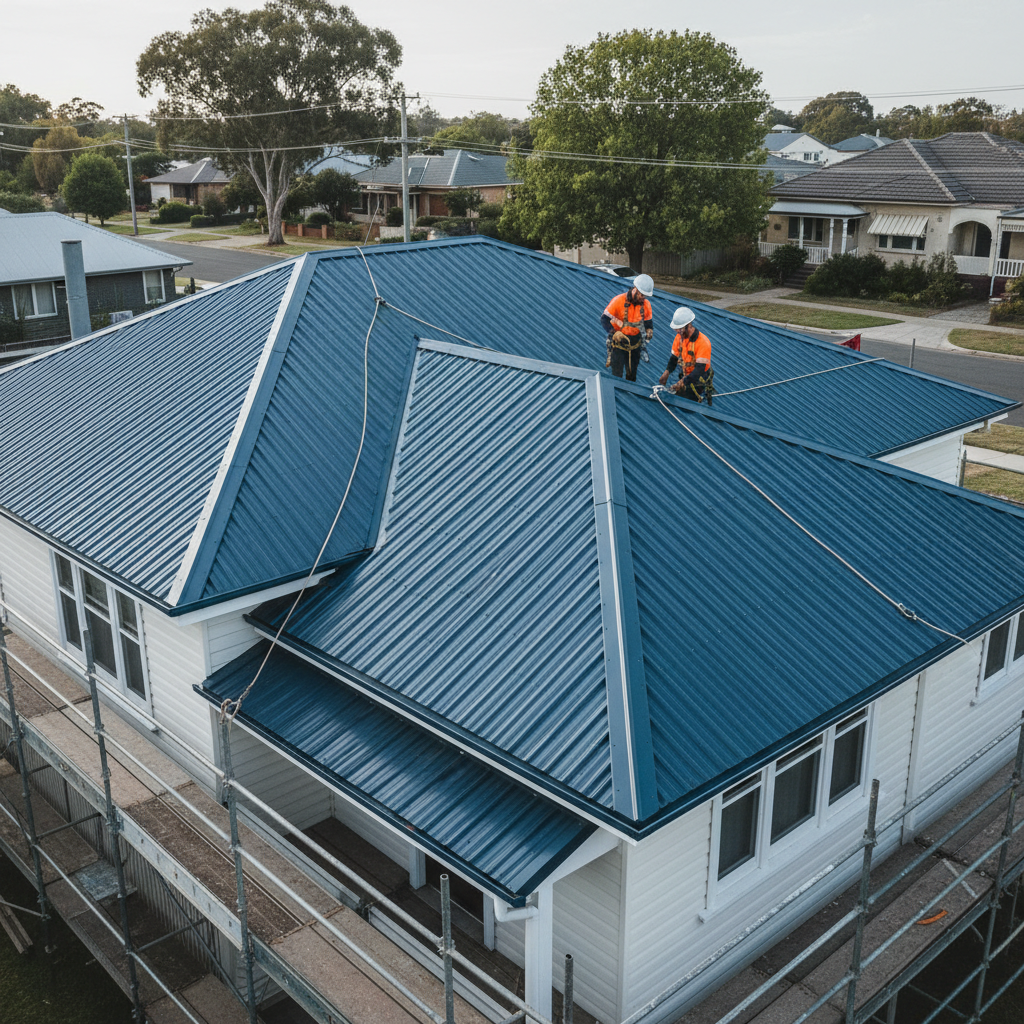
Understanding the true costs behind roofing in South Australia requires a closer look at several important factors influencing pricing and longevity. Homeowners and property investors must consider not just the immediate expenditure, but also the ongoing value and performance of their chosen roofing solution, especially in South Australia’s unique weather conditions, which range from harsh sun to seasonal downpours.
When it comes toroofing materials, South Australians have more choice than ever. Colorbond steel remains a top pick for both residential and commercial projects due to its durability, thermal efficiency, and sleek appearance. Within the Colorbond range, specialty products like Colorbond Ultra and Colorbond Stainless provide enhanced resistance to coastal or industrial environments—though at a premium price. Metal roofing systems are popular for their low maintenance and long expected lifespan, often exceeding 30 years with proper care. For those preferring a more traditional look, concrete and terracotta tiles each deliver distinct aesthetics along with varying degrees of insulation and weather resistance. Concrete tiles are generally more affordable and durable than terracotta, but both can be more labour-intensive to install or repair than metal options.
The cost breakdown for roofing in South Australia varies widely based on these selections. As a guideline, you might expect total installation expenses to fall within $70–$200 per square metre. This range is affected not just by your chosen material but also by your property’s structure: complex roof designs, such as those with steep pitches or multiple gables, will inevitably require more time and expertise to install, increasing the final cost. Labour for licensed roofing professionals is another major consideration, typically ranging from $50–$110 per hour, but can climb even higher during busy periods—spring and summer especially see demand spikes as Adelaide’s property owners rush to repair or update their roofs before winter storms set in.
It’s critical not to overlook the other expenses associated with reroofing or roof replacement. Site preparation might mean the removal of old roofing, safe disposal of hazardous materials, and making repairs to the underlying structure, such as rotten battens or framing. Waste removal costs, essential for getting rid of old shingles, tiles, or asbestos-laden materials, can add hundreds or even thousands to the bill. System upgrades—like insulation rollouts, gutter cleaning, gutter replacement, or valley replacements—also contribute to costs but are vital for the roof’s long-term performance and protection of your property’s foundations. The roof’s size, pitch, access, and the degree of existing damage will always play a role in the final price tag.
Property owners are encouraged to refer to cluster content, such as our detailed guides ‘How Much Does it Cost to Replace a Roof with Colorbond® in 2025?’ and ‘Understanding Roof Repair Costs in Adelaide’. These resources offer Comprehensive tables, scenario-based pricing examples, and advice on budgeting tailored for South Australian suburbs.
A final but crucial point: roof inspections. Routine inspections by licensed professionals are more than a box-ticking exercise—they are a proactive way to identify early signs of roof damage, leaks, broken flashing, or structural weakness. These inspections cost a fraction of a full replacement and can save thousands by guiding timely roof repairs before issues escalate into major safety or structural concerns. Responsible building owners—be they managing commercial, industrial, or residential properties—should schedule inspections after adverse weather events and on an annual basis. This helps clarify when a repair is sufficient, or when full reroofing is the safer, more cost-effective solution for the long term.
Considering South Australia’s building codes and climate, taking a holistic approach that factors in material choice, design complexity, labour, necessary upgrades, and regular inspection is the best way to manage roofing costs both now and into the future.
Comparative Analysis and Roofing Cost Trends
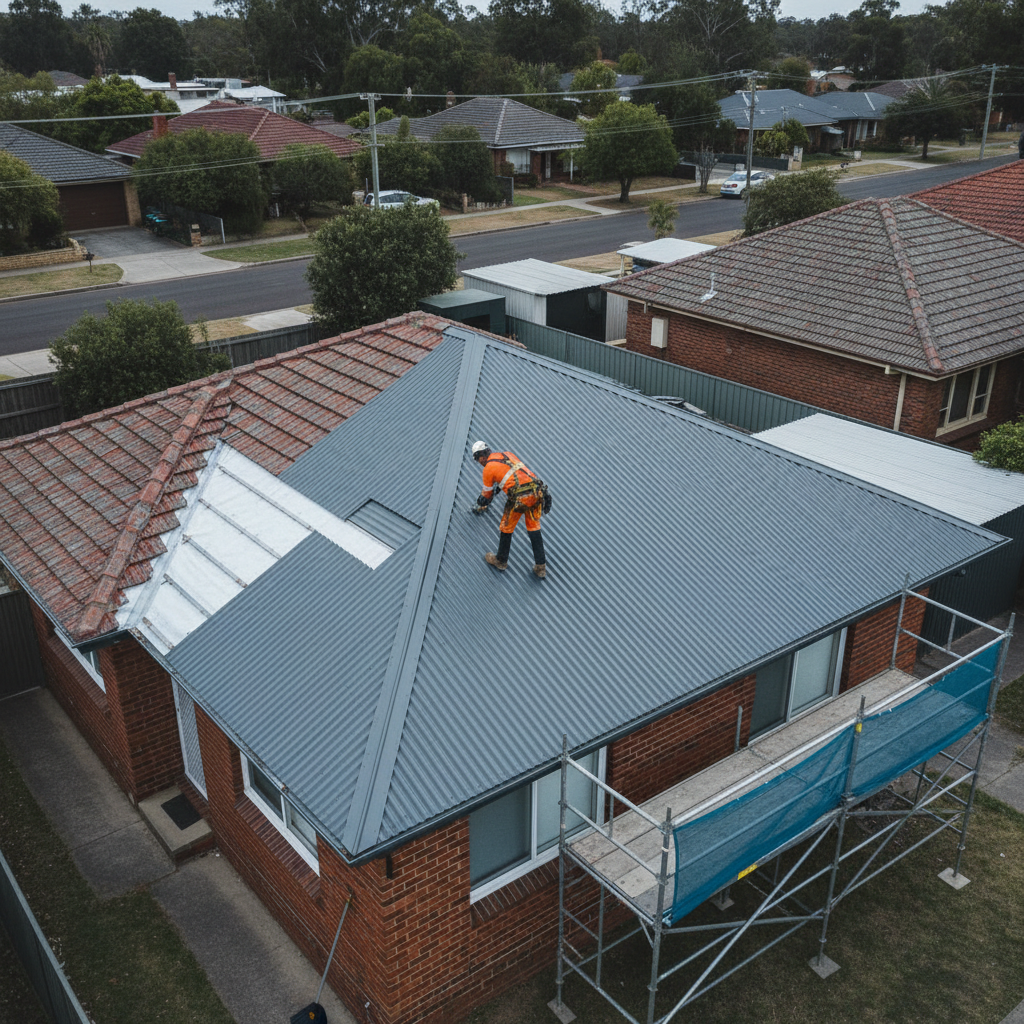
Roofing costs across South Australia are not static—they ebb and flow over time due to various market pressures, climate influences, and material trends. As we move into 2025, it’s important to understand what these trends mean both for your roofing budget and the overall value of your property.
Over the past few years (2023-2024), roofing prices have seen gradual increases, driven by both global and domestic factors. Disruptions in supply chains—such as shipping delays, shortages of raw materials, and increased fuel costs—have all contributed to higher prices on roofing products and building materials. At the same time, South Australia’s extreme weather events—ranging from scorching summer temperatures to intense storms—have pushed up labour demand as homeowners and business operators rush to undertake urgent repairs or complete preventative reroofing.
When comparing roofing materials, the choice you make will significantly impact both upfront costs and long-term savings. Colorbond roofs have surged in popularity for their robust lifespan, low maintenance needs, and outstanding energy efficiency. Manufactured by BlueScope Steel, Australian steel roofing materials like Colorbond Ultra can now last 40 years or more, and Modern coatings fight off corrosion, fading, and thermal damage. For those seeking extra performance, insulated Colorbond panels offer improved thermal retention and even acoustic dampening—especially valuable for commercial properties where noise and temperature stability are priorities.
While metal roofing leads in longevity and lower maintenance, tiled roofs—often made from terracotta or concrete—retain their appeal for heritage homes and certain design aesthetics. Tiles can be more affordable in materials initially, depending on the source and type, but they come with a few trade-offs. Maintenance is higher due to issues like cracked tiles, moss accumulation, and water ingress after storms. Replacement tiles may not always match the original, complicating long-term repairs and affecting property values. Labor for installing or replacing tile roofs also tends to be higher compared to streamlined Colorbond installations.
Labour costs themselves are highly dynamic. Outside market forces, such as post-disaster rebuilding booms (following severe hail, wind, or bushfire events), see skilled roofer availability drop while wages rise. This is especially visible in Adelaide, where large-scale commercial projects or multiple residential insurance repairs are underway. The result: a spike in reroofing quotes as demand outpaces supply.
Looking ahead, costs may also be influenced by local government incentives around energy efficiency and bushfire resilience. Some grant programs or regulations may increase the upfront outlay but offer long-term operational savings or added protection. For a deeper dive into these impacts, consult our related guide, ‘5 Key Factors That Influence the Final Price of Your New Roof.’
When planning your own roofing project, always factor in the hidden variables that drive costs up or down. While steel and Colorbond roofs may have a higher sticker price than entry-level tiles, their reduced need for maintenance and longer expected life often result in a lower total cost of ownership. Consider market volatility, potential weather events, and the availability of skilled tradespeople—all of which are especially relevant in South Australia’s climate.
Ultimately, staying abreast of current market trends, material innovations, and labour conditions is key to making a sound investment. By comparing all these elements, you can forecast the true cost of your roof replacement and protect both your budget and your long-term property value.
Influencing Factors in Roofing Costs
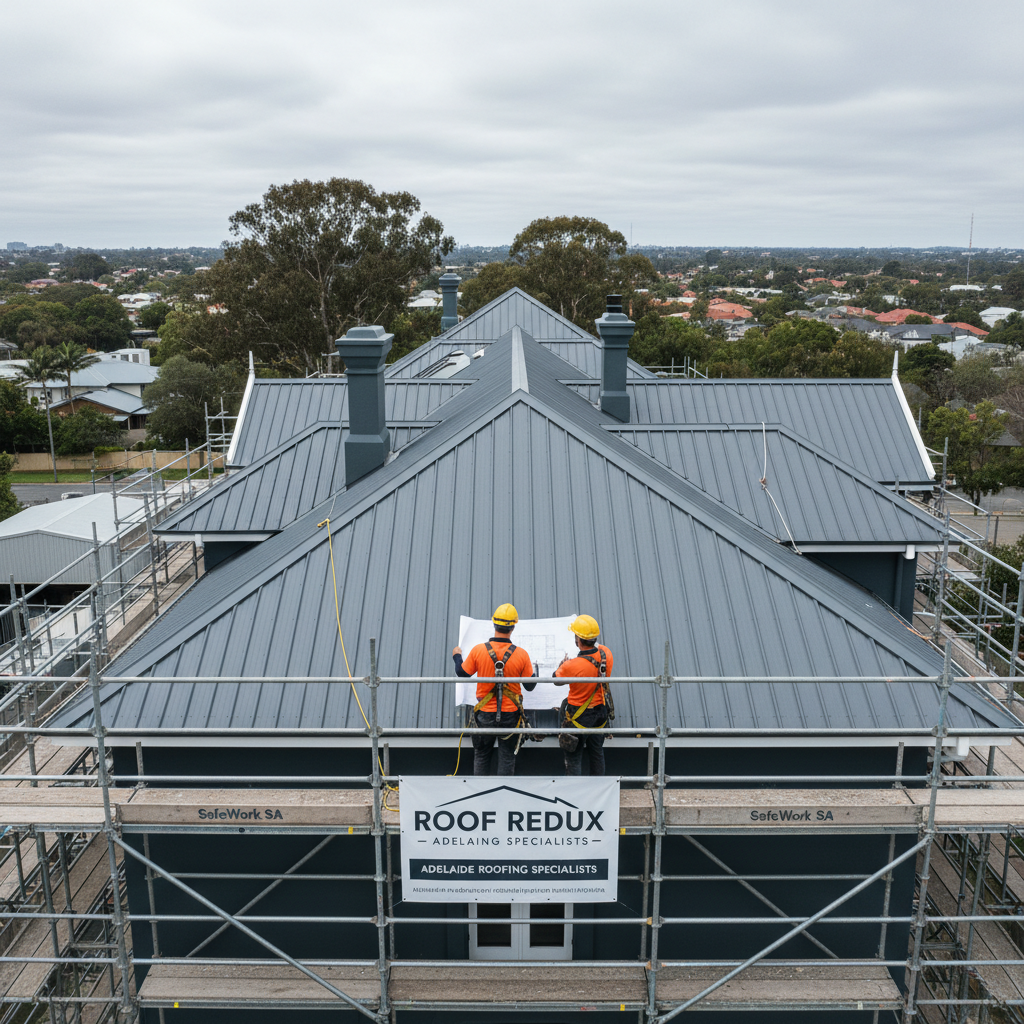
Several critical factors influence roofing costs in South Australia, and understanding these elements is essential for budgeting and planning your roof replacement or reroofing project. Each cost driver is interrelated, and the unique conditions of your property will ultimately determine your investment.
• Roof Design: The architecture of your roof—specifically, its pitch (slope), total size, and complexity—has a substantial impact on both material and labour costs. Steeper pitched roofs typically require more safety equipment, specialised tradespeople, and greater working time. Roofing with intricate features such as valleys, skylights, multiple levels, or custom eaves adds complexity and labour. For instance, a single-storey home with a simple gable roof will be far less costly to reroof than a multi-level property with turrets, chimneys, and intersecting rooflines, all demanding extra care and materials. Moreover, larger roofs inherently mean more square metres of material and more time on site, increasing the total cost substantially.
• Weather Impacts: South Australia’s harsh climate, including strong summer heat, storms, coastal salt exposure, and even hail, creates unique challenges. Severe weather can accelerate wear and tear, leading to premature roof failures or necessitating more robust materials. Roofs exposed to salt air, especially in coastal suburbs, must combat corrosion, prompting the use of premium, marine-grade options such as Colorbond Ultra or Stainless Steel. After major weather events (like an intense storm season), roof quotes can spike due to higher demand on skilled labour and supply shortages. Additionally, properties recovering from storm damage may face extra costs for repairs to underlying structures, removing wet insulation or replacing damaged battens. Preventative upgrades, such as improved guttering or roof ventilation, might also be recommended by your roofing contractor.
• Approvals, Waste Removal, and Compliance: Regulatory compliance is a non-negotiable aspect of roofing in Adelaide and wider SA. Council permits or approvals may be necessary, especially for substantial roof replacements or structural changes, adding time and administrative costs to your project. Stringent adherence to Australian Standards and South Australian building codes ensures quality and safety but may also mean upgrading insulation, sarking, or tying down fixtures to comply. Disposal and recycling of old roofing is another expense—tile or asbestos roofs, for example, must be handled and disposed of according to strict environmental and safety guidelines, which can significantly increase costs. For more guidance, see our cluster article on ‘Navigating Council Approvals for Re-Roofing in South Australia.’
• Regional Considerations: Location plays a major role in the longevity and suitability of roofing materials. Homes and businesses in the Adelaide Hills face higher rainfall and occasional bushfire risks, influencing the choice of fire-resistant and robust roofing systems. In coastal regions, constant exposure to salt-laden winds can corrode standard metal roofing prematurely, so products like Colorbond Ultra, Stainless Steel, or specially treated tiles are sometimes specified by your roofer for optimal durability. These material upgrades, while more expensive upfront, can offer significant savings over time by minimising maintenance and replacement frequencies.
• Complexity and Accessibility: Beyond roof design, basic site logistics and access influence costs. Properties with limited site access—such as narrow urban lots, dense landscaping, or steep driveways—require more manual handling, scaffolding, or cranes, all of which add to the total bill. Transporting materials and waste is also more challenging, sometimes requiring multiple trips and specialised equipment.
In summary, every reroofing project in South Australia is unique. Careful assessment of your roof’s size, design, exposure to the elements, local regulations, and the specific characteristics of your location will help generate an accurate quote and avoid unpleasant surprises. Always ensure you receive a detailed, itemised roofing proposal so you can see exactly how these factors are costed and discuss any trade-offs or upgrades with your licensed roofing professional.
Practical Guides, FAQs, and How to Choose a Roofing Contractor
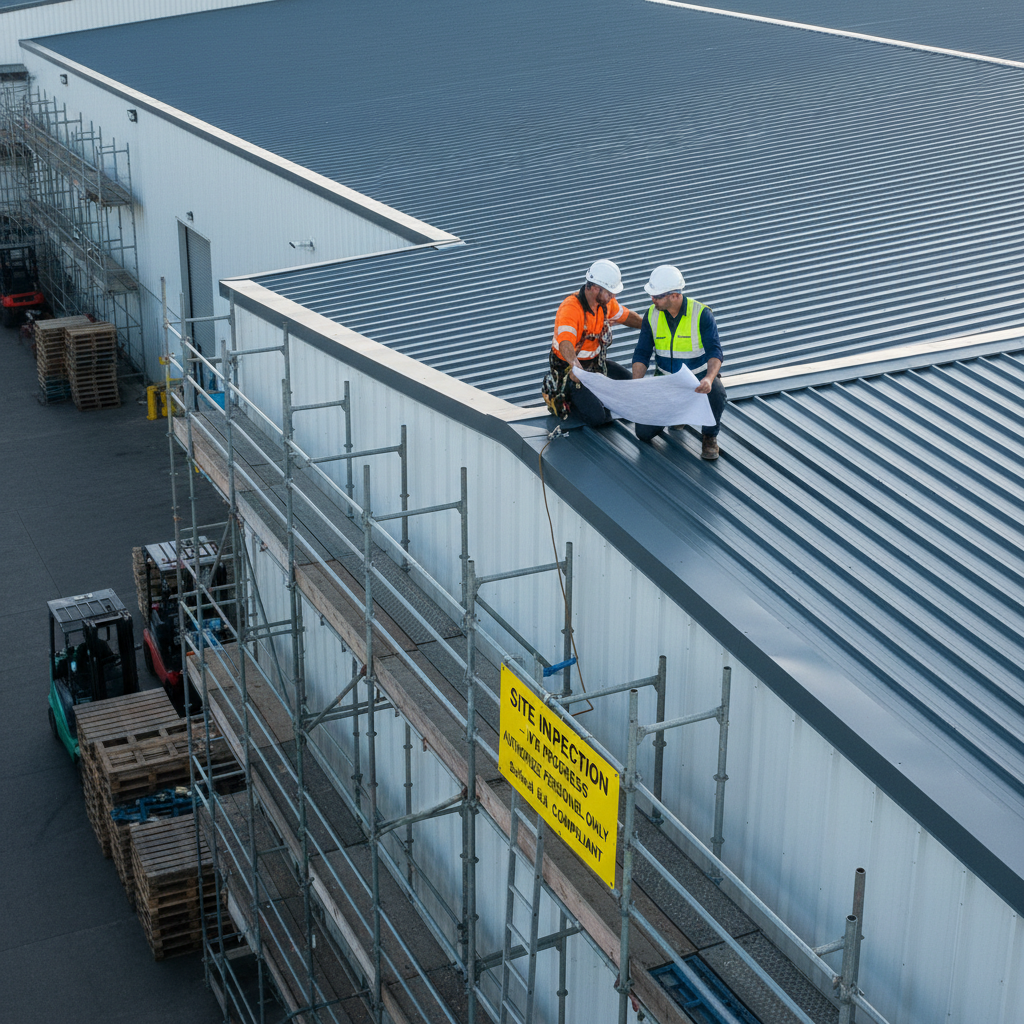
Whether you own a family home, manage a commercial building, or operate an industrial warehouse, your approach to roofing starts with understanding the practical steps, essential FAQs, and how to select a reputable roofing contractor in South Australia. Let’s break down the key considerations, so you can make an informed, budget-smart choice.
First, consider your specific roofing needs. Are you looking at a full roof replacement, a cost-effective restoration, or perhaps converting a tired tile roof to a sleek, modern Colorbond surface? Think about what your property will require not just now, but in the next decade. If your existing roof is generally sound but showing early signs of wear, restoration might save you thousands—our detailed article ‘Is Roof Restoration a Cost-Effective Alternative to Replacement?’ explores when this is the right choice. However, if you face repeated leaks, visible structural issues, or constant repairs, reroofing or a material conversion should be on the table.
Material selection is the foundation of any successful roofing project. Adelaide’s climate—marked by hot, dry summers, cool winters, and the occasional storm—demands robust, energy-efficient solutions. Colorbond steel continues to be South Australia’s popular pick, thanks to its resilience, low maintenance, and broad colour palette. It reflects heat and can significantly reduce your cooling costs, ticking the sustainability box. On the other hand, traditional terracotta or cement tiles exude classic charm and natural insulation, but they tend to be heavier and costlier to maintain over time. For further reading on what each option means for your bottom line, see our guide ‘How Much Does it Cost to Replace a Roof with Colorbond® in 2025?’.
Maintenance and warranty terms should be checked closely before you commit. Ask for documentation that outlines not only the product warranty but also the workmanship guarantee. A new Colorbond roof will usually carry extensive warranties, but what’s equally important is knowing what’s required for ongoing maintenance. Many companies now offer tailored maintenance programs, prolonging the life of your investment and covering roof cleaning, gutter checks, and early detection of issues—all points that bear regular review. We recommend a thorough comparison across reputable providers to avoid unwelcome surprises down the line.
Property owners naturally have key questions in mind. The most common FAQ is: How long does a full roof replacement take? Simple residential re-roofing jobs are often completed in 3–5 days, while larger or more complex projects—think heritage conversions or industrial structures—can require one to two weeks. The timeline is also influenced by weather, site access, and whether structural upgrades are involved. To avoid delays, ask in advance for a step-by-step project plan with clear milestones and contingency arrangements.
Selecting the right contractor can be the make-or-break factor in your roofing experience. It’s vital to work exclusively with Adelaide roofing contractors who are fully licensed, insured, and have a robust track record in your property type. Look for professionals who operate with transparency, providing clear quotes, detailed contracts, and sound advice on regulatory compliance—including council permits and height safety legislation. At Reroof Surgeon, our teams specialise in commercial, industrial, and residential reroofing, combining local knowledge with national-grade materials and safety practices. For independent advice, refer to our resources ‘How to Choose the Best Re-Roofing Contractors in Adelaide’ and ‘How to Read a Roofing Quote (And Spot Red Flags)’.
Financing is another major concern for property owners and business managers. Significant roof upgrades or conversions often necessitate tailored financial solutions beyond standard upfront payment. From green loans to staged payment plans, modern financing options enable clients to protect their assets without disrupting cash flow. Our guide ‘Financing Your Roof Replacement in South Australia: Your Options’ delves into the pros and cons of each available pathway—including government incentives for sustainable upgrades.
By taking a comprehensive, step-by-step approach—considering property needs, reliable materials, transparent contractors, and smart financing—you’ll safeguard your investment and enjoy the peace of mind that comes from partnering with true roofing professionals.
Tools, Calculators, and Additional Resources
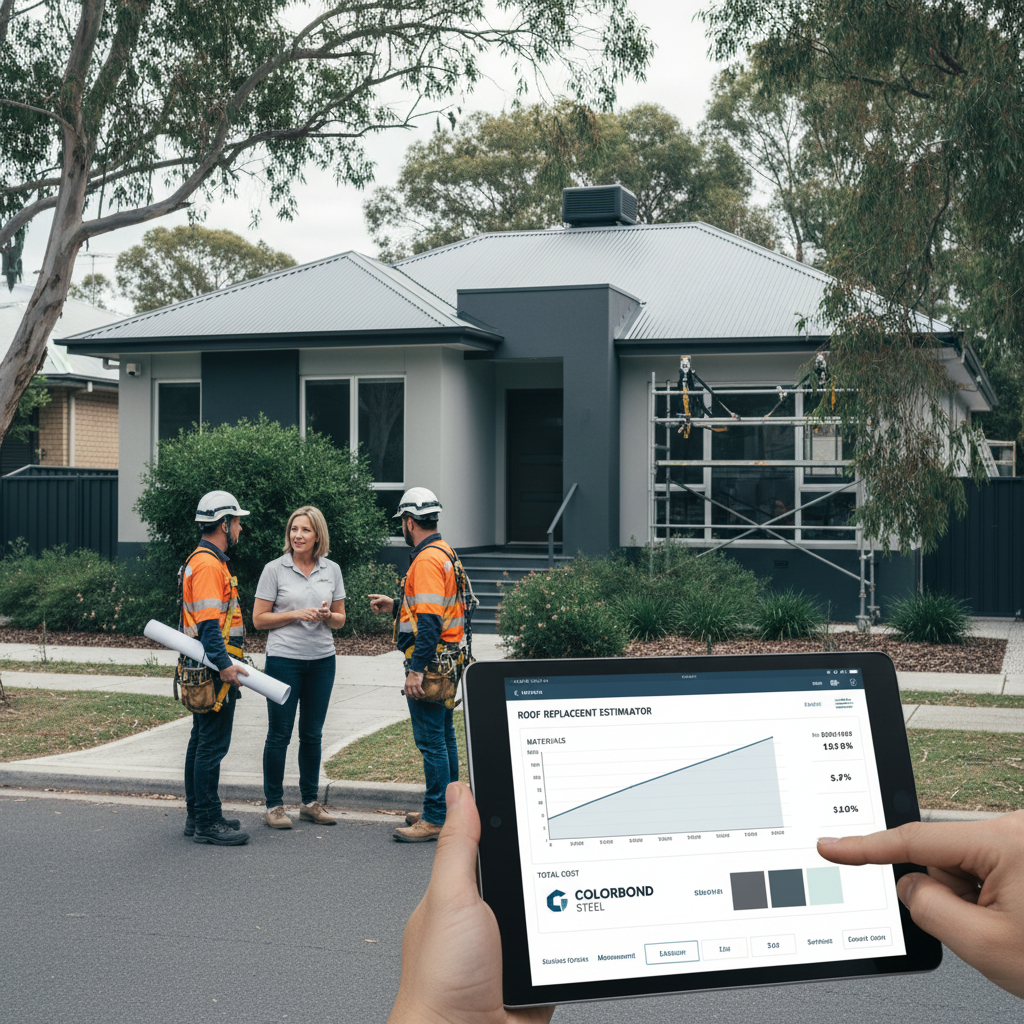
When considering a major investment like roof replacement or reroofing for South Australian properties, having reliable digital tools and resources at your fingertips can make all the difference in budgeting and project planning. Modern interactive cost calculators are invaluable for property owners, project managers, and anyone overseeing renovations. These tools factor in the broad spectrum of variables impacting price—material type (like Colorbond® versus traditional tile), estimated square metreage, roof pitch, access complexities, and even labour costs depending on metropolitan or regional locations. By inputting your project specifics, you receive instant, tailored cost ranges, helping you make more confident financial decisions from the outset.
Visual tools such as charts and detailed cost graphs make these calculators even more powerful. You can easily compare the estimated expense of different roofing materials, from metal and Colorbond® to terracotta tiles or modern composite solutions. Charts also illustrate how changing one variable—say, opting for premium insulation or solar-ready roofing—affects the overall price. This level of transparency enables you to forecast both immediate costs and long-term savings, particularly relevant for those considering energy-efficient upgrades or planning for future property appraisals.
In addition to financial tools, authoritative guidance is critical. Reviewing South Australian building codes ensures your new or reroofed structure complies with all safety standards and council expectations. Compliance isn’t just about following the rules; it impacts insurance eligibility, the longevity of your roof investment, and even the resale value of your property. Many official government and local council websites provide downloadable code documents, checklists, and FAQs to empower property owners through every stage of the reroofing process.
Cluster topics are another must-have resource if you want to dig deeper or are facing specific roofing decisions in Adelaide:
– “How Much Does it Cost to Replace a Roof with Colorbond® in 2025?” offers a focused look at this top material choice, breaking down the latest supply trends, labour averages, and finish options.
– “Understanding Roof Repair Costs in Adelaide” will guide you through when a simple repair might suffice, helping avoid unnecessary complete replacement costs.
– “How to Read a Roofing Quote (And Spot Red Flags)” teaches you to evaluate contractor proposals critically to ensure transparency and avoid hidden fees.
– “5 Key Factors That Influence the Final Price of Your New Roof” summarises what really moves the needle for local reroofing costs, such as shape complexity, location, and the current condition of underlying structures.
– “Is Roof Restoration a Cost-Effective Alternative to Replacement?” compares the pros and cons, timeline, and case studies so you don’t overspend where restoration would suffice.
– “Financing Your Roof Replacement in South Australia: Your Options” details grants, green loans, installment plans, and council support programs for eligible homeowners and businesses.
For those wishing to make the most informed decisions, further reading on innovative roofing materials and trends is highly recommended. Explore sources covering the newest Colorbond® profiles, eco-friendly membrane coatings, or integrated solar tiles. Learn about the role of roof ventilation, insulation options tailored to South Australia’s hot summers, and ways to boost energy efficiency—a critical concern for commercial buildings looking to control utility bills.
Don’t overlook online communities, forums, and case study databases where Adelaide property owners share real-world roofing experiences, before-and-after photos, and honest local contractor reviews. Some platforms also feature Q&A sections, letting you crowdsource answers from seasoned professionals and South Australian property veterans alike.
Leveraging these calculators, official guidelines, cluster articles, and supplementary resources will leave you far better prepared to approach your reroofing project. Instead of feeling overwhelmed by choices and costs, you’ll have the tools and insights to make the right call for your office, factory, or home roof in 2025 and beyond.
Book a professional roof inspection before deciding on your next project. As 2025 approaches, understanding roofing costs, trends, and regulations is your key to getting value from licensed roofers. The Reroof Surgeon offers expert advice, transparent quotes, and dedicated reroofing Adelaide service for every sector. For complete support—residential, commercial, or industrial—consult SA’s leading roofing company and transform your property with confidence.