Understanding Roofing Costs in 2025
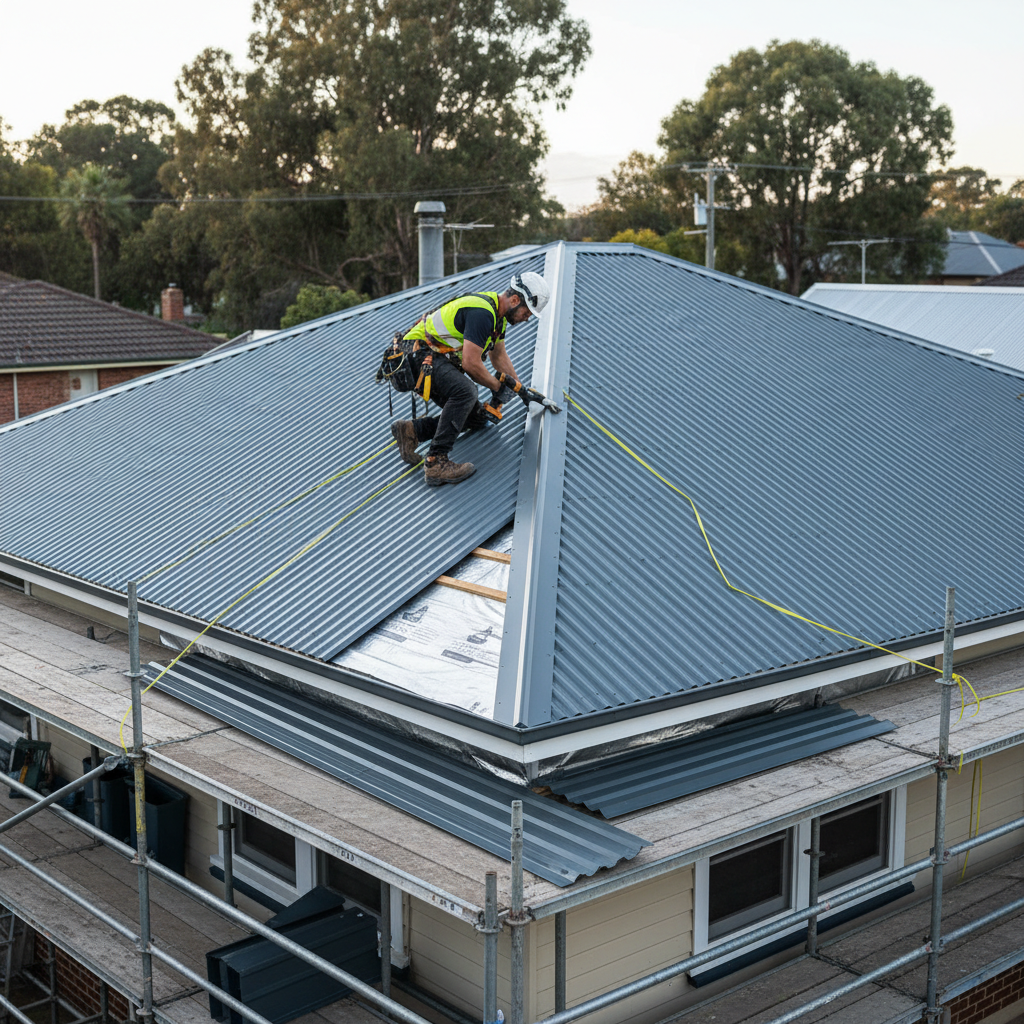
Understanding roofing costs in South Australia for 2025 requires looking beyond a simple per-square-metre rate. Several dynamic factors continually influence the final price you’ll pay to reroof your home, commercial property, or industrial facility. The most significant contributors remain your choice of materials, Installation complexity, and the overall size of the roofing project. However, in 2025, shifting building codes, advanced material options, and higher standards for energy efficiency are also moving the goalposts—impacting both upfront and long-term costs.
First, the type of roofing material you select has a profound effect on your budget and the value you’ll receive. Metal roofing continues to be a standout across South Australia for its versatility and durability, with Colorbond steel dominating the market. Within the Colorbond range, you’ll find premium options such as Colorbond Ultra and Colorbond Stainless—each tailored for coastal or industrial environments where high corrosion resistance is critical. BlueScope Steel also sets industry standards for strength and longevity. These options cost more initially than standard galvanized metal roofing, but their robust engineering and low maintenance profiles typically guarantee decades of service, especially in harsh SA climates. Metal roofing’s speed of installation also means lower labour charges compared to more intricate, labour-heavy installations.
Tile roofing, traditionally made from either concrete or terracotta, is sometimes preferred for its distinctive aesthetics and outstanding thermal mass, which can provide insulation against temperature extremes. Nonetheless, tile roofs are heavier, requiring reinforced structures and leading to higher supplier, transport, and installation costs. The labour involved is more intensive due to the individual placement of tiles, which causes overall installation to take longer—raising price per square metre estimates. Over time, tiled roofs can suffer from storm and hail damage more frequently, creating a recurring maintenance expense that savvy property owners must budget for.
Asphalt roofing is far less common in South Australia than in other parts of Australia or overseas, but it still finds some use on cost-conscious renovations and sheds. While its materials cost less upfront, the relatively short lifespan and susceptibility to UV deterioration can make it a less attractive investment from a whole-of-life perspective compared to metal or modern tile systems.
Colorbond roofing, a mainstay in SA for both new builds and roof replacements, is widely considered the benchmark for premium roofing. It’s engineered to stand up to Adelaide’s searing summers, coastal salt winds, and occasional storms. As a metal roofing solution, it resists corrosion and fading, supports a wide colour palette, and boasts low maintenance demands. Colorbond roofs often outperform both standard metal sheeting and concrete tile in total cost of ownership, especially when factoring in their warranty, lifespan, and value-adding aesthetics.
Newer to the market—but gaining ground fast—are green roofing options. These incorporate advanced insulation materials, energy-efficient finishes, and smart ventilation systems. Insulated Colorbond panels and cool-roof coatings help to cut energy bills, reduce heat islands, and future-proof homes and commercial spaces to meet incoming sustainable building standards. Installing these systems requires additional expertise and sometimes costs more up front, but the return on investment through lower energy bills and improved comfort can be substantial.
Beyond the materials, roofing costs involve numerous essential breakdowns. Labour charges are guided by project size, roof design complexity (think: steep pitches or multi-level structures), and the rigour of Occupational Health and Safety measures, especially on large or industrial sites. Site preparation, structural repairs to rafters or battens, and the removal of old roofing materials (tiles, metal, or asbestos) can add thousands to your final bill. Gutter replacement, new downpipes, and proper disposal of construction waste are often bundled into comprehensive quotes but can be overlooked by those seeking the cheapest rate. Add to this council requirements—permit fees, inspections, and environmental compliance costs—all of which collectively shape your project’s bottom line.
If you want to see how these components translate into real-world numbers, we’ve compiled breakdowns in our cluster posts:
– How Much Does it Cost to Replace a Roof with Colorbond® in 2025?
– Understanding Roof Repair Costs in Adelaide
– 5 Key Factors That Influence the Final Price of Your New Roof
Whether upgrading a family bungalow, an industrial warehouse, or a historic city building, understanding where your roofing dollars go is the first step towards a durable investment.
Factors Influencing Roofing Costs
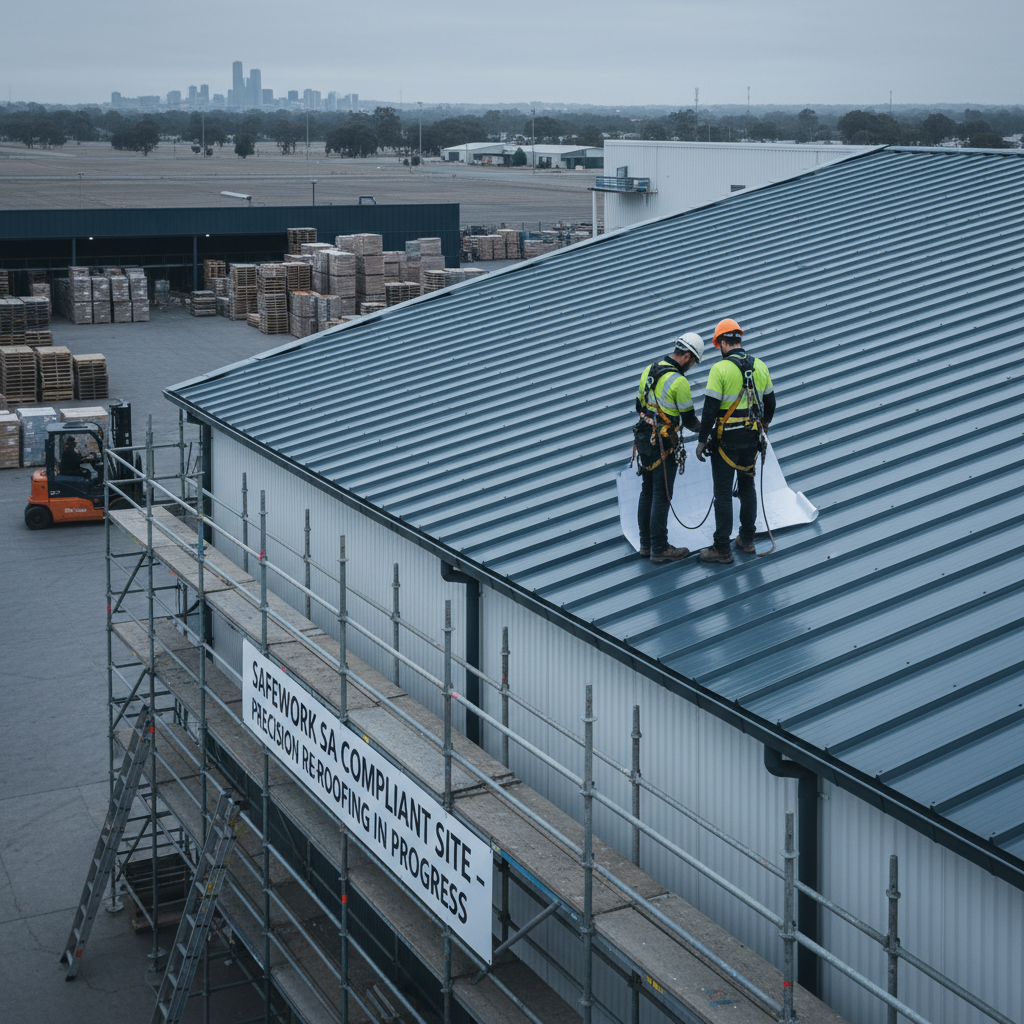
When estimating the cost of a new roof or a complete reroof in South Australia for 2025, it’s crucial to recognize the wide range of factors that influence your final quote. Beware of ballpark figures you may see online—accurate pricing is always highly site-specific, and professional advice is essential. Let’s take a deeper dive into the most significant influences on your roofing costs.
Economic and Market Forces:
The construction industry never exists in a vacuum, and the state of the economy can sharply affect roofing budgets. Fluctuations in material costs, supply chain bottlenecks, and currency shifts may disrupt predicted prices for metal, timber, tiles, and insulation. Suppliers of Colorbond steel maintain price consistency where possible, but any spike in raw materials such as steel and zinc inevitably ripples into the retail price of roofing panels. Inflation, labor shortages, and the overall cost-of-living pressures in 2025 can also push contractor charges higher. Good Adelaide roofers will regularly update their quoting processes and notify clients of any adjustments that reflect shifting costs. This is especially true for enterprises or strata needing industrial and commercial roof replacement, where even a small percentage change has a major budget impact.
Climate and Local Environmental Demands:
South Australia’s unique climate greatly shapes roofing costs, with local geography dictating which products and approaches are suitable. Properties in coastal regions or areas prone to extreme sunlight, salt spray, or high winds may require specialized Colorbond Ultra or stainless steel roofing systems—these provide resilience against corrosion and bushfire, but come at a premium. The threat of bushfires in peri-urban areas prompts stricter adherence to building code upgrades and may mandate installation of ember guards, sarking, and fire-rated flashings. Council approvals almost always tie into site inspections and compliance with the latest Australian Standards, adding both a regulatory and administrative layer to your project.
Property and Project Specifications:
Every roof is different, and your specific property characteristics—like roof size, design complexity, height, and pitch—have a direct bearing on cost. Larger, more complex roofs with multiple valleys, hips, penetrations (such as skylights, solar panels, or vents) and steep pitches increase material needs and labor time, often requiring additional safety harnessing or even scaffolding. For commercial and industrial buildings, access becomes a major logistical concern: working in tight urban blocks, scheduling shutdowns, or orchestrating lifts for large panels can quickly escalate costs for both labor and equipment hire. If your roof conversion involves architectural metal cladding, intricate box gutters, or detailed parapet cappings, expect specialist trades and premium material grades to be necessary accommodations.
Custom Upgrades and Enhancements:
Beyond the basics, today’s most durable and energy-efficient roofs increasingly incorporate upgrades. Sarking (underlay), reflective insulation, double-thickness flashings for gutter valleys, and mechanical ventilation for large warehouses or homes are now popular and, in high-heat regions like Adelaide, sometimes essential. Weather events—like hailstorms or strong winds in the Adelaide Hills and Fleurieu Peninsula—often reveal latent roof weaknesses, triggering extra spend for timber repairs, batten replacement, or insulation rectification. In post-storm situations, the urgency of works, premium on available labor, and the demand for temporary waterproofing can all raise the average project price.
Compliance and Regulatory Demands:
Ensuring your new roof aligns with the latest performance requirements means factoring in all council permits, insurance documentation, and industry-mandated installation warranties. Licensed reroofing companies must account for safe work method statements (SWMS), site inductions, asbestos removal (in older commercial buildings), and environmentally responsible disposal of old materials. As safety and environmental standards climb in 2025, so do administrative and on-site costs.
Additional Services and Long-Term Value:
Modern reroofing trends see many Adelaide homeowners and facility managers investing in bundled services—like gutter cleaning, stormwater upgrades, or solar panel mounting brackets. While these may add to your upfront investment, they can reduce future maintenance costs and extend the effective life of your new roof, boosting total return on investment. Particularly for larger properties or those with significant capital value, these enhancements result in a more robust, compliant, and sustainable roofing asset.
By understanding and preparing for these cost influences, you can engage more confidently with accredited roofers—ensuring your quote is comprehensive, transparent, and tailored to both your property and the unique challenges of reroofing in South Australia in 2025.
Comparative Analysis: Pricing Trends and Material Choices
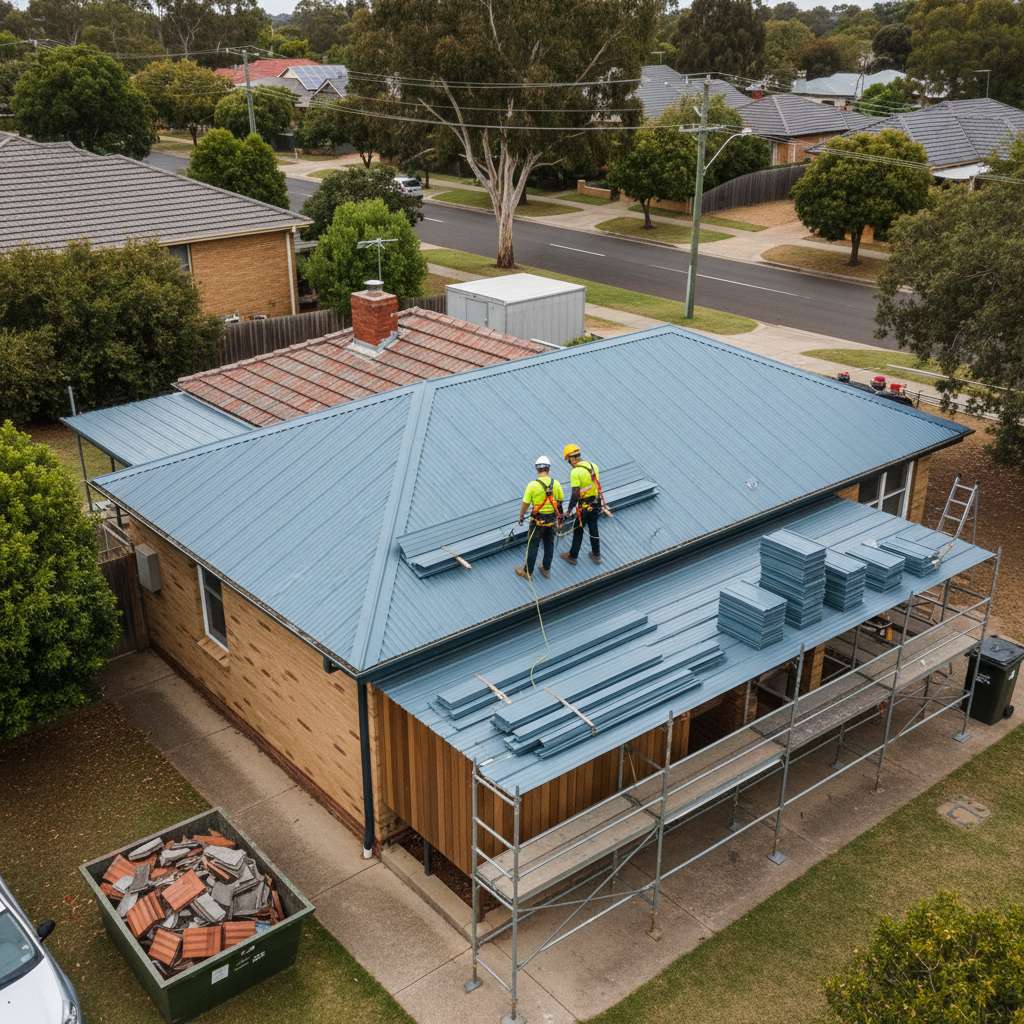
When examining the trajectory of roofing trends and material pricing from 2020 through 2024, it’s clear that costs associated with roof replacement projects—especially in South Australia—have consistently climbed. Several key market drivers have influenced this increase, including inflation impacting both materials and labor costs, regulatory shifts in building codes, and the growing demand for high-performance materials like Colorbond. Heading into 2025, these factors are only expected to intensify. As a result, homeowners and commercial property owners must prioritize early planning and informed material selection to avoid budgetary surprises and to future-proof their investment.
One of the major debates in reroofing projects centers on the balance between upfront cost and long-term value—particularly when comparing Colorbond roofing and traditional metal roof replacements to more legacy materials, such as concrete tiles or even asphalt shingles. While Colorbond and premium steel roofing systems command a higher initial price per square meter, their exceptional durability means they require fewer repairs and less maintenance over decades. This resilience is critical for South Australian properties subjected to intense sun, seasonal storms, and the salty air present in coastal regions. Opting for Colorbond or high-grade metal systems also translates to enhanced aesthetic versatility, as they offer a wide range of contemporary colour selections that appeal to both modern residential builds and sleek commercial developments.
Beyond basic durability, property owners in the Adelaide region are increasingly drawn to innovative roofing technologies. Modern Colorbond installations are available with integrated insulation layers and advanced coatings, reflecting heat and significantly improving the building’s thermal efficiency. Newer ventilation technologies, often included with professional roof replacements, help mitigate heat buildup during South Australia’s hot summers and reduce dependence on air conditioning. For renovators and commercial developers alike, these features are more than just a bonus—they can contribute to substantial long-term savings on energy bills and provide better comfort year-round.
Material selection is not just about protection and temperature control—it also plays a role in establishing curb appeal and property value. Architectural trends in 2025 continue to favour clean lines and minimalist finishes, which are best achieved through metal panels or Colorbond sheeting. This shift has made tile to Colorbond conversions popular, especially as they provide a refreshed, modern look and a performance upgrade in one project. For larger or uniquely designed roofs, specialized installation from a licensed roofing company is not just recommended; it’s essential to make the most of your chosen material. Complexities such as multi-level rooflines, dormer windows, or industrial-scale roof areas require expertise to ensure a secure, watertight finish.
It’s also important to factor in the lifecycle costs when budgeting for roof replacement. While Colorbond and steel roofing cost more upfront, their extended lifespan—often 30 to 50 years with minimal maintenance—make them more cost-effective over time compared to options like concrete tile, which may require repairs or replacement sooner. Considerations such as manufacturer’s warranties and the support offered by local Adelaide roofers also play a significant part in maximizing return on investment.
For those seeking more granular data, cluster resources like “How Much Does it Cost to Replace a Roof with Colorbond® in 2025?” offer real-world numbers specific to Adelaide and South Australia, breaking down pricing by roof type, slope, accessibility, and installation complexity. Additionally, exploring guides such as Is Roof Restoration a Cost-Effective Alternative to Replacement? can help property owners weigh whether restoring an existing roof structure might be a feasible or more economical option compared to full replacement—especially for structures with a fundamentally sound substrate.
Ultimately, navigating the evolving world of Adelaide roofing in 2025 means understanding both the architectural trends and the underlying costs. Whether you’re planning a straightforward metal roof upgrade, a complete tile to Colorbond transformation, or reviewing options for a complex industrial property, making an informed material choice is essential for balancing cost, performance, and style. As the market moves toward higher-quality, energy-efficient systems, early research and a strategic approach to your roofing investment are more important than ever.
Planning Your Roofing Project: Budget, Quotes, and Contractors
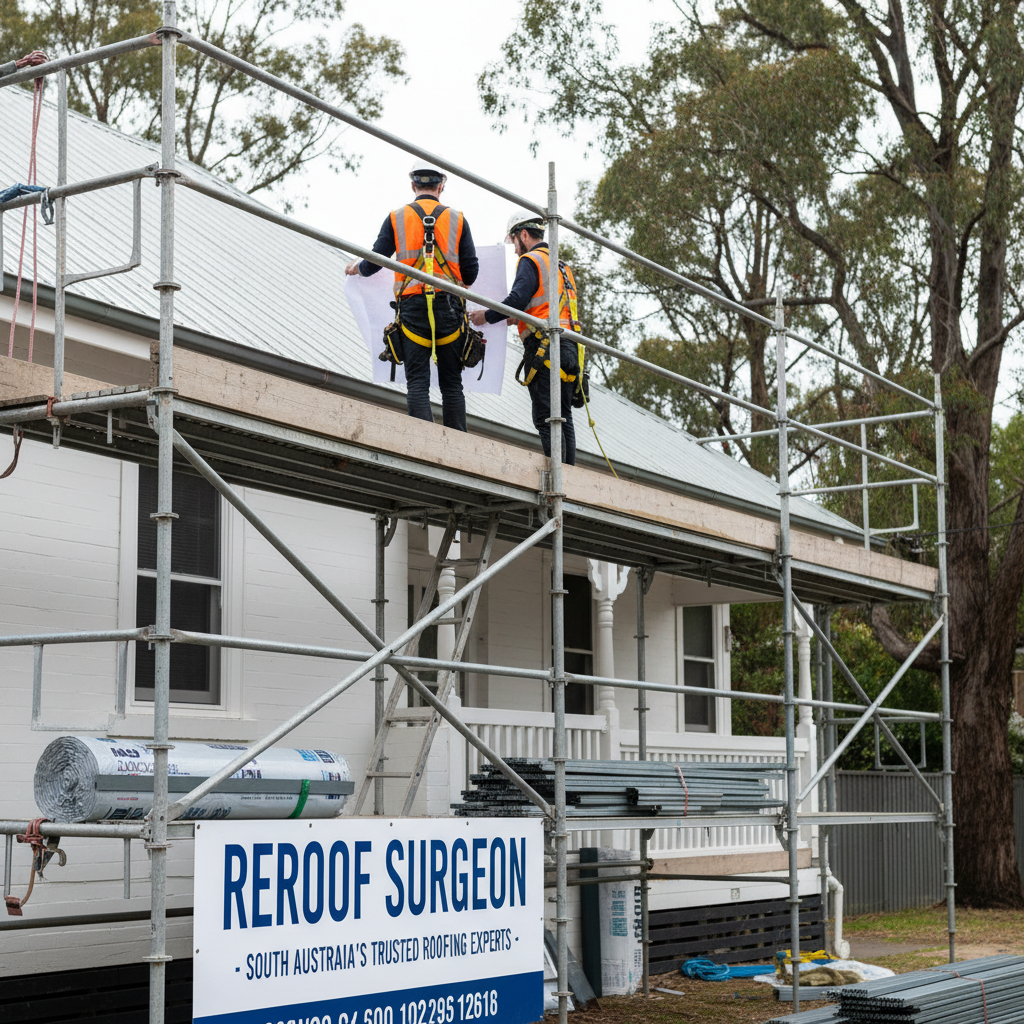
Effective project planning is the cornerstone of any successful roofing project in South Australia. Whether you’re considering a tile to Colorbond roof conversion, full Colorbond roof replacement, or tackling SA industrial roofing, starting with the right plan can save you headaches, delays, and costly mistakes down the line. Here’s how to nail your preparation for a smooth roofing journey in 2025.
Budget Planning: The True Costs of Roofing
Setting a realistic budget is the first non-negotiable step. Roofing projects in Adelaide and throughout South Australia can uncover unexpected issues—think water-damaged battens, rotted fascia boards, or the need to upgrade insulation. Allocating a contingency fund, typically 10-15% of your estimated budget, helps cover such surprises. Don’t overlook seemingly ‘small’ extras: replacement of gutters and downpipes, intricate site preparation, or extra scaffolding needed for steep-pitched roofs. Council permit fees and compliance certificates, both critical in SA, also deserve a place in your budget. If you’re weighing restoration versus a full replacement, factor in the longer-term value: restoration can be cost-effective short-term, but an old damaged metal roof might require full replacement for lasting security and property value.
Smart Quote Evaluation: Breaking Down the Details
Roofing quotes can be deceptively simple—or, in some cases, confusing and incomplete. To protect your investment, always request itemised quotes that detail every component: materials (e.g., Colorbond panels, fixings), labour, insulation, removal of old roofing, site clean-up, and waste disposal. Fixed-scope pricing is ideal; it clarifies what exactly is included and eliminates scope creep. Scrutinise whether the quote covers premium materials versus generic brands, and how many years the quoted warranty extends—longer warranties are a sign of both quality and roofing contractor confidence. Make sure the quote addresses insulation (mandatory under updated South Australian codes) and ventilation systems, which impact comfort and energy efficiency.
If you encounter vague or incomplete quote line items—such as “fix as necessary” or “replace where needed” with no quantities—request clarity before signing anything. Our related guide, “How to Read a Roofing Quote (And Spot Red Flags)”, goes even deeper into this process and is worth a read prior to committing.
Choosing Trusted Roofing Services: Credentials Matter
Never underestimate the value of working with licensed, experienced roofers. In South Australia, all reroofing or replacement projects above a certain value must be managed by licensed contractors to satisfy legal and insurance requirements. Start by asking shortlisted companies for proof of licensing and insurance, including workers’ compensation. Evaluate their recent project portfolio to determine if they have hands-on expertise in your required project type—whether that’s residential Colorbond roof replacement, complex commercial roofing, or industrial metal roof replacement. Ask about their approach to potentially complex tasks such as tile to Colorbond conversions, which require specialist flashings, roof plumbing, and attention to correct load-bearing modifications.
Look for contractors that are transparent about warranty terms and can show you third-party reviews or references. Top-tier companies (like Reroof Surgeon) display evidence of compliance with Australian standards and industry codes, prioritising safety, workmanship, and long-term durability for your new roof.
Project Coordination: Timelines, Communication, and Site Management
Beyond the quote and team selection, successful project execution hinges on coordination and open communication. Roof replacement Adelaide jobs can be weather dependent; effective contractors proactively plan for forecast delays and communicate realistic timelines upfront, helping you adjust occupancy or business operations as needed. A comprehensive project plan will include waste removal scheduling—essential for both residential and industrial conversions due to the volume of debris—and address safety for your family, staff, or customers.
Clear communication—with regular progress updates, photos, or reports during the reroofing process—ensures you stay informed and empowered. The best roofing companies in SA integrate these elements into their service, giving you peace of mind from start to finish.
By covering each of these project planning cornerstones, you set the stage for a stress-free, cost-effective, and professionally executed roofing transformation in 2025—building long-term value into your property every step of the way.
Visual Aids, Comparison Tools, FAQs and Additional Resources
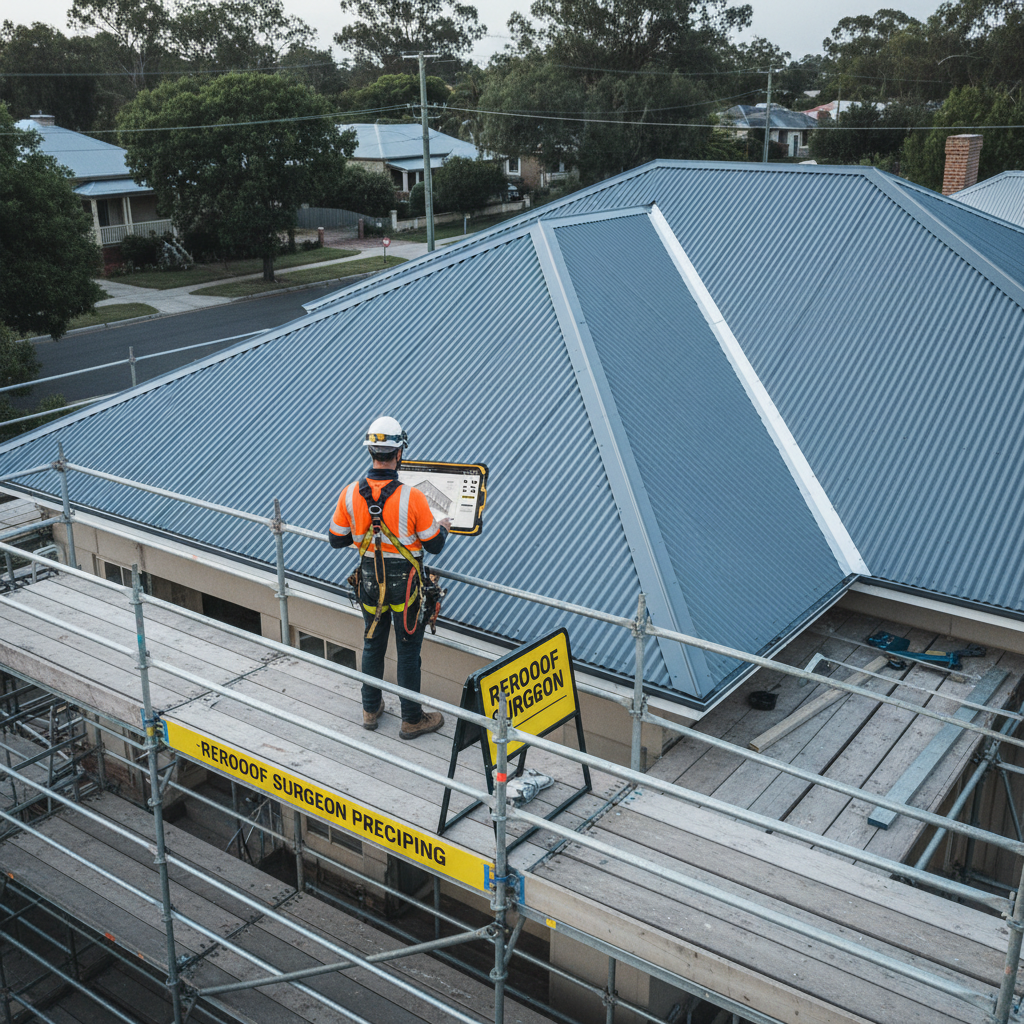
Maximising Clarity: Visual Aids, Interactive Tools, FAQs & Further Resources
To make sense of the many factors impacting your roofing project, we’ve developed a set of powerful visual aids and calculation tools. Our interactive roofing cost calculator puts real data at your fingertips. Designed for South Australian properties, this easy-to-use online tool allows you to enter your property size, roof type, slope, material preferences (tile or Colorbond), and unique considerations like insulation or complex pitch. Instantly, you receive a custom estimate reflecting the current market prices for 2025, accounting for local labor trends and supply rates in Adelaide and wider SA. This gives homeowners, investors, and commercial property managers robust information for comparison and planning—empowering you to set a budget before you speak to a roofer.
Accompanying these calculators are a series of visual guides. Data-packed charts and graphs demystify the range of reroofing expenses. Our timelines show historical and forecasted Colorbond price shifts, so you can see whether it’s better to act now or wait. Ever wondered how labor costs have changed, or whether restoring an old tiled roof is still viable? Our exclusive infographics break down average roof size versus price, and visualize where most of your budget goes—materials, installation, design, and the sometimes-overlooked costs of permits and scaffolding. These are published directly within our Reroof Surgeon blog and are regularly updated so you’re always working with the most accurate information for Adelaide and South Australia projects.
Beyond cost, roofing decisions hinge on seeing the whole picture. That’s why our content cluster includes deep-diving guides designed to answer both specific and broad questions:
• How Much Does it Cost to Replace a Roof with Colorbond® in 2025?—A long-form post analyzing current rates, why prices fluctuate, and hidden variables that could affect your quote.
• Understanding Roof Repair Costs in Adelaide—Breaks down repair versus replace scenarios and which damages can be managed cost-effectively.
• 5 Key Factors that Influence the Final Price of Your New Roof—Practical advice, including access challenges, material lead times, and local demand for skilled labor.
• Is Roof Restoration a Cost-Effective Alternative to Replacement?—Helps you weigh upfront savings against long-term durability and aesthetic outcomes.
• Financing Your Roof Replacement in South Australia: Your Options—Walks you through bank loans, state government incentives, payment plans, and eco-rebates relevant to reroofing or upgrades.
• How to Read a Roofing Quote (And Spot Red Flags)—Learn how to interpret itemized quotes, what each line means, and how to avoid common pitfalls.
Frequently Asked Roofing Questions—Answered
We know even detailed estimates and visuals leave room for questions. Here’s a round-up of FAQs from South Australians planning roofing works in 2025:
What factors are most likely to impact roof replacement costs? The biggest contributors are your chosen materials (Colorbond vs. tiles or luxury metals), roof complexity (steep slope, multiple levels, ornate design), insulation upgrades, roof access, removal of old material, structural repairs, and mandatory compliance with state building codes and insurance requirements. Supply chain variations, particularly in times of high demand or severe weather events, can trigger price adjustments mid-project.
How long does a Colorbond roof typically last? Colorbond roofing is a trusted solution across Adelaide for resilience and lifespan. Properly installed and maintained, you can expect a Colorbond system to deliver 30–50 years of protection. Routine professional inspections, timely repairs, correct rainwater drainage, and cleaning can extend its working life, making it a strong investment for homeowners concerned with longevity and resale value.
When is roof restoration preferable to complete replacement? If your existing roof structure is sound—no serious timber rot, rusted battens, or widespread leaks—restoration may save substantial cost versus full replacement. Restoration is suited for isolated issues like minor tile cracks, faded Colorbond coatings, or localised corrosion. It offers quick aesthetic and functional improvements on a tight budget but won’t resolve underlying structural concerns or severely outdated materials.
What’s required for pre-approval of a roofing project? In South Australia, major roofing works often need local council approval. You’ll need to supply detailed design documents, confirm your builder’s licensing, and ensure all plans are compliant with current building codes. Always check SA council websites for specific roofing permit requirements and expected paperwork. Some projects may also trigger heritage reviews or neighbor consultation.
How can I improve the energy efficiency of my roofing project? Energy-smart additions include insulated Colorbond sheets, upgraded thermal insulation underlays, and integrated ventilation solutions to manage attic heat. These features reduce summer cooling costs and winter heat loss. Your installer can recommend the best products for South Australian conditions and explain eligibility for federal or state sustainability rebates.
For even more advice, check out our linked articles, visual asset library, and free downloadable guides for homeowners and investors. At Reroof Surgeon, we’re committed to transparency and giving you every resource to make a confident and informed roofing decision in 2025.
Get a tailored roofing quote from licensed roofers in South Australia today! Making informed decisions about roof replacement now secures property value for years to come. Compare materials, check the latest pricing, and partner with experienced Adelaide roofers to future-proof your investment. Explore our interactive tools, cluster topic guides, or contact Reroof Surgeon’s re-roofing specialists for a no-obligation consultation. Your next roofing project in 2025 deserves expert, detail-oriented planning.