Understanding Roof Restoration
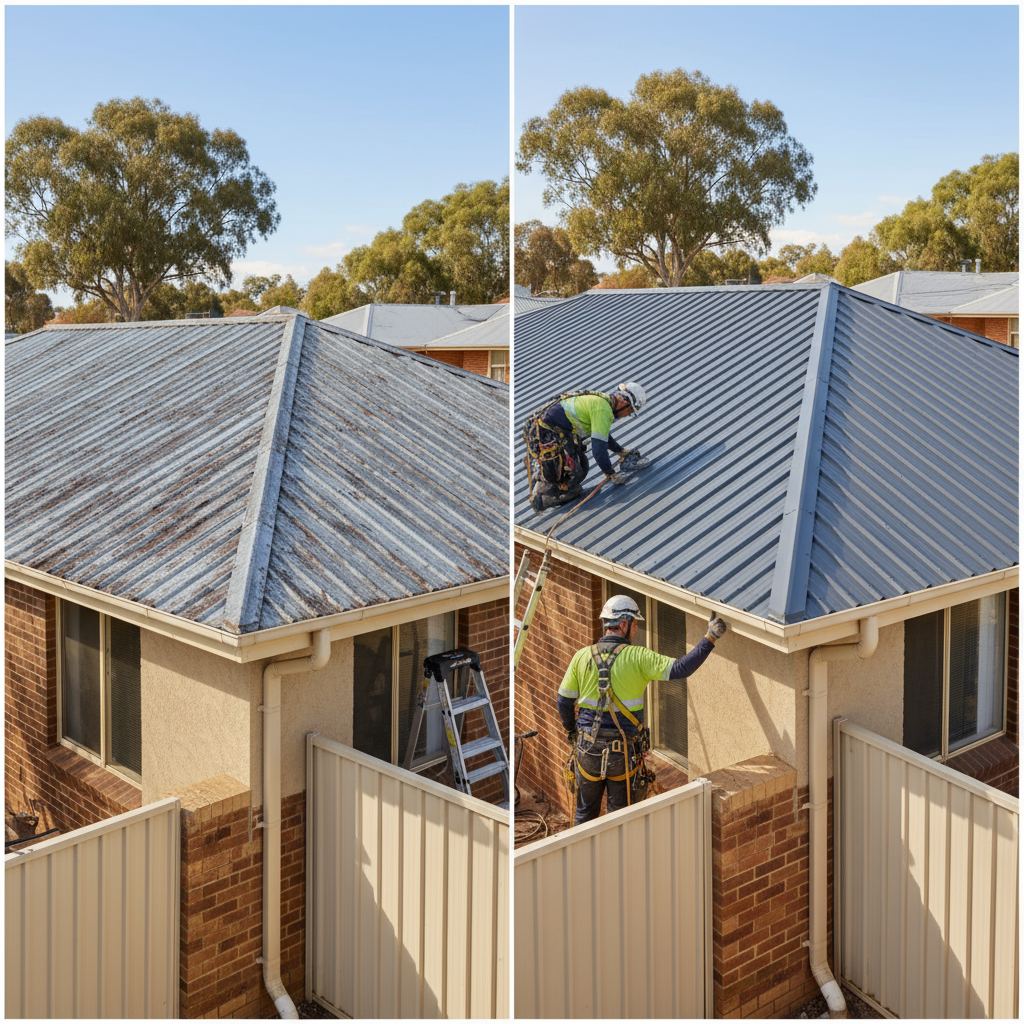
Roof restoration is a specialised process that revives the function and appearance of your roof. It is not a full replacement, but a comprehensive renewal. A roof restoration specialist begins with a thorough roof inspection to assess issues like roof leak, water leakage, or minor structural damage. Repairing a roof may include sealing cracks, replacing damaged roofing materials, and applying protective coatings for weather resistance. Restoration works for many types, whether concrete roof tiles, metal roofing, or clay tile. The process can also include upgrading the moisture barrier and improving energy efficiency with reflective or energy-efficient roofing systems. Commercial roof restoration especially benefits industrial and retail sites, prolonging roof lifespan and preventing further deterioration due to storm damage or South Australian climate conditions. Restoration’s major benefits are its lower cost, minimal disruption, green credentials, and boost to curb appeal. Many property owners find that the cost of roof repairs and restoration is often less than partial replacement or addressing recurring issues. However, roof restoration can’t solve major structural integrity problems—extensive roof leaks, advanced decay, or non-compliance with building codes need deeper intervention. Restoration’s success depends on the type of roofing material and the entire roof’s condition. Some common roofing material types, like metal shingles, respond better than fragile tiles or aged membranes. Regular checkups and timely interventions extend longevity but restoration won’t turn back the clock as effectively as a full replacement.
Exploring Roof Replacement
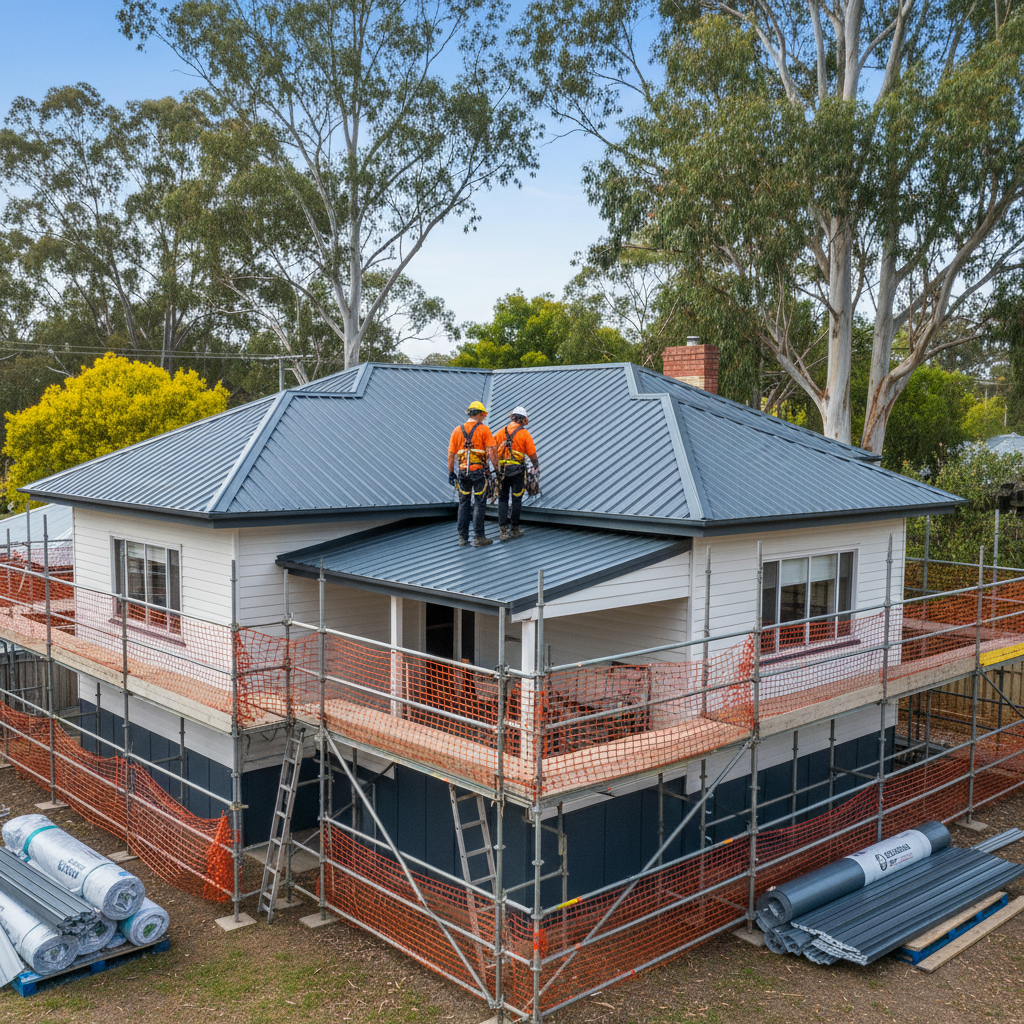
Replacing a roof is a major investment but ensures peace of mind for years ahead. This process involves removing the entire roof down to the structural deck, then installing new roofing systems and moisture barriers. Roof replacement costs more upfront, owing to labor costs, disposal, and premium materials. Still, the new build allows selection of advanced roofing materials—COLORBOND, clay tile, metal shingles—all with updated weatherproofing and energy efficiency. Professional roofing contractors follow building codes strictly for both safety and asset value across commercial and residential jobs. Upgrading also brings the opportunity to improve drainage, integrate insulation, and enhance curb appeal. A new roof’s lifespan exceeds restoration in storm-prone or high exposure regions. Still, cost implications are higher because of labor, skip bins, and sometimes structural adjustment if storm damage has weakened the underlying structure. Waste can be minimised by recycling old metal or tiles. This environmentally conscious approach, coupled with a professional roofing company, reduces the overall carbon impact. Most property owners seek detailed customer reviews when selecting their crew; a reputable expert will offer a cost-benefit analysis tailored to your building’s exact needs and local climate conditions.
Cost Analysis: Restoration vs. Replacement

Evaluating the cost-benefit scenarios for roof restoration and replacement is central to good property management. The cost of roof repairs during restoration can be up to 50% less than the cost of replacement. Labor costs are lower; fewer materials and scaffolding are required for restoration. Still, hidden issues—like unseen water leakage or structural damage—may increase final bills for both options. Partial replacement sometimes provides a middle ground if only a section of the roof is compromised. In South Australian climates, restoration with protective coatings often yields substantial energy savings, as modern energy-efficient roofing reflects heat to reduce cooling loads. Conversely, the long-term investment in a new roof can be justified if the existing system is failing, at the end of its lifecycle, or is repeatedly leaking. Cost-benefit analysis must also weigh ongoing maintenance costs. Replacing a roof can deliver a clean slate, but financially, only makes sense when older systems drain frequent repair budgets. Concrete roof tiles, for instance, may outlast lightweight systems, but their repair costs can rise with age and weather.
Making the Right Decision: Key Considerations and Expert Guidance
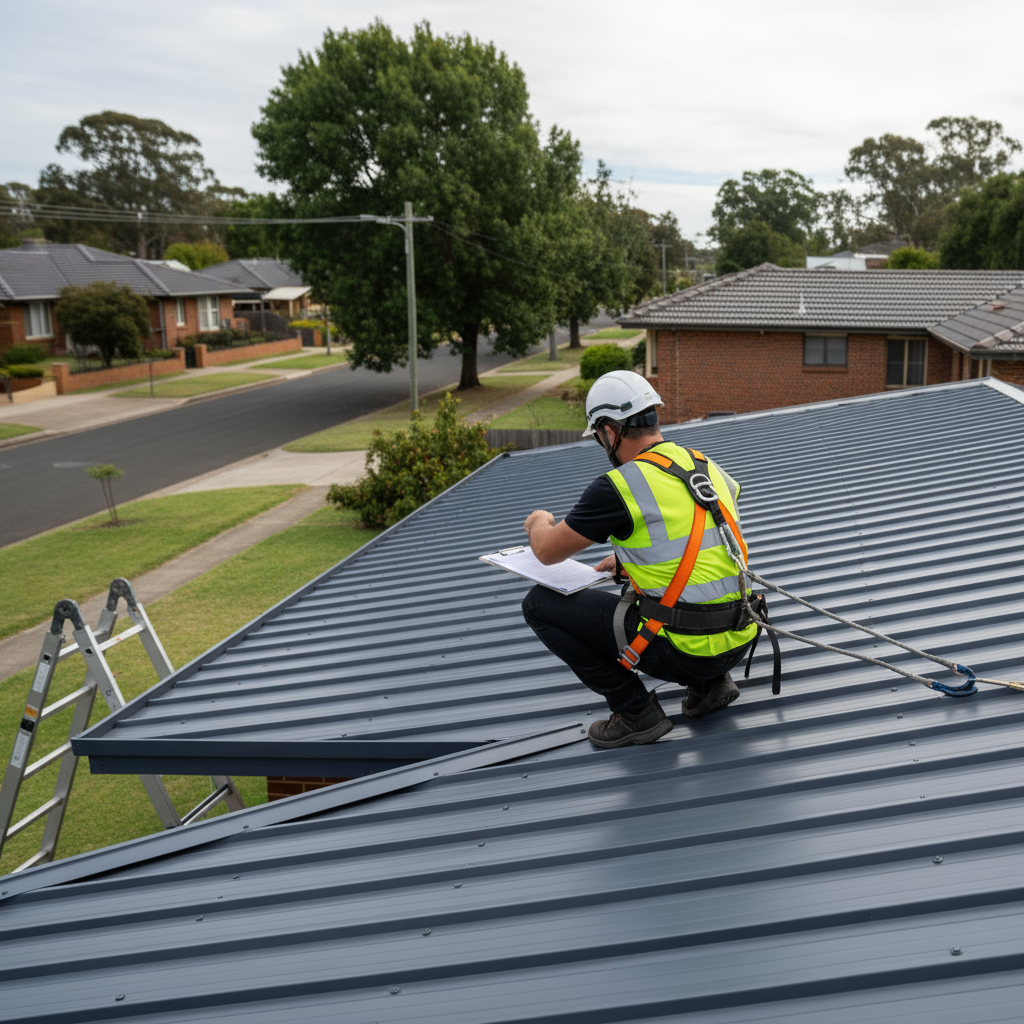
A licensed roofing company like Reroof Surgeon advises starting with a full roof inspection to assess current condition. Signs like persistent roof leak, visible sag, advanced water leakage, or multiple storm damage areas suggest roof replacement may be necessary. If, however, your roof displays minor wear, faded coating, or moderate repairs are needed, restoration offers value with lower cost implications. Material matters—a metal roof prone to rust or clay tile with isolated cracks recommends restoration, while recurring leaks or extensive deterioration in any type of roofing material may force replacement. evaluate local weather and climate conditions because high-wind or salt-exposed regions demand robust solutions. compliance with building codes is mandatory, as is considering insurance needs. customer reviews for local roofing contractors provide insight into workmanship and service reliability. Roofing systems are a long-term investment, so choose providers who discuss your unique cost-benefit scenarios and can show case studies of previous successes. Reroof Surgeon delivers tailored MOFU consultations to determine if your property is a better fit for roof restoration or full replacement. They guide property owners through materials selection and code-compliance, then deliver outcomes that last.
Ready to protect your property? Book an expert roof inspection today.
In conclusion, both roof restoration and replacement offer clear benefits depending on your building’s needs and condition. Take the time to engage a knowledgeable roofing company, review cost implications, and examine local climate or compliance requirements. With expert assessment and clear goals, property owners can make informed choices that protect their investment and ensure energy efficiency, curb appeal, and safety for years to come.