The Complete Guide to Roof Repair & Restoration in South Australia
Roofs are critical for protecting South Australian homes and businesses, facing harsh winter rains and summer heat. Reliable roof repair and restoration extend asset life, improve energy efficiency, and prevent costly water leaks or mould growth. This complete guide demystifies roofing materials, repair processes, restoration options, costs, regulations, and how to select trusted contractors. It draws on local expertise, addressing challenges unique to Adelaide and South Australian climate. Explore case studies, visual resources, and linked articles to empower your roofing decisions with code-compliant confidence and long-term value. Use this comprehensive article as your starting point for every roofing project, big or small.
Table of Contents
- Understanding Roof Types and Common Issues
- Detailed Guide to Roof Repair and Maintenance
- Comprehensive Roof Restoration Techniques
- Understanding Local Regulations and Roof Replacement Options
- Selecting and Working With Contractors: Real-World Insights & Next Steps
Understanding Roof Types and Common Issues
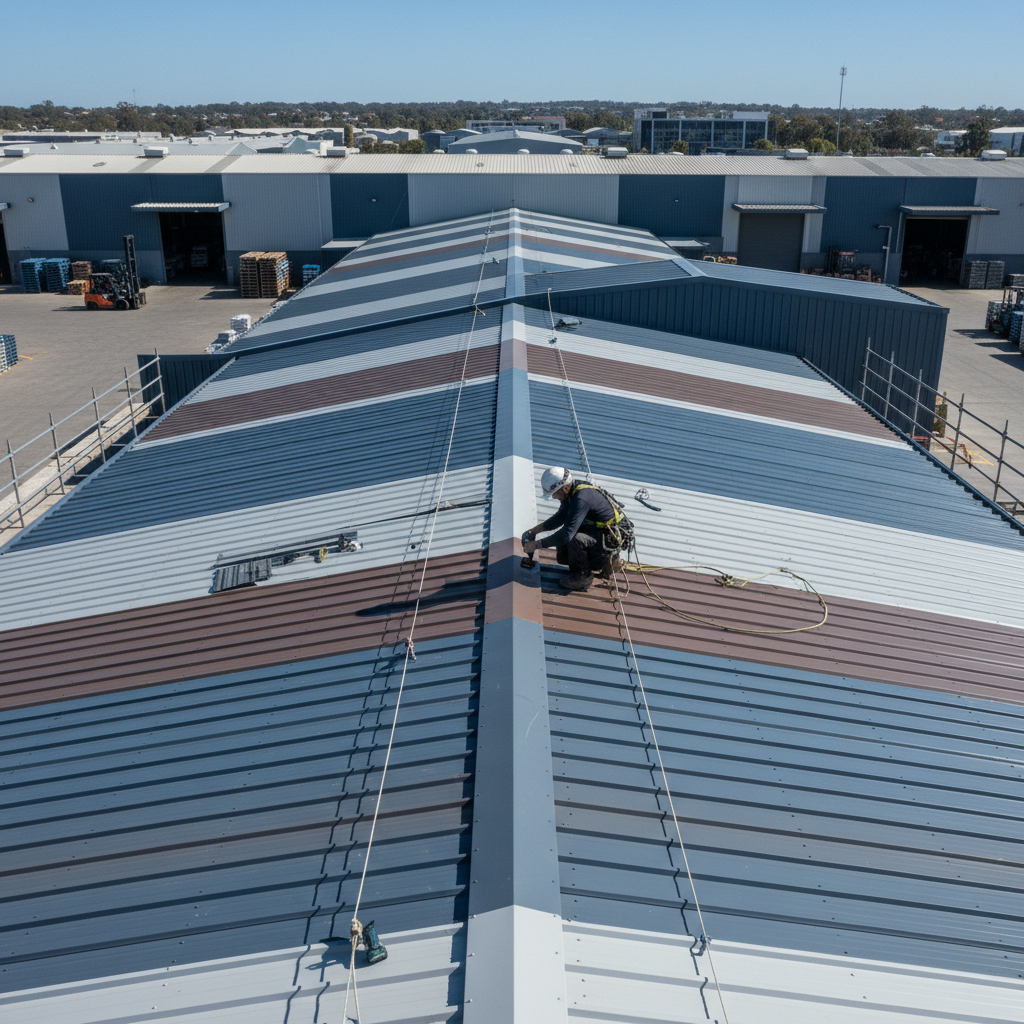
South Australia’s unique blend of weather conditions—scorching summer heat, coastal winds, and chilly, wet winters—creates challenges for every type of roofing system. Understanding the main roof types and their common issues will help you maintain your home or business and avoid unwelcome costs or safety risks down the line.
The four most prominent roofing materials found in South Australia are metal (especially Colorbond), concrete and terracotta tiles, slate, and materials used in heritage homes, such as corrugated iron or even asbestos in older buildings.
Metal roofs are prized for their resilience against the elements. Colorbond steel is particularly popular in Adelaide and regional SA due to its durability, thermal efficiency, and low maintenance requirements. Modern Colorbond roofs feature a baked-on paint finish that resists peeling and fading, making them less prone to hail, wind, and UV damage. However, even metal roofs aren’t immune over time. Common issues include corrosion at sheet joins, hail dents, rusted or loose fasteners, and degraded roof screws and washers. On very old roofs, the protective coatings can break down, leading to surface rust. Additionally, poorly fitted flashing or aged sealants around roof penetrations (like skylights or vents) often become entry points for water, resulting in leaks or invisible roof damage that worsen after winter rains.
Tiled roofs—typically made of concrete or terracotta—are another mainstay in Adelaide’s suburbs. Concrete tiles offer affordable, robust protection, but the extreme temperature fluctuations can make them brittle over time. Cracked or shifting tiles, broken ridge capping, loose or missing pointing, and blockages from built-up debris in roof valleys are all typical issues. Even a single misplaced or cracked tile can let water seep through, leading to ceiling stains, hidden mould growth, or timber rot in the roof structure. Terracotta tiles, while beautiful and traditional, are porous and may eventually absorb water, increasing the risk of leaks or moss and lichen growth. Regular roof inspection and replacement of cracked or displaced tiles is key to preventing major disturbances.
Slate roofs, common on historical or high-end homes, are valued for their longevity and classic appearance. While they can last for over a century if maintained, slate roofs still have vulnerabilities. Broken or slipped slates, corroded nails (sometimes called ‘nail sickness’), and weathered flashing or capping require attentive upkeep. Damaged slates may go unnoticed for years, as problems are often hidden from the ground.
In heritage properties, roofing materials such as corrugated iron or fibro-cement sheets (sometimes containing asbestos) were widely used until the late 1980s. These roofs need specialised maintenance. Asbestos-cement sheets pose health risks if disturbed, so inspections and repairs should only be carried out by licensed professionals who follow South Australian asbestos regulations. Rust, age-related brittleness, staining, and loose fixings are common findings in these historic roofs.
Across all roof types, the most common issues include water leaks, cracked or worn ridge capping, damaged roof membranes, loose or missing tiles or sheets, structural timber rot, blocked gutters and downpipes, and even collapsed sections where damage has gone unchecked. The consequences of roof leaks go beyond visual annoyance; they can cause hidden water damage, facilitate mould and mildew growth, and weaken roof trusses or ceilings, all of which can compromise your building’s safety and value. Checking for run-off efficiency (making sure gutters and stormwater drains are clear) is as important as inspecting the roofing material itself.
Preventative maintenance remains the best approach, regardless of your roof’s age or style. A regular, proactive roof condition assessment—especially before winter—should include inspecting for cracked tiles, checking for corrosion spots on metal roofs, looking for signs of interior water intrusion, and ensuring that flashing and sealants are in good condition. Don’t overlook the importance of gutter and downpipe cleaning; accumulated leaves or debris easily cause water to back up under the roofing and create leaks.
Professional roofing contractors in South Australia are well-versed in assessing these common issues and advising homeowners on the best repair or restoration strategies based on their roof type, age, and location. Scheduling an annual inspection can help you tackle small problems before they grow, protect the value of your property, and ensure ongoing comfort and safety for years to come.
Detailed Guide to Roof Repair and Maintenance
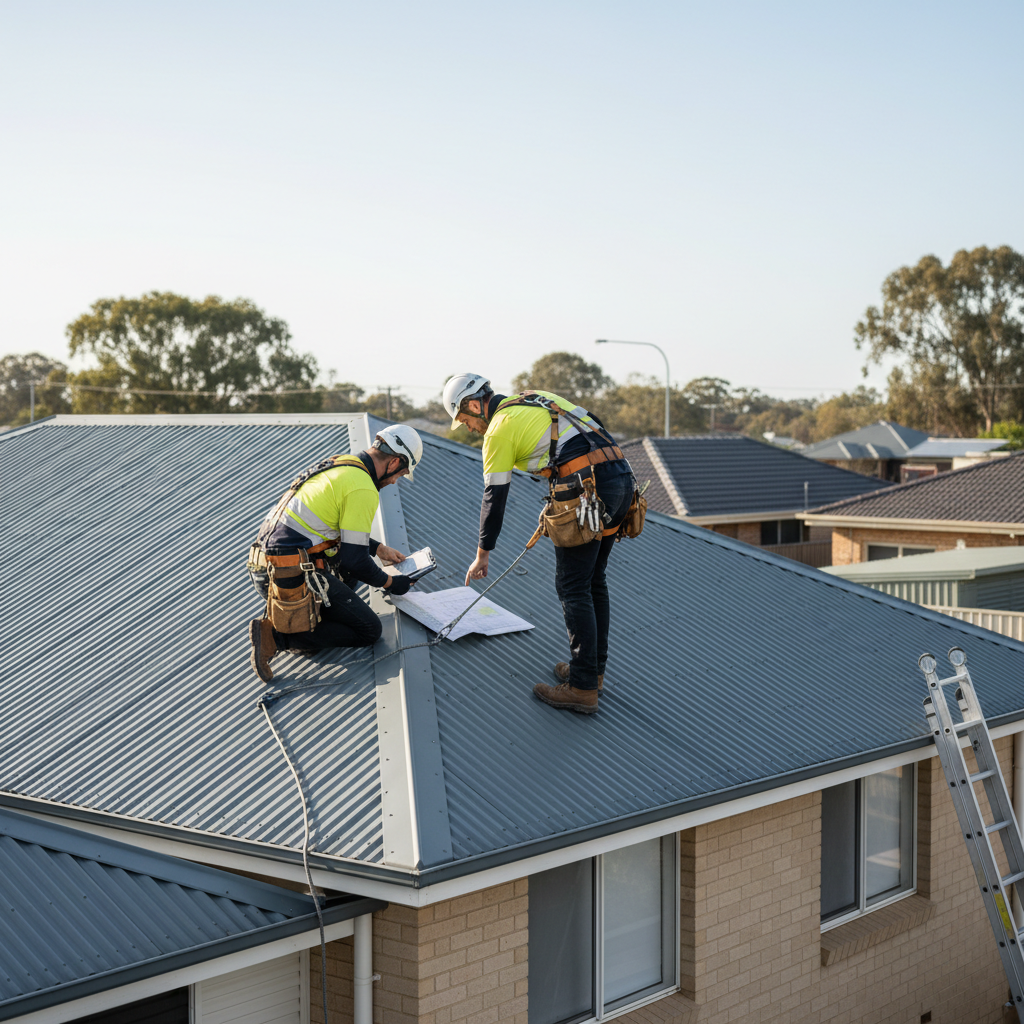
A successful roof repair and maintenance strategy begins with a thorough and systematic roof inspection. In South Australia, seasonal weather variations—heavy winter rains and scorching summer suns—can inflict a range of damages on both tiled and metal roofs. Inspecting for damage requires careful attention to signs of wear, such as cracked or missing tiles, rusted metal sheets, loose ridge capping, clogged gutters, and flashing failures. Using binoculars for a preliminary roof check from the ground can help spot obvious issues, but a comprehensive inspection should ideally be carried out by trained professionals who understand local building codes and safety requirements.
Homeowners frequently attempt DIY repairs as a cost-saving measure, especially for minor tasks like replacing a few broken tiles, patching leaks with roofing cement, unclogging gutters, or trimming overhanging branches. These repairs may appear straightforward, but it’s essential to act with caution. South Australia’s building regulations are strict, and improper fixes can result in leaks, structural weaknesses, insurance issues, or even void warranties. It is also not uncommon for DIY enthusiasts to overlook hidden issues such as deteriorated underlayment, mould growth, or water ingress that has reached the roof cavity.
Professional roofing contractors bring valuable expertise that addresses the full scope of roofing issues. They deploy specialised materials such as high-grade roofing cement, colour-matched metal panels, advanced waterproof membranes, and compatible fixings designed for South Australian conditions. Effective repair work might involve resealing around roof penetrations, fixing or replacing rusted or dented metal sheeting, reticulating or repointing cracked ridge capping, patching small holes, or correcting faulty flashing around skylights, chimneys, and vents. For homes with metal roofs, using proper fasteners and corrosion-resistant coatings is essential to prevent recurring leaks and metal fatigue, especially given Adelaide’s mix of salt-laden winds and occasional hail.
Essential equipment for roof maintenance includes sturdy ladders with stabilising feet, appropriate personal protective equipment (PPE) such as non-slip boots, gloves, hard hats, and harnesses. Additional tools like caulking guns, pressure washers, tile cutters, or paint sprayers may be required for specialised repairs, roof painting, or restoration. Accessing roof painting supplies, pressure cleaning machines, and debris removal tools will further enhance the longevity and appearance of your roof. For those aiming to enhance the roof’s performance, upgrading conventional roof vents or installing solar-powered roof ventilators can significantly boost energy efficiency, control humidity, and combat the risk of mould or condensation inside roof spaces.
Safety should never be underestimated. Roofing work places individuals at risk of falls and serious injury. Adelaide regulations require the use of edge protection, exclusion zones, and, where necessary, scaffold systems. Never access a roof without first evaluating its structural soundness—damaged rafters or battens can present invisible dangers. Always deploy fall arrest gear and never work alone, particularly in blustery or wet weather conditions.
Several common errors undermine well-intentioned roof repair efforts. Using the wrong or substandard fasteners can result in panels or tiles coming loose in high winds. Overlooking thorough gutter cleaning and downpipe maintenance may cause water to back up and force its way under roofing materials or into wall cavities. Skipping regular professional roof condition assessments not only increases long-term repair costs but can also mask compliance issues with insurance policies or local council regulations.
Ultimately, a proactive and informed approach to roof repair and maintenance provides peace of mind while maximising property value. Investing in regular inspections, addressing minor issues promptly, utilising the appropriate materials and safety procedures, and seeking expert advice when needed ensures that your Adelaide home or business remains protected and weatherproof year after year.
Comprehensive Roof Restoration Techniques
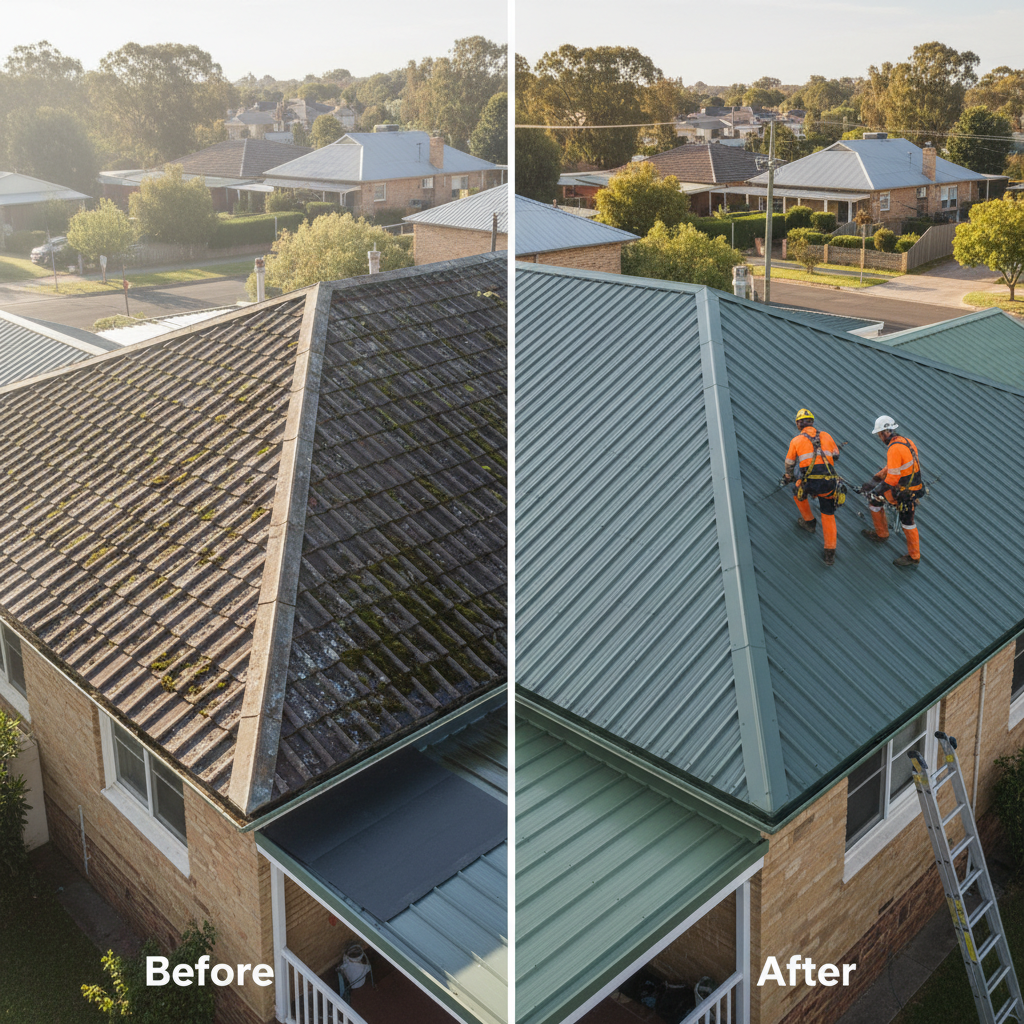
Roof restoration is a far more involved process than typical roof repairs, delivering not just a return on your property investment but also ensuring your home is protected against South Australia’s distinctive climate. Unlike patching a few leaks or replacing a handful of tiles, comprehensive roof restoration is a planned, multi-stage operation targeting the entire roof system. This holistic approach extends your roof’s usable life, enhances street appeal, and can even improve your property’s overall energy performance.
The process begins with a thorough inspection by a qualified roofing specialist. They will assess every element—roof tiles, metal sheets, roof valleys, flashing, gutters, ridge caps, and even the ventilation system. The first active step in most restorations is professional pressure cleaning. This crucial cleaning phase strips away years of moss, lichen, mould, and built-up debris, offering a clean slate and revealing hidden weaknesses or structural faults that could be missed otherwise.
Following cleaning, technicians conduct all essential repairs. For tiled roofs common across Adelaide, this often involves rebedding and repointing ridge caps using flexible pointing compounds that withstand the region’s ever-changing temperatures. Damaged or slipping tiles are replaced, while cracked or porous tiles are sealed for extra waterproofing. Metal roofs, popular due to Colorbond’s prevalence in South Australia, may require patching of rust spots, tightening of loose sheets, and addressing fastener corrosion. Any deteriorated valleys are replaced, and all roof penetrations (chimneys, skylights, solar panels) are checked for leak-proof seals.
Once repairs are finished, the next stage is application of modern primers, sealers, and roof membrane coatings. For tiled roofs, especially those that are older or have become porous, a high-quality roof membrane acts as an impermeable barrier, locking out moisture and minimising future growth of moss or algae. This membrane is designed to expand and contract with temperature swings, which is vital for South Australian conditions. Advanced UV-resistant coatings are then applied—frequently in two double coats—to ensure long-term color retention and superior defence against harsh sun, winter rain, and airborne salt.
Restoration also frequently covers gutter system renewal and upgrades. Old, rusted, or blocked guttering is replaced with new, corrosion-resistant steel or Colorbond profiles that efficiently channel stormwater away from your foundation. Some homeowners take this opportunity to upgrade insulation beneath the roof deck, helping regulate internal temperatures and lowering heating and cooling costs.
Solar roof ventilation systems—fitted as part of a restoration—are gaining popularity in SA. By extracting trapped hot air from attic spaces, these units ease the burden on air-conditioning and prevent condensation build-up, reducing the risk of concealed roof timber rot and mould.
Appearance is upgraded with professional roof painting, especially for Colorbond and tiled roofs. With a broad palette of energy-efficient, reflective colors available, you can harmonise your roof’s finish with your home’s architecture while potentially lowering summertime heat absorption. This suits investment properties as much as family homes, boosting curb appeal and market value.
For older or heritage roofs, restoration is also an opportunity to replace worn ridge caps, restore the original architectural lines, and shore up any structural weaknesses that could lead to serious issues when left unchecked.
The key to a successful roof restoration is choosing experienced and fully licensed local roofing companies. Ask about warranties, restoration cost transparency, and examples of past projects. Look for roofers who customise solutions for tiled, metal, or Colorbond roofs, and those who prioritise compliance with South Australian building codes.
A well-maintained, newly restored roof provides not only years of reliable protection for your family and property but also considerable savings over time. To help keep your roof in top condition, download our easy-to-follow roof maintenance checklist—designed specifically for Adelaide and South Australian conditions—to reduce future restoration needs and boost your roofing investment’s long-term value.
Understanding Local Regulations and Roof Replacement Options
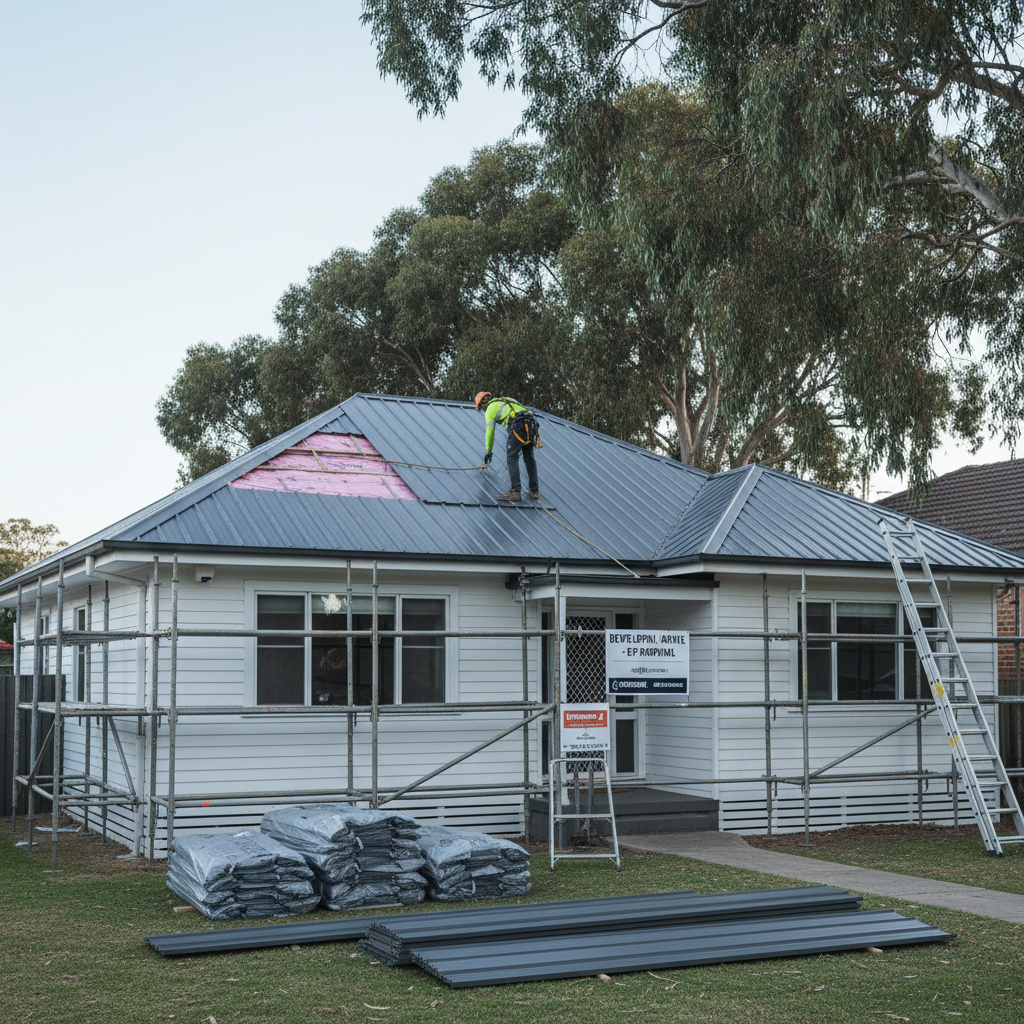
When considering roof repairs or a complete roof replacement in South Australia, it’s essential to navigate both local building regulations and the diverse range of options available. The regulatory environment imposes clear standards designed to ensure the safety, longevity, and compliance of your roofing project. Larger projects such as full roof replacements, removing or handling asbestos-contaminated materials, and any structural changes require council notification, proper building permits, and, often, additional compliance documentation. Skipping these steps can not only delay your project, but may also lead to legal or insurance complications down the line.
A wide spectrum of roofing materials is available, each with specific compliance and suitability for South Australian conditions. Traditional tiled roofs have long been a staple, but in recent years, Colorbond steel roofing has become the preferred choice for many homeowners and businesses across Adelaide and regional SA. Colorbond roofing offers exceptional durability against our corrosive coastal climate and intense summer heat. Its non-combustible surface also provides an added layer of bushfire protection—an important consideration for properties on the fringe of the Adelaide Hills or rural zones. Furthermore, Colorbond comes in numerous colours and profiles, making it highly adaptable for contemporary or heritage homes alike. The popularity of tile-to-Colorbond conversions reflects a trend toward modernisation and enhanced energy efficiency: light-coloured Colorbond can reflect more of the harsh summer sun, reducing cooling costs and internal temperatures.
Industrial and commercial roofing projects introduce further complexity. These often require the expertise of industrial roofing specialists and a deep understanding of code requirements specific to large spans, safety mesh installations, up-to-date fall prevention systems, and the management of hazardous materials. Industrial roofers and commercial roofing contractors in Adelaide must be proficient in managing extensive documentation, worksite safety plans, and quality assurance procedures required by both council and workplace safety authorities. For businesses and property managers, engaging contractors who can demonstrate compliance and robust project management translates to peace of mind and uninterrupted business operations.
Cost is a common concern for both residential and commercial clients. The cost to replace a roof in Adelaide, particularly with premium materials like Colorbond, can vary significantly based on several factors: roof pitch and accessibility, total square meterage, the chosen roofing profile, insulation upgrades, and whether old materials (tiles or asbestos sheets) must be removed and disposed of in compliance with environmental regulations. A transparent roofing quote should clearly separate material costs, labour, safety measures (scaffolding, safety mesh), removal and legal disposal of waste, installation of new materials, and post-installation inspections. Comparing quotes based purely on bottom-line price can be misleading—it’s crucial to factor in the contractor’s reputation, experience, licensure, and their ability to manage permits and compliance documentation.
Selecting the right roofing company is perhaps the most critical step. Look for Adelaide-based roofing contractors who hold all required licenses, carry robust insurance, and can offer a portfolio of past work—ideally featuring local case studies similar to your property type or location. Certified and experienced contractors will not only handle the physical aspects of roofing but will also liaise with council officers, ensure all code requirements are met, and submit the necessary paperwork for works approval. This unified approach protects your investment and ensures that any future property sale or insurance claim is not jeopardised by non-compliant work.
For more targeted advice regarding your situation, check out specialised guides like “Roof Restoration vs. Roof Replacement: Which is Right For You?”, “Identifying and Repairing a damaged metal roof”, and “The Benefits of a Professional Roof Inspection & Maintenance Plan.” These resources will help you weigh repair against replacement, assess when professional intervention is needed, and understand the ongoing benefits of regular maintenance—key factors for maximising the long-term value and performance of your roof in South Australia.
Selecting and Working With Contractors: Real-World Insights & Next Steps
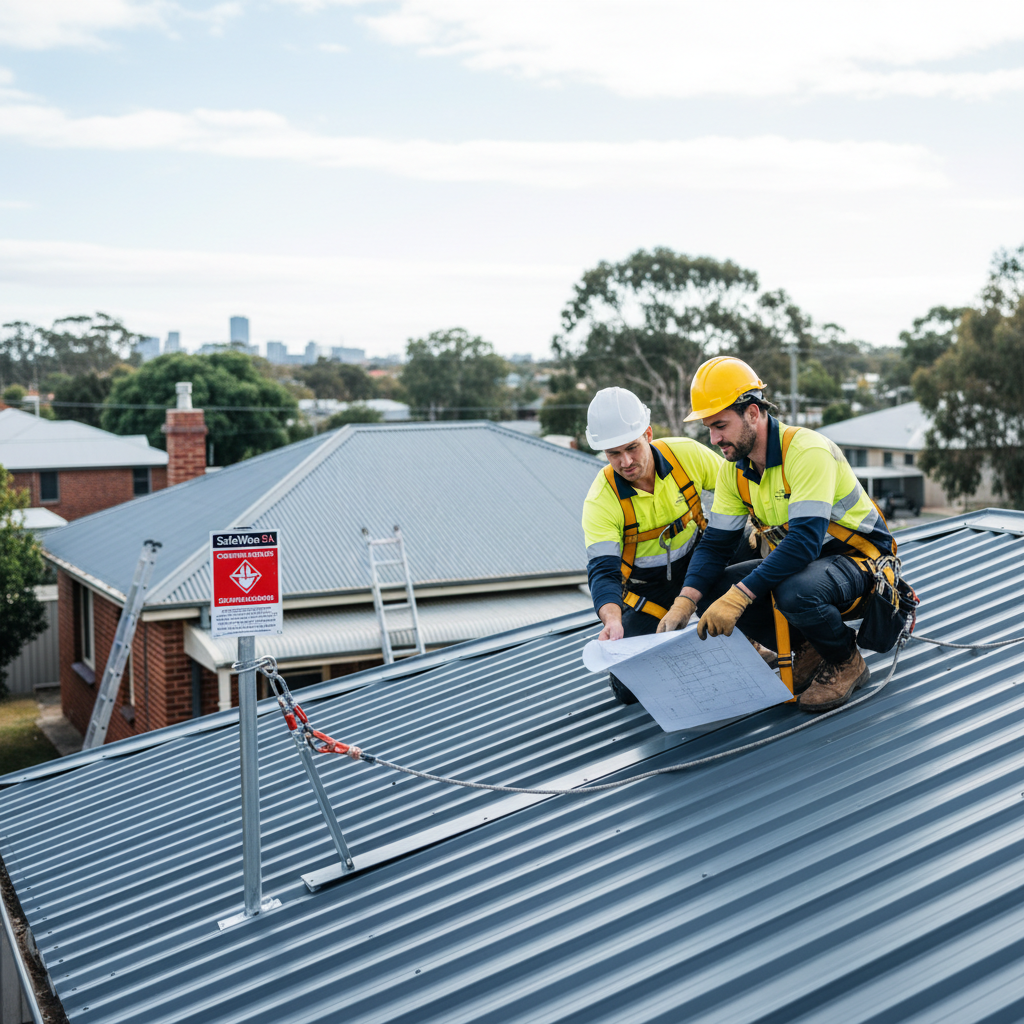
Selecting the right contractor can make or break your roofing project in South Australia, especially with Adelaide’s unique climate demands. The process is more than a quick online search; it’s about assessing credentials, communication, and experience specific to your roofing needs. Begin by ensuring potential contractors are fully licensed, insured, and up-to-date with South Australian roofing codes. This verification helps protect you from liability and confirms a standard of professionalism essential for residential, commercial, or industrial projects.
For homeowners seeking Colorbond roof replacements, new Colorbond steel roofing, or complete re-roofing Adelaide solutions, prioritise contractors who regularly undertake these specific jobs. Ask for detailed project portfolios, including before-and-after photos, client testimonials, and, if possible, references you can speak with directly. Reputable contractors are proud to show their work and substantiate claims with tangible evidence—look for established galleries and reviews rather than a handful of generic snapshots.
When it comes to repairs in industrial or commercial settings, search for contractors with demonstrated expertise in large-scale re-roofing or roof restoration. Specialists in industrial roofing Adelaide or commercial re-roofing Adelaide understand the distinct safety requirements, material complexities, and logistical challenges of these environments. Confirm their experience with similar projects, request evidence of project management processes, and ensure they follow Work, Health & Safety (WHS) regulations meticulously.
Demand transparency from the outset: request detailed, fixed-scope quotes that clearly break down labor, materials—including Colorbond or alternative metal roofs—waste removal, and any applicable warranties. The best contractors will offer explanatory quotes, walking you through line items so you fully understand the roof repair cost, roof restoration cost, or potential overruns associated with roof replacement Adelaide. Pay attention to contract terms regarding timelines, weather contingencies, payment schedules, and aftercare support. Insist on code-compliant, step-by-step descriptions of what each stage involves, so you can track their progress and hold them accountable.
Communication is another crucial factor. Top roofers maintain proactive contact, update you on progress, and flag any issues as they arise. Site management is equally important: enquire about their clean-up protocols and how they minimise disruption to your home or business. A trustworthy roofer should guarantee safe, tidy worksites and proper waste disposal throughout the project.
For added peace of mind, use supplementary resources to become an informed client. Reroof Surgeon, for instance, offers in-depth guides like “Emergency Roof Leak Repair,” “How to Fix a leaking tile roof,” and “The Top 5 Most Common Roof Repair Issues in Adelaide.” These can help you verify the quality and appropriateness of the repairs or restoration being proposed. Access downloadable checklists to guide your conversations with contractors, and use interactive tools—such as our cost calculator—to estimate realistic budgets tailored to Adelaide conditions and materials. Explore detailed galleries showcasing completed projects to visualise your options and build confidence in your choices.
Finally, treat contractor selection as a partnership. The best results stem from collaboration, clear expectations, and mutual respect. By vetting for local expertise, insistence on documentation, and commitment to safety and code compliance, you make an informed decision that safeguards your investment for years—ensuring your property is protected, energy efficient, and ready to withstand Adelaide’s climate extremes.
Book an expert roof assessment to safeguard your property now. Routine roof inspections and restoration ensure longevity, energy savings, and peace of mind. Use this guide, plus our resources and cluster articles, for every stage of your South Australian roofing needs.
Subscribe to our newsletter to get updated and enjoy a 10% voucher
November 17, 2025