Understanding Roof Lifespan: How Long Does Your Roof Material Last?
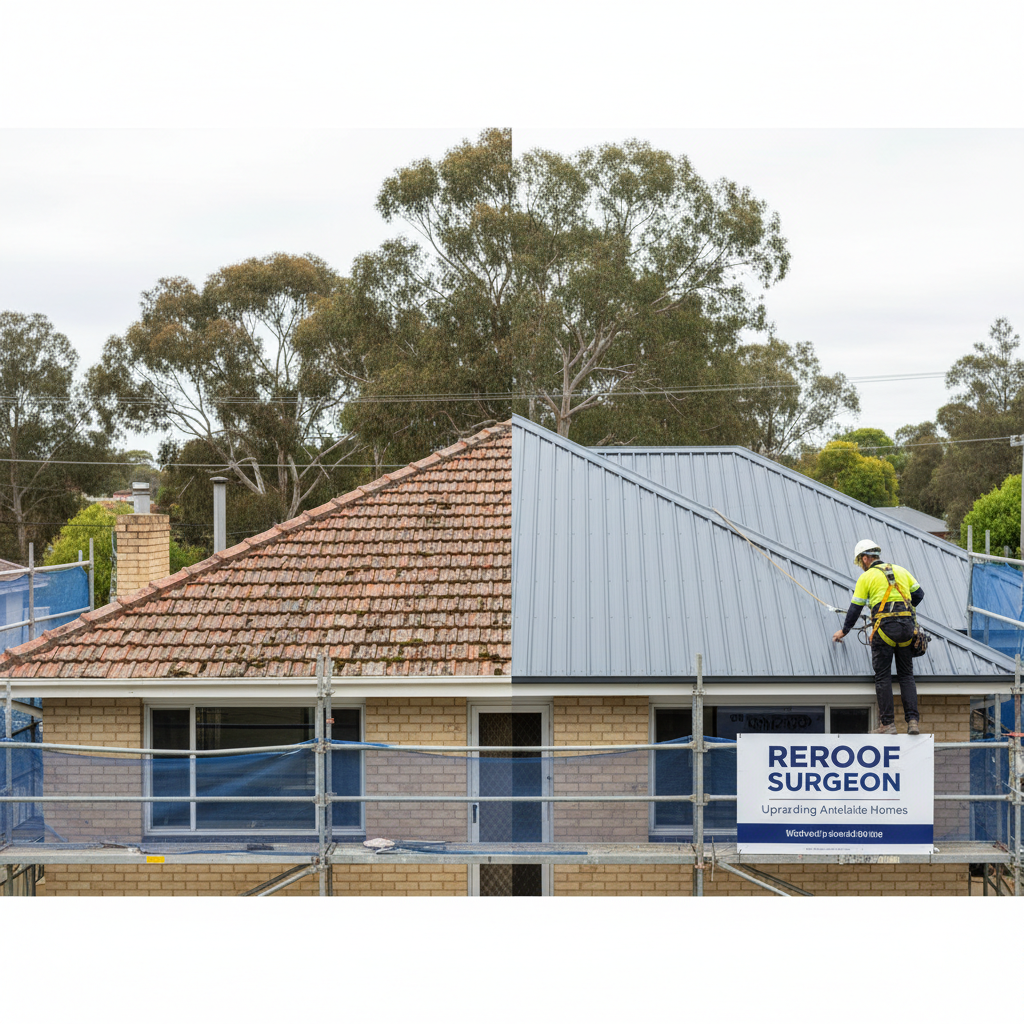
Different roofing materials offer different levels of durability.
- Roofing materials: Asphalt shingles can last 15–30 years; tile roofs may stretch to 40–50 years. Metal roofs, increasingly popular in South Australia, often provide 40+ years of low-maintenance service. Each type shields against moisture damage and temperature extremes, but no roof survives forever.
- Regular roof inspection: Annual professional roof inspections by a roofing contractor can catch roof leaks, ventilation issues, and suspect roofing boards before they spiral into costly problems. Key spots—including roof valleys, gutters, and flashings—should be checked for granule loss, gutter system clogs, and hidden water intrusion.
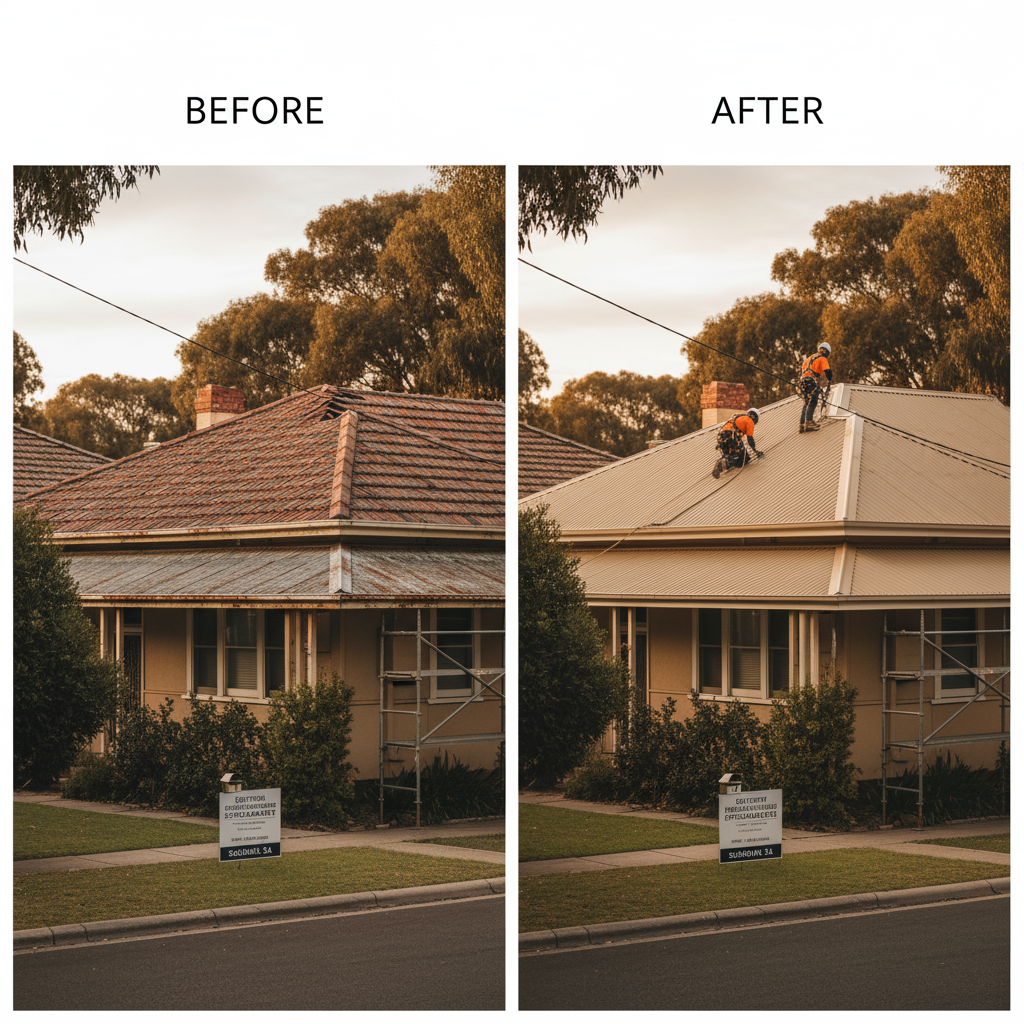
Upgrades, like switching from a tile roof to a COLORBOND® metal structure, can help extend the usable life of your roof deck, and our Reroof Surgeon teams deliver these solutions with precision and compliance on every project.
7 Signs You Need Roof Replacement—Not Just a Small Fix
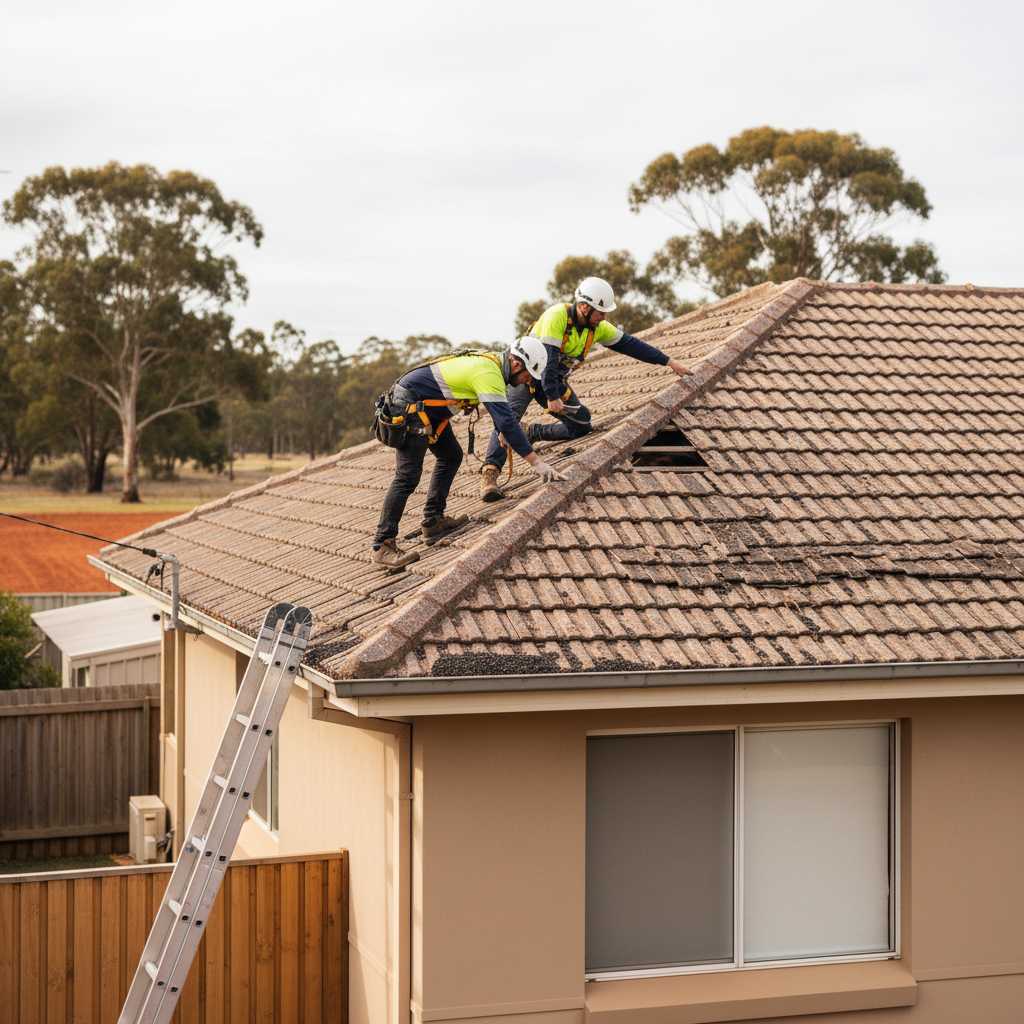
If you’re monitoring your property for roofing company signs, a bunch of roofer signs can surface. Here are the 7 clearest indicators your entire roof might need replacing:
-
Old Age:
If your current roof is approaching its expected lifespan or you have difficulty remembering when it was last replaced (the memory of time fades), it’s time to assess its condition. Older, weathered shingles, boards, or tiles suffer from moisture damage and are more likely to fail during a storm event or wind storm.
-
Extensive shingle damage:
Look for curling, missing, or cracked roof shingles on a shingle roof. Granule accumulation in gutters can signal the protective layer is breaking down. Damaged shingles leave the roof covering vulnerable to water intrusion, which can lead to drywall with water damage inside.
-
Widespread leaks and water damage:
Multiple leaks, especially after a major storm damage event, are a red flag. If you notice ceiling stains, musty odors, or visible mold, you’re likely dealing with potential water damage or even structural damage. This can rapidly rot the roof deck and roof boards.
-
Sagging roof deck:
A visible dip or sag in the roof is usually caused by long-term moisture problems affecting the roof deck or even supporting structure. Don’t ignore signs of softness inside the attic or visible sag on the exterior.
-
High energy costs:
When a roof fails and has ventilation issues, it can overload heating and cooling, raising yearly insurance premium and power bills. Ensuring a secure, well-insulated roof reduces these costs long-term.
-
Daylight through roof boards:
If you see sunlight peeking through in the attic, it indicates severe weakness or holes. This is a critical sign of roof failure demanding urgent, professional action.
-
Granule accumulation in gutters:
Granules from shingles accumulate in gutters when shingles degrade. Gutter damage and shingle granule piles are warning signals the roof’s protective ability is failing, putting your house and even neighbors’ houses at risk during severe weather.
Spotting even a few of these signals? It’s time to consult with professional roofers.
Repair vs. Replacement: Which Option is Right for Your Roof?
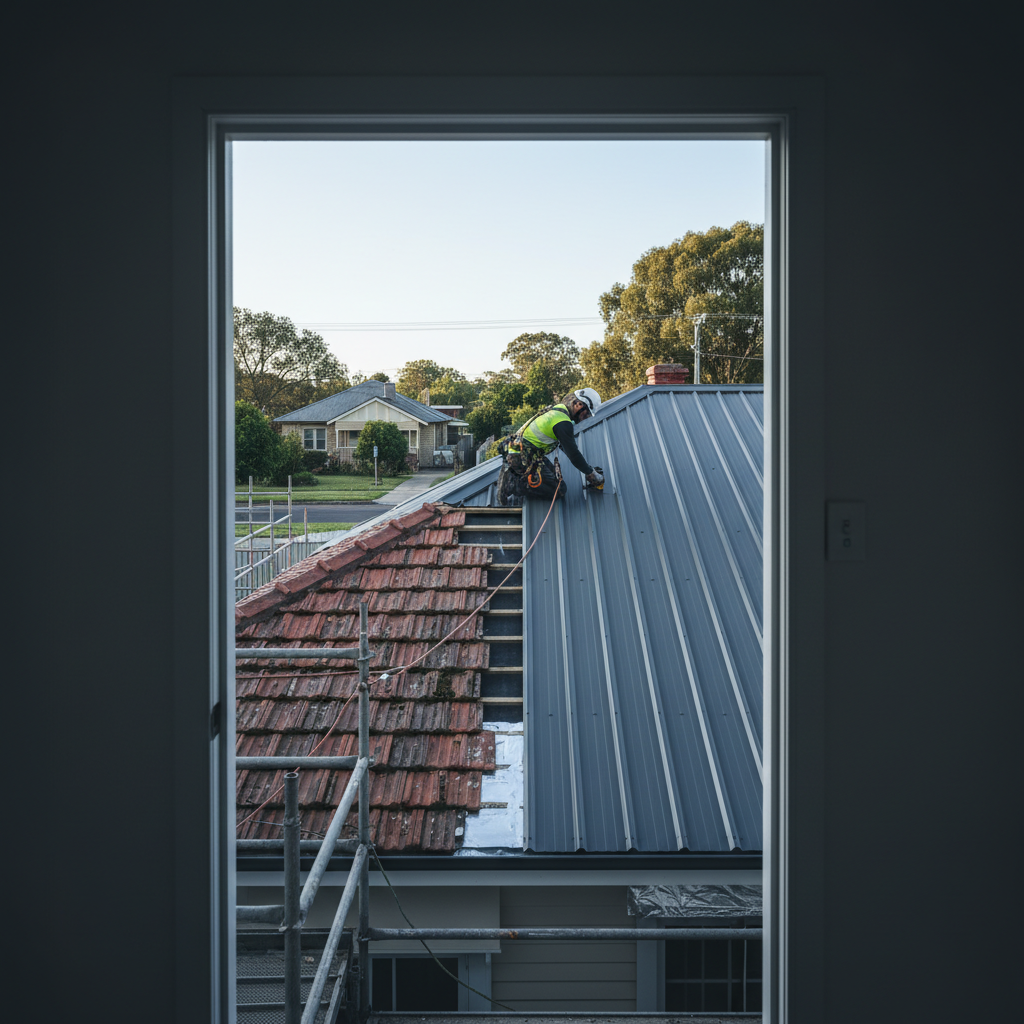
The decision to fix a leaking tile roof with minor repairs or opt for a full replacement hinges on several factors:
• Repair: Suitable when roof damage is isolated, roofing company file shows recent installation, or only a few shingles or tiles are compromised. Fast fixes might follow a minor wind storm or localised moisture damage. Repairs are also an option if permitted by your homeowners insurance or building permit, but they’re often short-term solutions.
• Replacement: Makes sense when there’s widespread water intrusion, chronic gutter system failures, visible sagging, storm damage affecting the metal structure, or repeated insurance companies’ claims on your file. Replacing the entire roof ensures long-term value, safety, and peace of mind—especially with modern COLORBOND® solutions.
Insurers often favour total roof replacement when the risk of ongoing damage would otherwise increase insurance premiums. For commercial and strata buildings, a new roof can also cut down on maintenance, secures the building’s structural integrity, and protects property value.
The Role of Roofing Contractors: Why Expert Assessment Matters
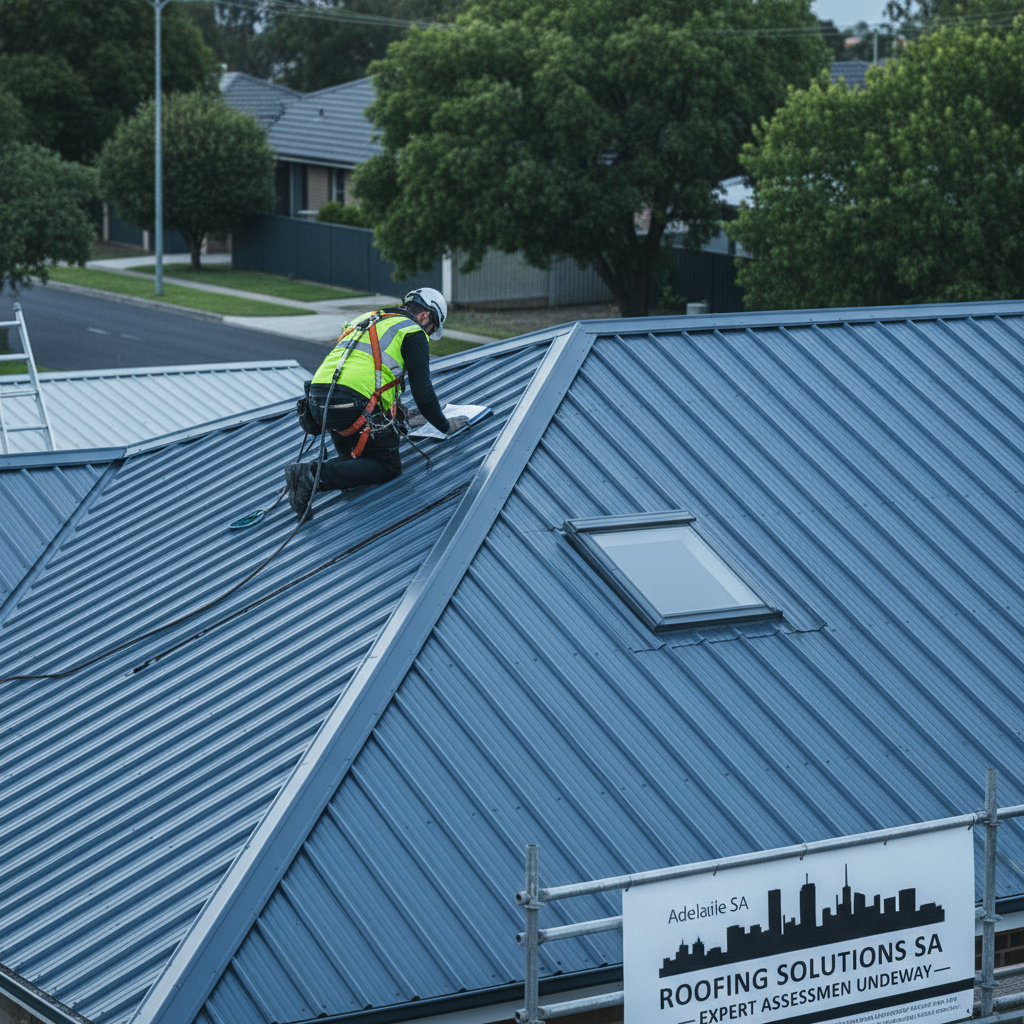
You might spot a few issues from the ground, but a professional assessment is critical for understanding the true extent of damage.
First, professional roofers know how to assess complex roofing material systems, including both tile and metal roofs, and identify underlying problems like structural damage, potential water damage, or hidden trouble in roof valleys. Second, choosing a reputable roofing contractor is vital; seek out roofing contractors with a proven track record and verifiable references. Pay attention to their radar of roofers—trades who understand local building requirements in South Australia and can supply a transparent roofing company file. Finally, working with insurance companies is simpler with the Reroof Surgeon’s team, as we regularly supply the required documentation for insurance claims and help homeowners navigate discussions about insurance premiums and repairs versus full replacement.
If you’re seeing multiple warning signs, scheduling a professional inspection can clarify your options, save time and money, and ensure building permit compliance for any re-roofing project.
Financial Considerations: Cost, Value, and Future Savings
Many homeowners hesitate at the mention of replacement due to upfront costs. However: