Overview of Roofing Materials
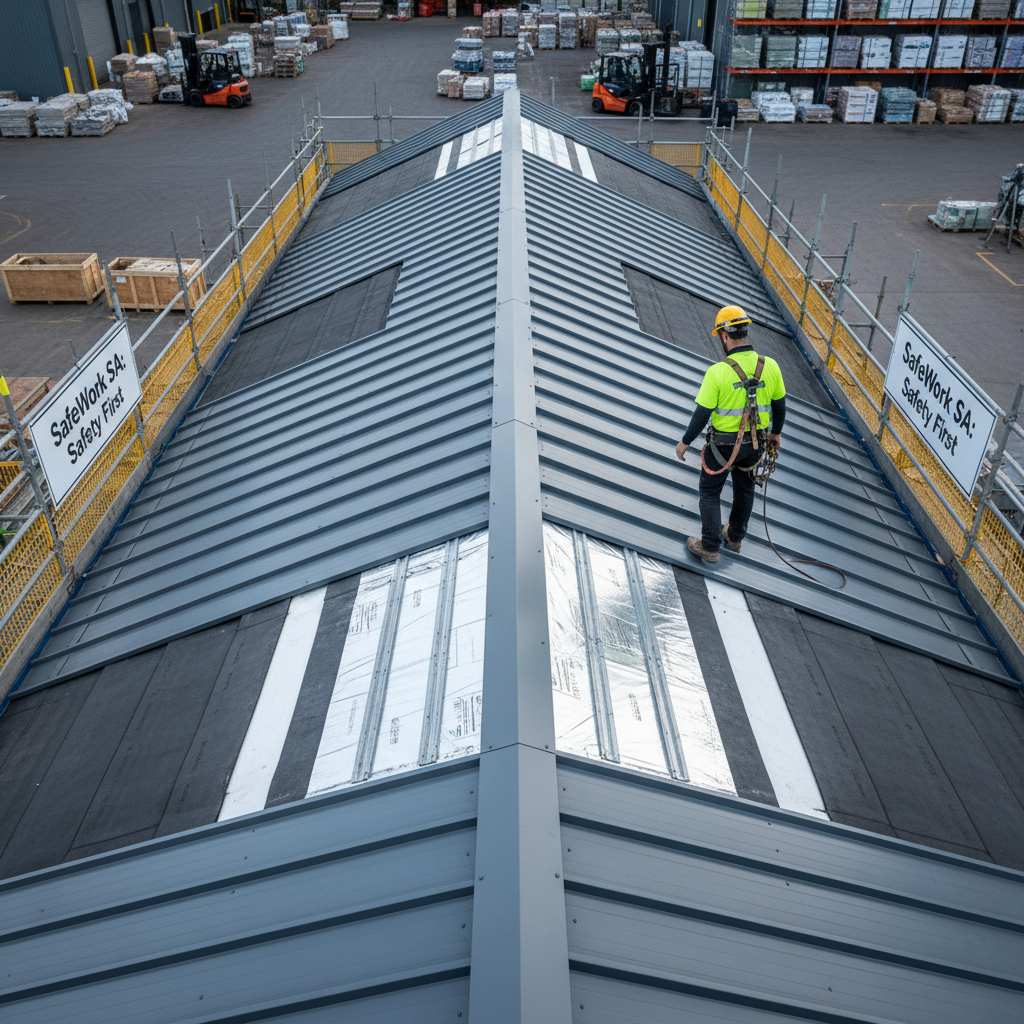
Commercial roofing relies on a wide range of roofing material types. Thermoplastic Roof Membranes like thermoplastic polyolefin (TPO) and Thermoset Roof Membranes such as EPDM rubber (ethylene propylene diene thermopolymer) are leading solutions. Metal roofs, including copper roofs, are favoured for industrial roofing due to longevity and sustainability. Polycarbonate roofing and polyurethane foam solutions (PUF Insulated Roofing) are chosen for energy efficiency and impact resistance. Modified Bitumen Roofing is robust for foot traffic and extreme weather, while built-up roof membranes suit flat roof coatings. Liquid-applied membranes enhance waterproofing, meeting modern safety regulations. Shingles roofing, such as asphalt shingles, clay and concrete tiles, and stone slab, are less common for large facilities but relevant in select commercial contexts. Natural materials and synthetic materials offer unique advantages depending on specific industry requirements. Each system is selected for performance, roof longevity, vapor and air barriers, and ease of roof repair.
In-Depth Analysis of Top Roofing Materials
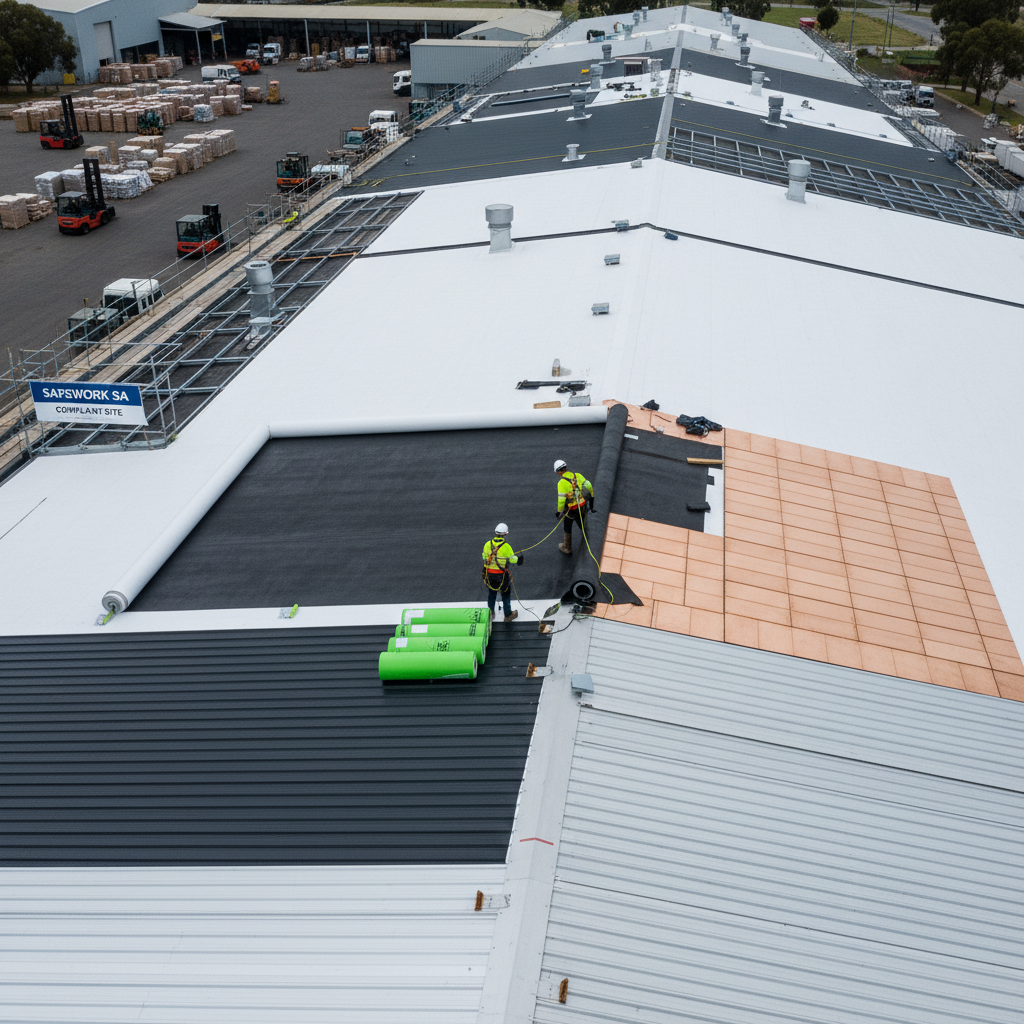
Thermoplastic polyolefin (TPO) is a high-performing roofing membrane for commercial and industrial applications. TPO is environmentally responsible and cost-effective, with a reflective surface that boosts energy efficiency by deflecting UV rays. The membrane roofing structure makes it easy to install and maintain, making it popular for flat roofs and warehouse roofs. Thermoset Roof Membranes, especially EPDM rubber, are highly resistant to stormy weather and temperature fluctuations. EPDM (ethylene propylene diene thermopolymer) is affordable and long-lasting, reducing roof repair needs and contributing to roof longevity. Metal roofing, including copper roofs and advanced metal flashing, delivers durability and an architectural look that enhances the building’s value. Metal roofing is versatile, fire resistant, and efficient for commercial roofing systems where environmental regulations are strict. modified bitumen roofs excel in demanding climates. Built with multiple layers, they provide excellent fire barriers and insulations and cover boards, making them suitable for heavy foot traffic. Polyvinyl chloride (PVC) roof membranes are flexible and chemical resistant, ideal for industrial roof applications needing robust waterproofing. PVC is low maintenance and performed especially well in harsh environments. Liquid roofing and flat roof coatings provide quick waterproofing solutions for large rooftops.
Competitive and Cost Analysis of Commercial Roofing Systems
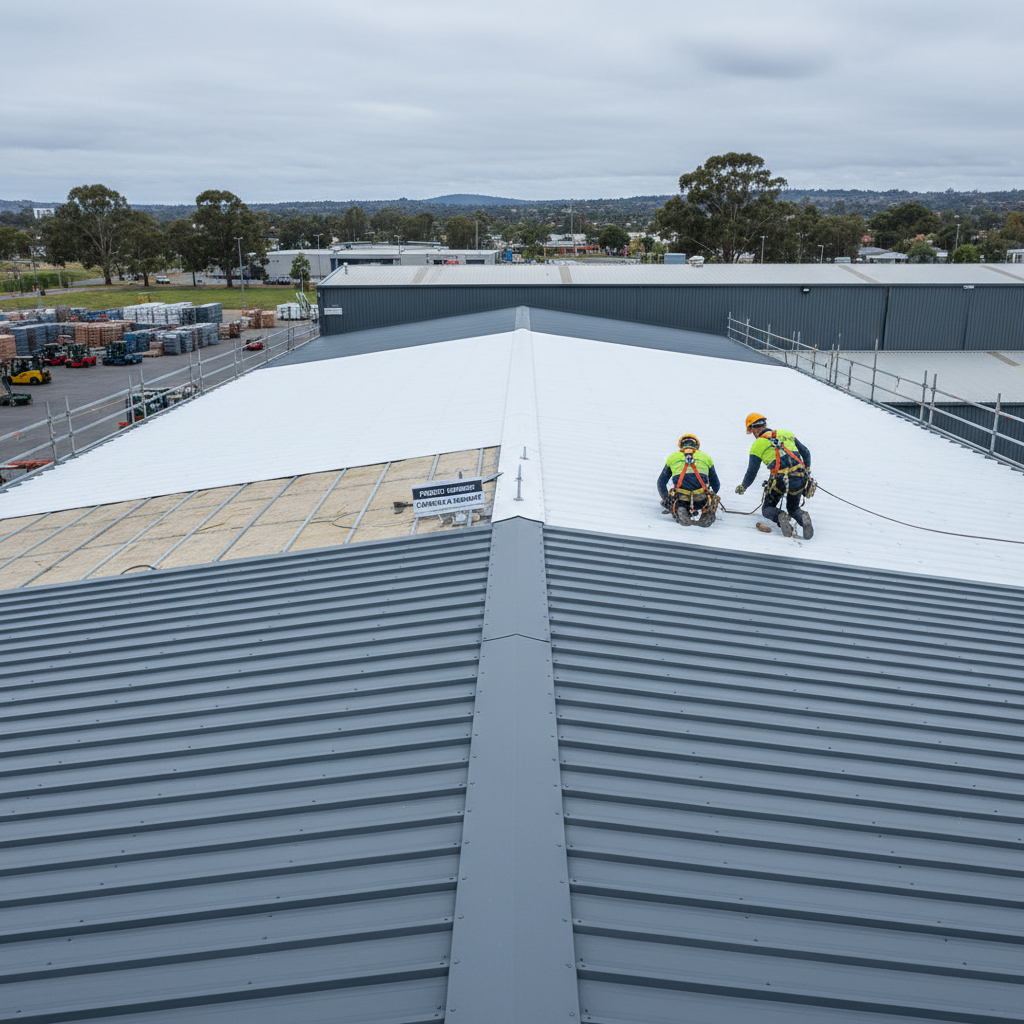
Comparing commercial roofing materials requires an objective look at cost, energy efficiency, and maintenance. Thermoplastic polyolefin and PVC membranes have lower installation costs, offer impressive longevity, and bring strong energy savings due to their reflective surfaces. EPDM membranes, favoured for warehouse roofs, are slightly less energy efficient but deliver long-term value. Metal roofs have higher initial costs, but their lifespan, resilience, and low maintenance offset the investment. Modified bitumen offers robust durability, particularly on roofs subject to frequent access, at a moderate price point. Concrete roofing and stone slab options are most appropriate where maximum durability is essential. Insulation materials, vapor and air barriers, and fire barriers should be considered during cost evaluations. Installation costs can also change depending on location, labor, safety regulations, and site-specific ventilation systems. Reroof Surgeon provides expert roof installation, thorough roof inspection, and professional advice on ongoing maintenance and repair. Businesses should weigh all these variables alongside material-specific costs before deciding on the optimal commercial roofing system for their site.
Additional Considerations and Expert Insights
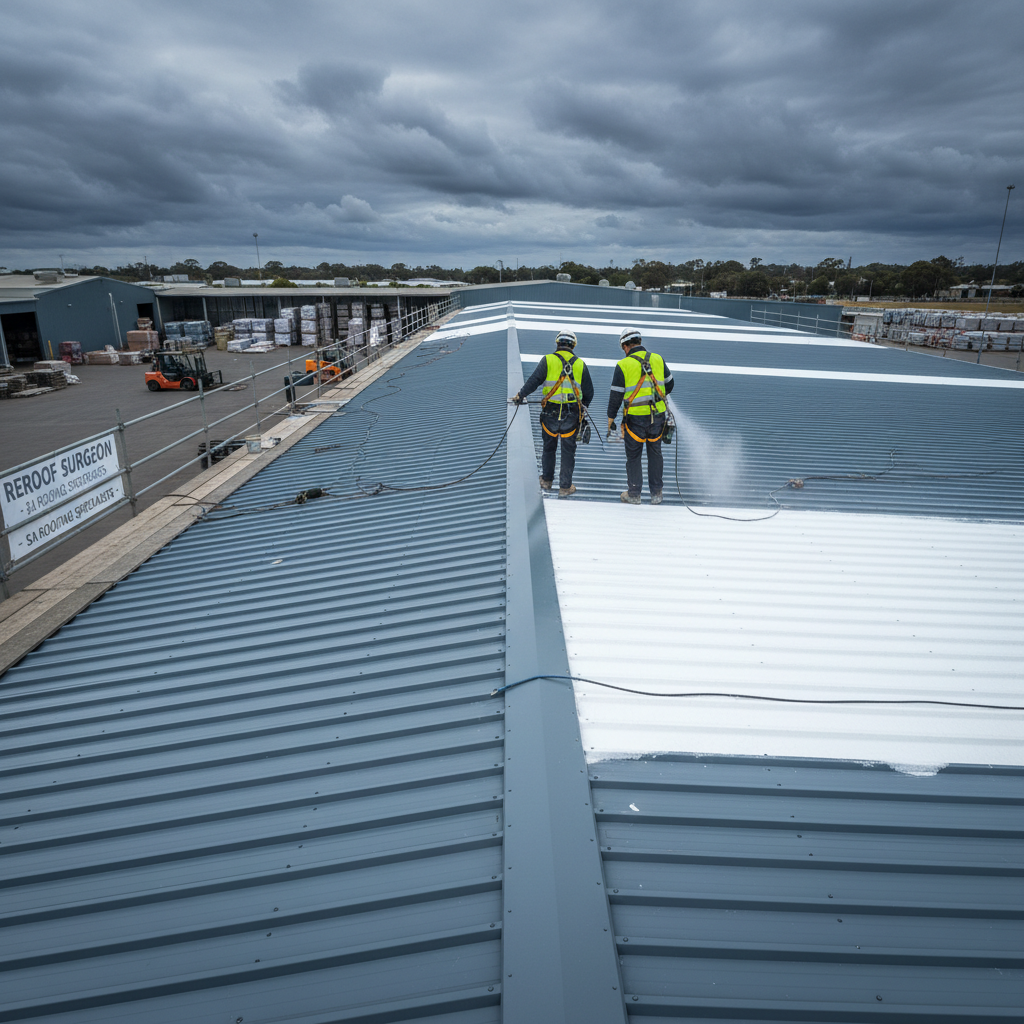
Choosing the best roofing material for your commercial roof requires an understanding of business type, location, and climate. Industrial roofing for manufacturing facilities or warehouse roofs should prioritise insulation, ventilation systems, and durability against stormy weather. Flat roof designs benefit from built-up roofing and membrane solutions to manage water runoff efficiently. sustainability considerations mean more companies are selecting polyurethane foam, synthetic materials, and energy-efficient options. all systems should meet current safety codes and environmental regulations while balancing cost-effectiveness and building design. Before choosing a roofing system, businesses should conduct rigorous roof inspection and consider user-generated reviews and testimonials. Reroof Surgeon leverages decades of local experience, helping South Australian building owners make informed, code-compliant choices. Thorough assessment ensures your chosen roofing material delivers maximum longevity and value over its lifetime.
Book a professional roof inspection today for peace of mind. Choosing the right commercial roof is an investment in property value, long-term performance, and energy efficiency. Consider lifespan, maintenance, regulatory compliance, and business needs. Let Reroof Surgeon deliver a tailored commercial roofing system that protects and enhances your commercial or industrial building.