Common Industrial Roof Problems
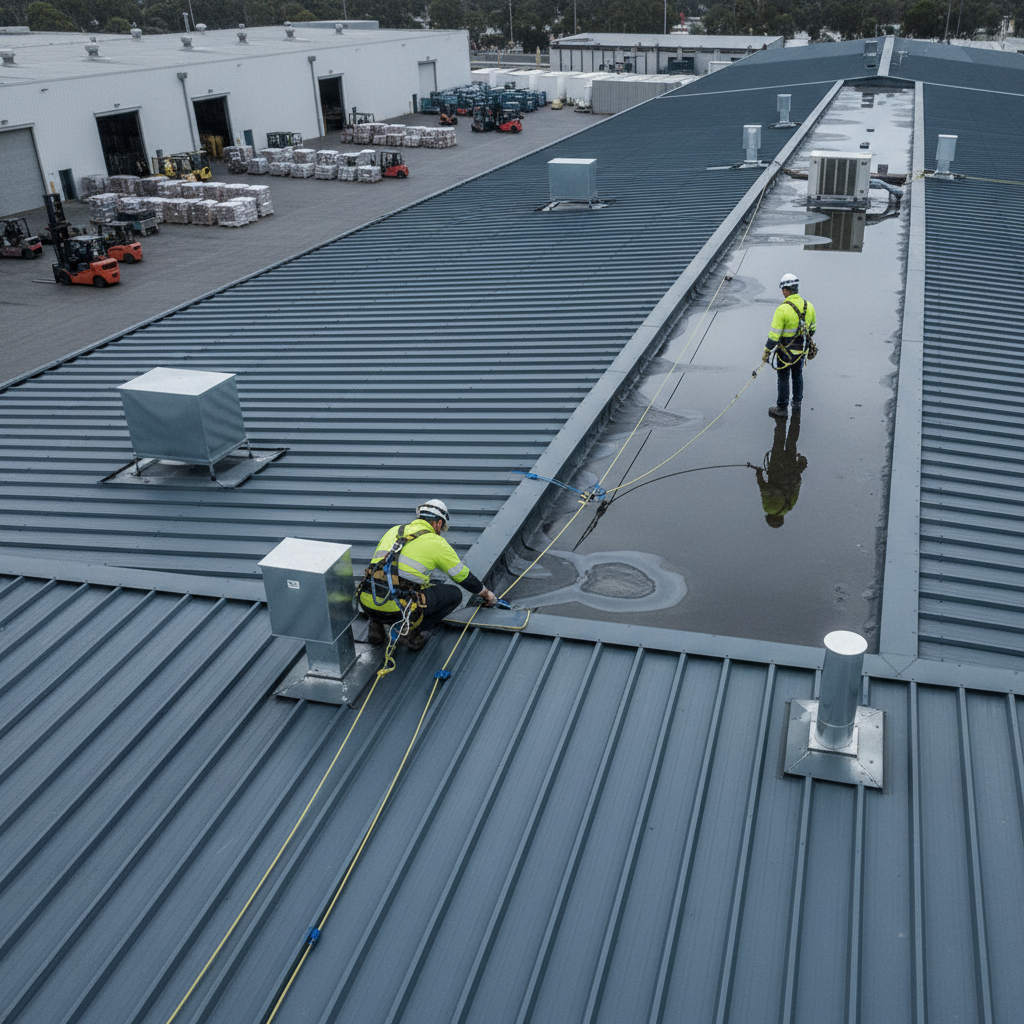
• Leaking Roofs: Water damage and water infiltration from leaks is common in both commercial and industrial roofing. Roof leaks often develop around roof penetrations such as HVAC units, utility lines, or improper roof sealing. Signs of leaks include water spots, drips, and interior damage, indicating the need for immediate roof repairs.
• Membrane Wrinkles and Blow-offs: Wrinkles or displacement in roof membranes, especially single-ply membranes like EPDM roofing and TPO roofing, create vulnerabilities. Wind uplift, poor surface preparation, or age-related wear can result in membrane blow-offs. This typically affects flat roofs and industrial flat roofs, particularly with older commercial roofing systems.
• Punctures and Holes: Heavy equipment, industrial machinery, and foot traffic may cause punctures in roofing materials. These damages threaten the structural integrity of metal systems and other industrial roof types, leading to potential roof damage, moisture mapping issues, and eventual mold remediation.
• Shrinkage and Thermal Splitting: Temperature fluctuations and UV reflectivity may cause some roof materials (such as modified bitumen roofs or synthetic fiber membranes) to shrink or split. Thermal movement causes cracks in built-up roofs, concrete roofs, or even clay tiles, exacerbating roofing issues.
• Ponding Water: Inadequate drainage causes ponding water on low-slope or flat commercial roof types. Persistent standing water speeds up deterioration of roofing materials, increases the risk of leaks, and contributes to costly structural repairs.
Repair Solutions for Industrial Roof Issues
• Leaking Roofs: Addressing industrial roof repairs for leaks involves patching with compatible roofing materials and professional-grade roof sealing solutions. Roof repairs may include re-roofing compromised sections with modern metal roofing, especially for properties needing durable, long-life results. Moisture mapping and roof evaluation support an accurate repair scope.
• Membrane Issues: Damaged or loose roof membrane sections—such as PVC membranes, EPDM roofing, or TPO roofing systems—are re-adhered or replaced. Material selection, including green roofs for sustainability, depends on project goals and budget. Surface preparation ensures adhesion and stable performance.
• Structural Punctures and Holes: Roof damage in metal roofs, tile roofs, or concrete tiles is resolved using patching with sheet metal and membrane reinforcement. Industrial flat roof repairs may involve heavy-duty fixings around roof penetrations like ventilation systems and solar panels, in line with insurance company guidelines.
• Addressing Ponding Water: Improving drainage by enhancing roof slope or adjusting drainage points is crucial for preventing water infiltration and long-term water damage. These interventions protect both structural integrity and minimize lifecycle costs. Preventative maintenance can also address minor drainage blockages before they escalate.
Proactive Maintenance and Comparative Repair Evaluation
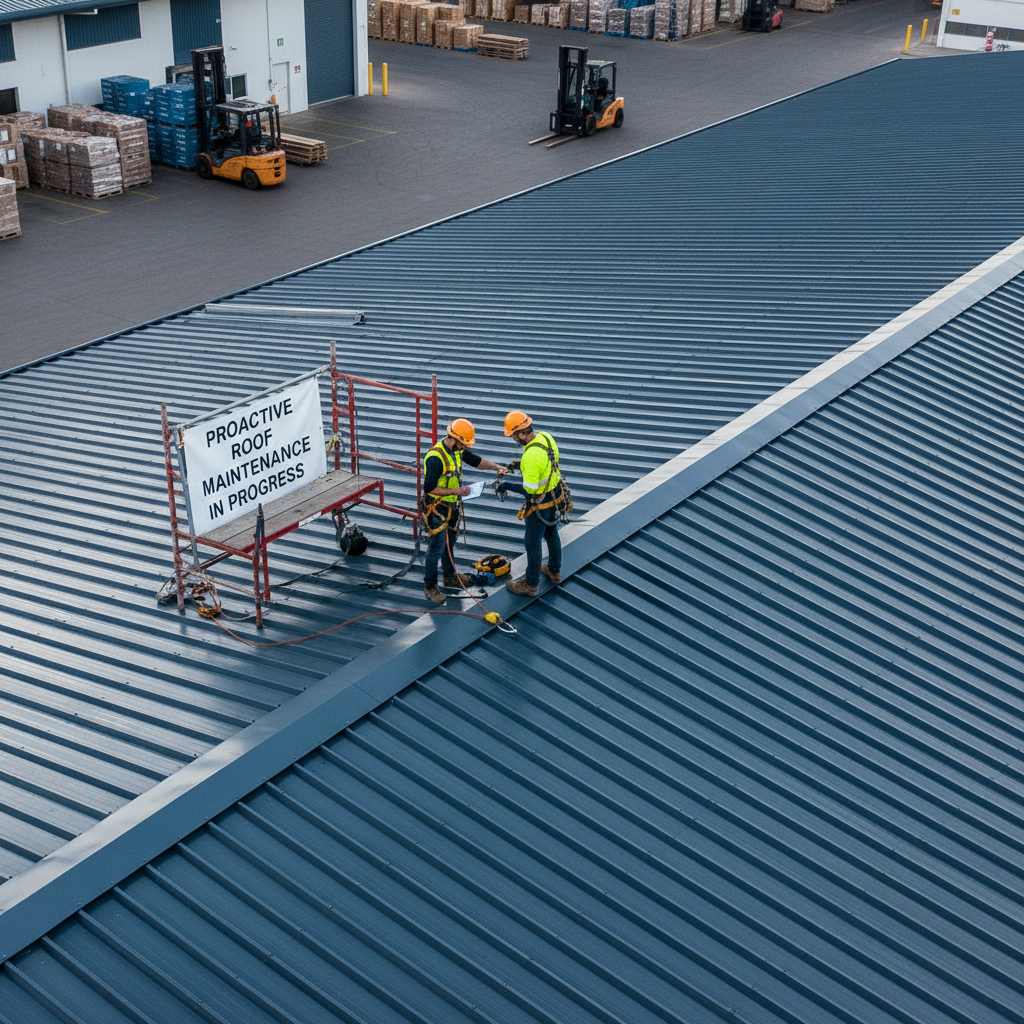
• Preventative Maintenance: Scheduled inspections, minor repairs, and regular cleaning are necessary to preserve commercial and industrial roofing health. Keeping a detailed preventative maintenance program log allows property owners to monitor performance and support insurance claims after storm damage or disaster recovery events.
• Cost Comparison: Industrial roof repair methods range from affordable patching for minor punctures to full roof replacement for major storm damage or fire damage restoration. Lifecycle costs and the selection of durable materials—such as modern metal roofing and quality commercial roofing systems—directly impact overall value for property owners.
• Effectiveness and Longevity: Investing in reputable commercial roofing services ensures repairs are completed to specification, which extends lifespan and enhances UV reflectivity and energy efficiency. Proactive maintenance and quality repairs reduce future energy bills, insurance claims, and major restoration requirements.
• Materials Used: The durability of commercial roofing repairs depends on the use of high-performance materials, including COLORBOND® metal systems, single-ply membranes, and robust flashing around industrial access points. These choices determine resistance to heavy-duty use.
Expert Recommendations and South Australian Best Practice
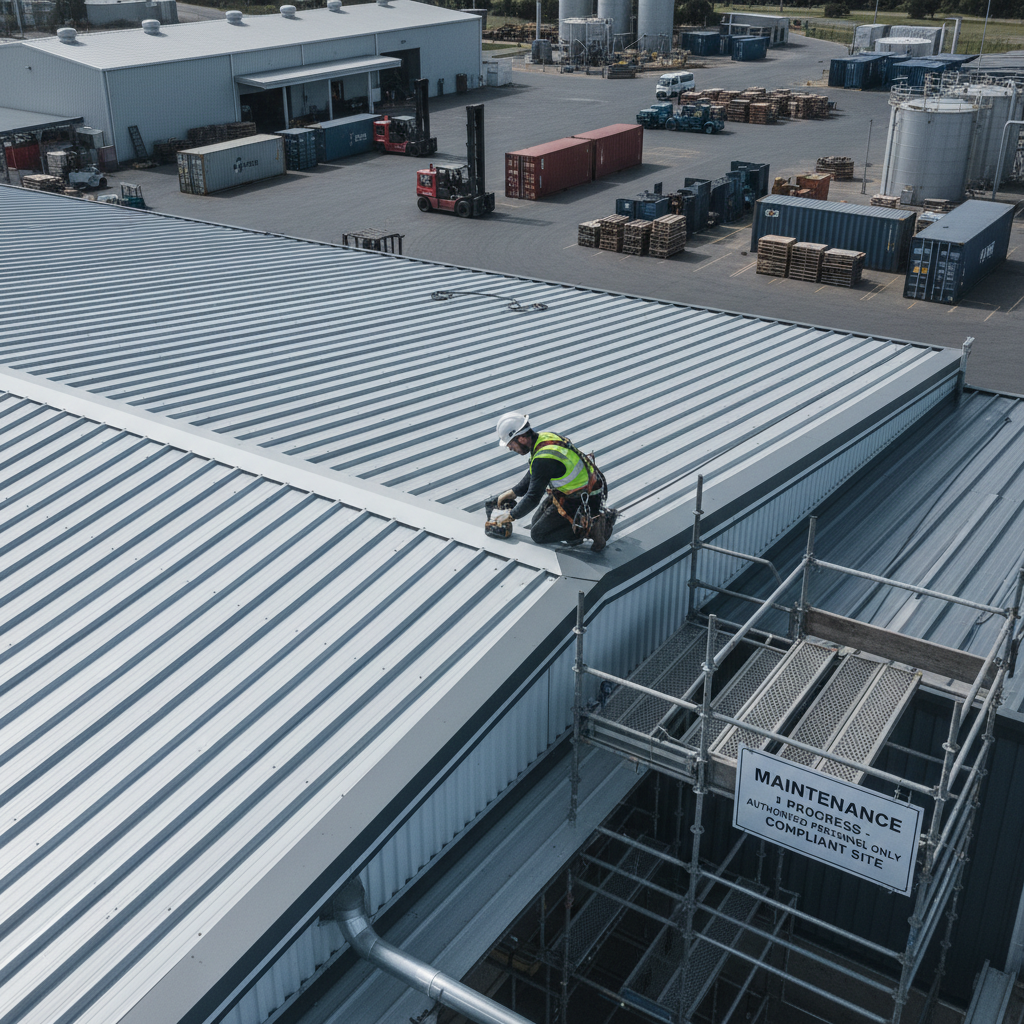
Reroof Surgeon recommends ongoing roof evaluation and prompt repairs. Engage commercial roofing services with proven South Australian expertise in industrial roofs and heavy-duty applications. Avoid deferred maintenance, as this leads to costly structural repairs and frequent insurance company claims. Utilize maintenance programs tailored to manufacturing and assembly plants, favoring efficient repairs such as built-up roofing patchwork or modified bitumen reinforcement for ongoing reliability. Encourage integrating solar panels or green roof elements where suitable. For storm damage, water damage mitigation or fire damage restoration, document all repairs and coordinate with insurance providers. Ask your contractor about available material upgrades for improved UV reflectivity and resistance to industrial machinery impacts. By partnering with an experienced contractor, property owners can mitigate water infiltration risks and maintain system integrity for years.
Book a professional industrial roof evaluation with Reroof Surgeon today. Timely industrial roof repairs preserve operational continuity, minimize damage, and support cost efficiency. Maintaining your industrial or commercial roofing system with regular inspections and preventative maintenance results in safer workplaces, better performance, and longer roof lifespan. Contact your South Australian specialists at Reroof Surgeon for reliable, tailored solutions for any commercial roof type.