Understanding the Problem: Common Causes of Tile Roof Leaks
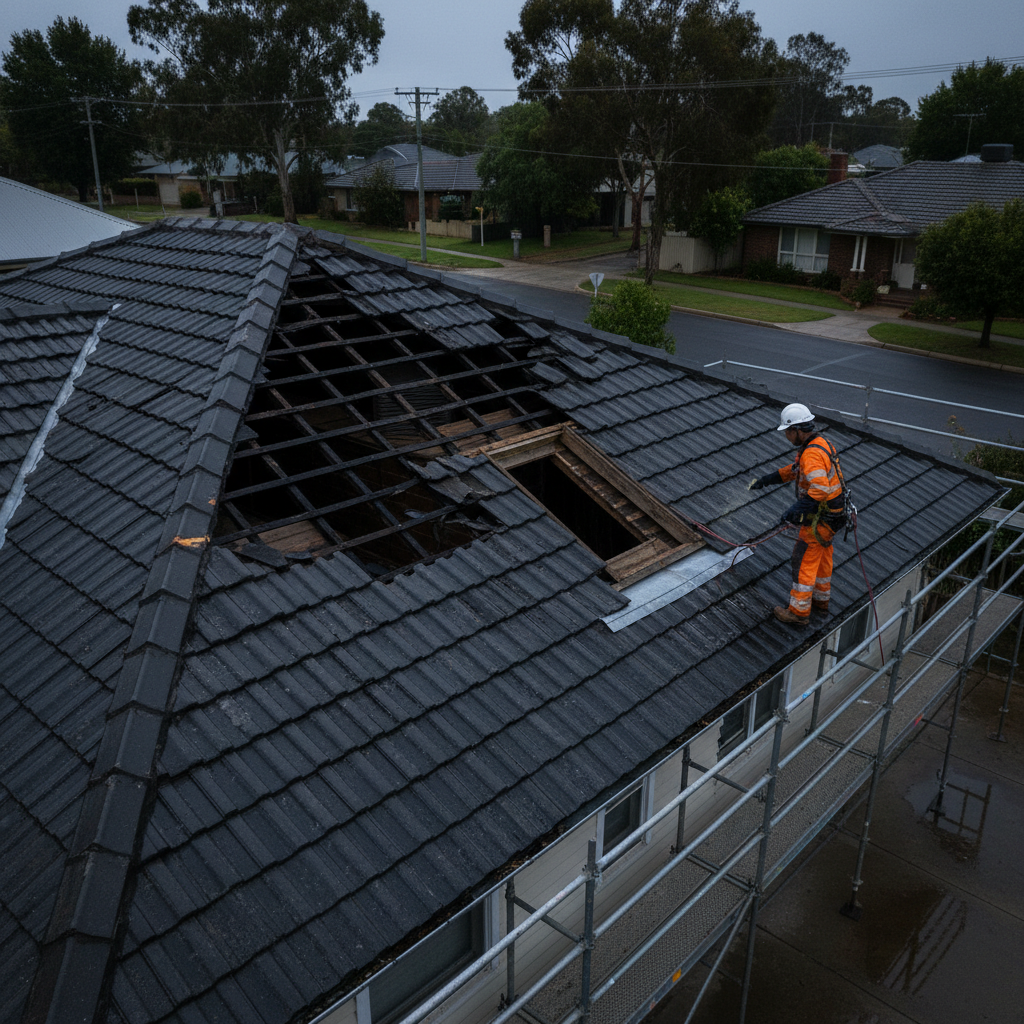
Roof leaks are common with both concrete tile roofs and clay roof tiles. The main cause is usually shifted or broken roof tiles from storm damage, hail storms, or stepped-on tiles. Typical signs of damage include missing tiles, exposed roof deck, and water stains inside your building. Weather conditions such as severe weather conditions, strong winds, and heavy rain, can crack or break tile components. Physical stress from walking on steep roofs or improper installation degrades the roof structure. Older roofing materials become brittle, losing their waterproof membrane and tile underlayment protection. Blocked gutters increase water intrusion by forcing water under tiles—making gutter maintenance crucial. Clogged or damaged drainage affects the roof valleys and promotes water leakage by trapping water. faulty installations, missing secondary flashing, or aging roof sealants create more paths for water ingress. Typical roof features like penetrations for skylights or chimneys become leak risks when not maintained. These issues, if ignored, undermine your roofing system’s structural integrity and cause water infiltration, resulting in mold and mildew.
Step-by-Step Guide to Fixing a Leaking Tile Roof
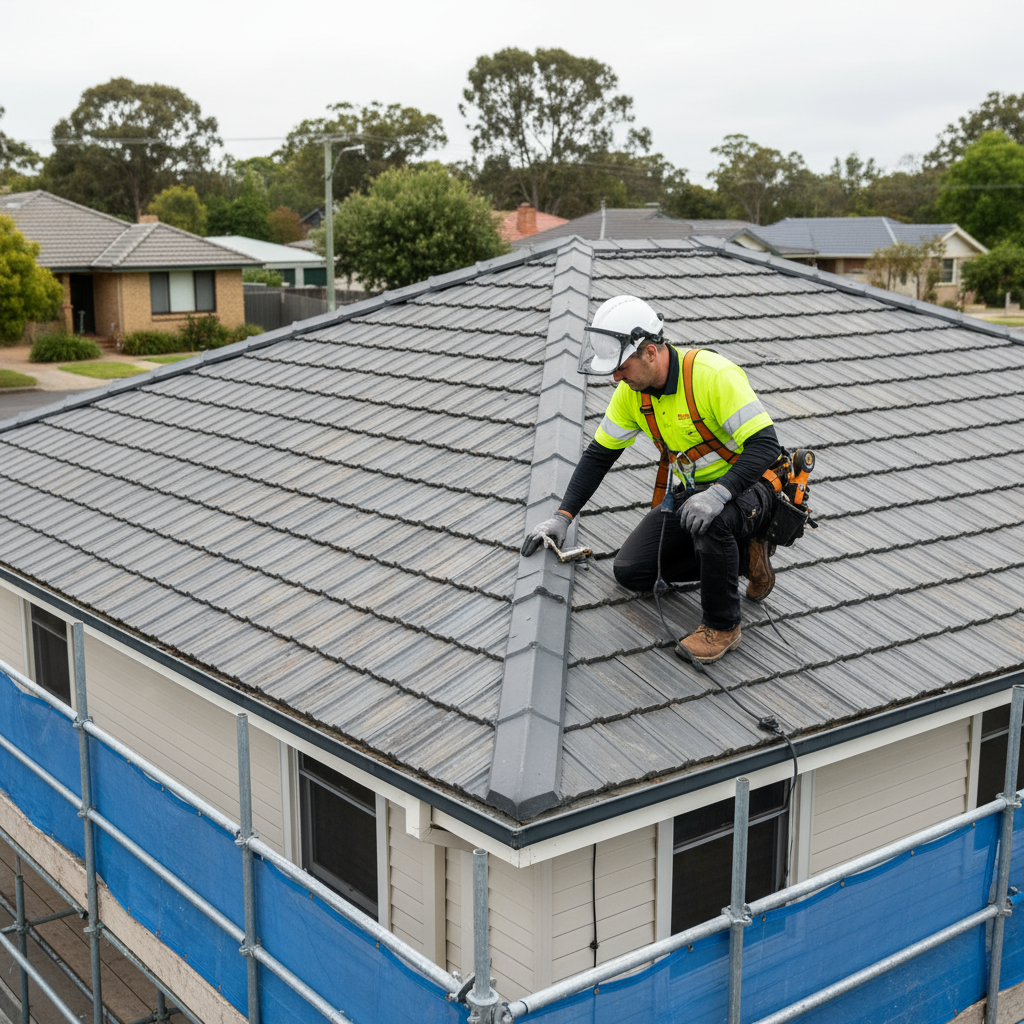
Begin with a thorough roof inspection using safety equipment, such as harnesses, and mind steep or awkward roof pitch. Check for damaged or misplaced tiles, roof valley debris, and compromised roof flashing. Focus on all roof components—especially around roof penetrations, secondary flashing, and gutters—for early signs of water ingress. For broken or missing tiles, gently remove adjacent tiles and lift the damaged one. Replace it with a matching tile, ensuring your roof underlayment and waterproof membrane remain intact. Secure with compatible fasteners. For minor tile cracks, apply a roof-safe cleaning solution, dry the area, then use appropriate roof sealants to bond and waterproof the damage. Leaky roof areas near valleys, flashing, or around penetrations may require additional sealing or flashing replacement. If you find signs of aging roof components, such as brittle sealants or rusted fasteners, replace them promptly. For extensive roof repairs or hidden issues caused by poor installation or water stains, consult a professional roofer to ensure quality roofing repair and compliance. Tile roof leak repair is detailed work, so review all aspects before finishing.
DIY vs. Hiring a Professional
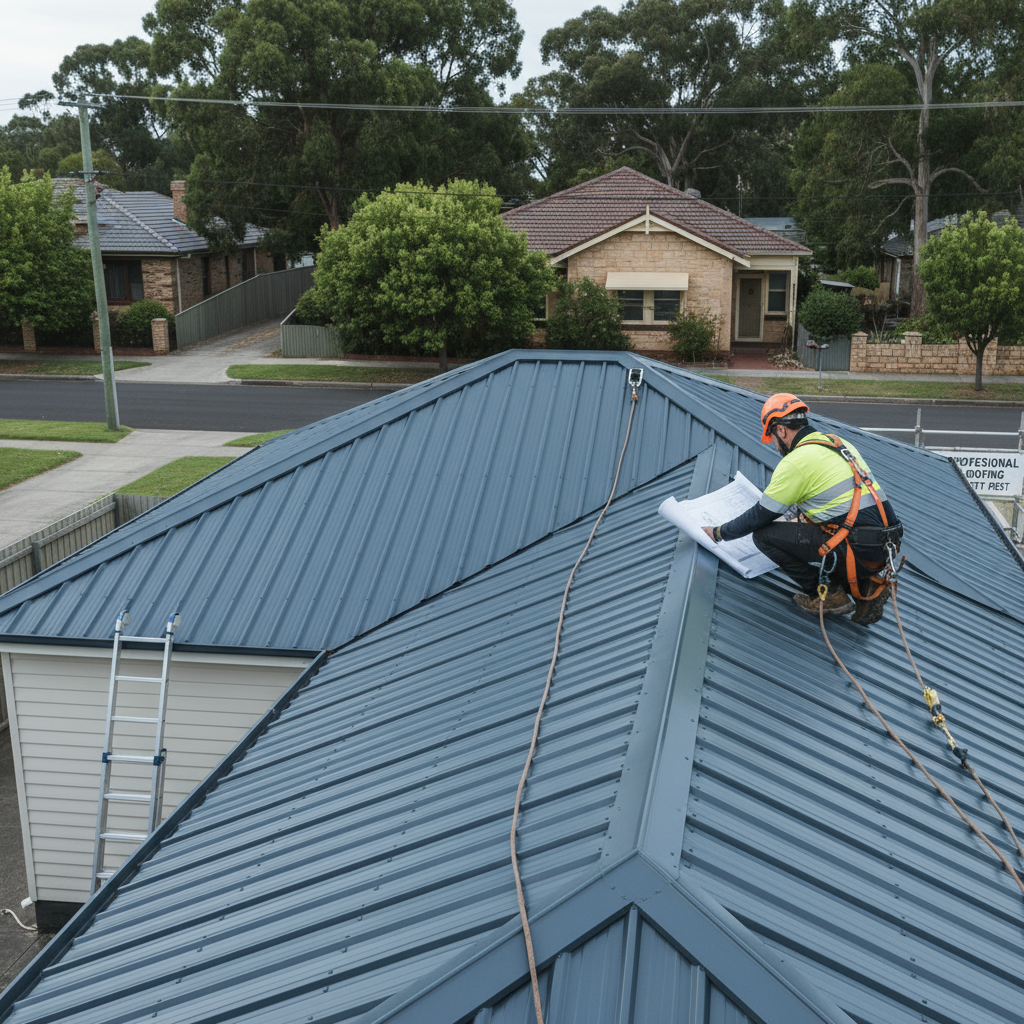
DIY tile roof repairs can appeal due to cost savings and flexibility. Benefits include quick fixes for missing tiles, minor cracks, or clogged gutters. However, DIY can be risky. Roofing repair involves heights, steep roofs, and potential slips, making safety equipment vital. Lack of experience increases the likelihood of missed leaks, incomplete repairs, or even personal injury. You may also void warranties or compromise long-term durability. Call a roofing company if you notice persistent leaking roof problems, widespread water damage, continual water ingress, or need to address roof pitch or major structural repairs. Professional roofers bring knowledge of all roofing materials, roof design, and Australian standards. Services include thorough inspections, replacing extensive tile and underlayment, installing new metal roofing or secondary flashing, and verifying the structural integrity. Reroof Surgeon’s teams can convert old tile systems to COLORBOND®—offering a long-life, low-maintenance solution tailored to commercial, industrial, or residential needs.
Preventative Measures to Avoid Future Leaks
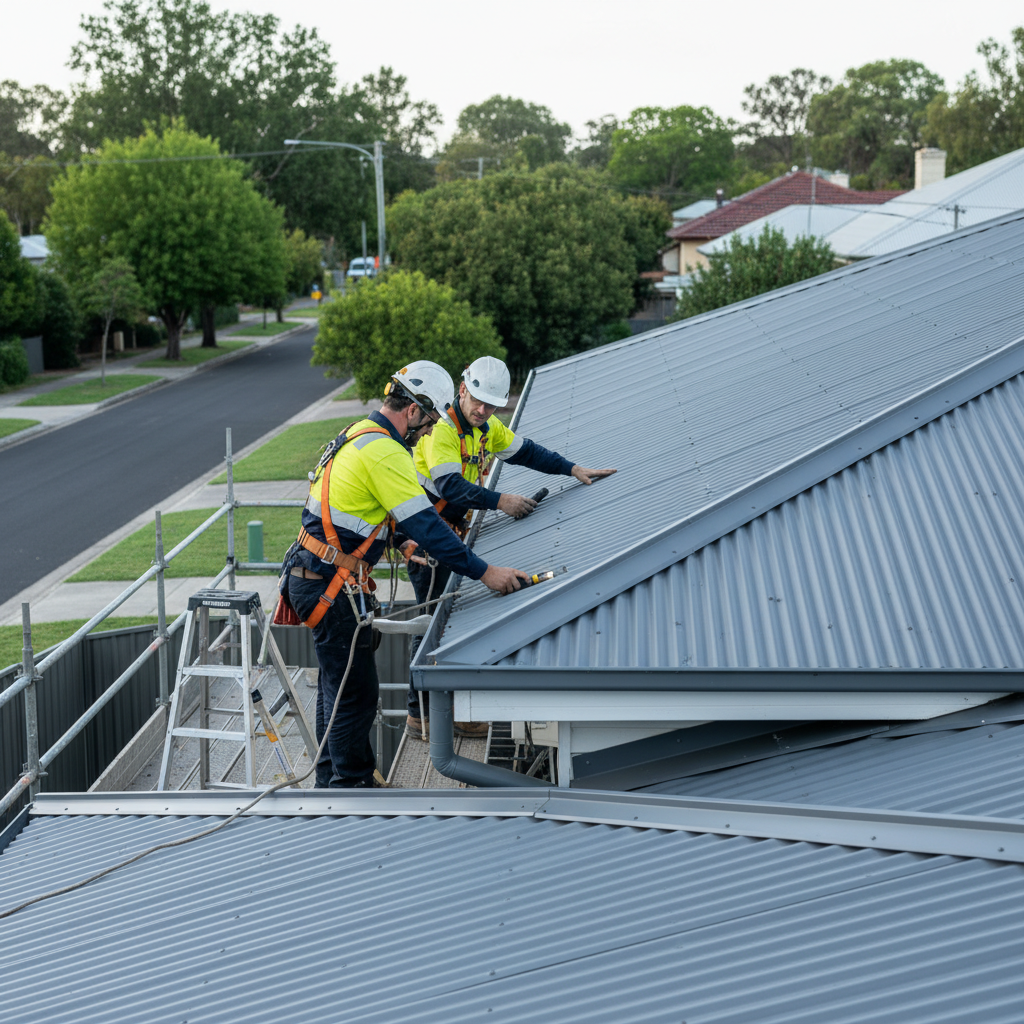
A preventive roof maintenance plan saves time and money. Schedule regular inspections each season to catch early signs of roof leaks, water stains, or missing tiles. Routine roof cleaning with a roof-safe cleaning solution prevents leaf debris from clogging gutters and valleys. Keep drainage systems clear to reduce risk of water leakage and water infiltration. Inspect and refresh roof flashing, roof sealants, and secondary flashing to combat water ingress around roof penetrations. Check all roof components for weather-related wear such as hail storm damage, paying special attention to tile roof underlayment and waterproof membrane. Consider applying weatherproof coatings or sealant as extra protection, particularly in areas prone to severe weather conditions. Budget for professional maintenance if your property is valuable, or if rooftop access or repairs feel unsafe. For aged roofs, consider upgrading to a modern roofing system. metal roofing options, such as COLORBOND®, offer exceptional durability, require less ongoing maintenance, and integrate easily with existing roof features.
Keep your tile roof protected – book a professional inspection today. Regular maintenance and prompt repairs help fix leaking tile roof problems before water damage escalates. Proactively addressing roof leaks, drainage, and tile issues preserves your roofing system’s value. For comprehensive solutions, trust experienced roofing specialists like Reroof Surgeon to keep your property safe and dry.