The Ultimate Guide to Re-Roofing & Roof Replacement in Adelaide
Welcome to your comprehensive guide for re-roofing Adelaide and roof replacement Adelaide. Here we explain every stage, cost, and best practice you need to know. Whether you manage a commercial, industrial, or residential asset, making smart roofing decisions can protect your building and enhance value. We’ll explore reroofing options, cost breakdowns, compliance, and what licensed roofers can accomplish for your South Australian property. This is your roadmap for Colorbond roof upgrades, tile-to-Colorbond conversions, and future-proof commercial roofing Adelaide solutions.
Table of Contents
- Understanding Re-Roofing vs. Roof Replacement
- Material Options and Techniques for Roof Transformation
- Roofing Costs and Project Budgeting in Adelaide
- Adelaide Climate, Regulations, and Selecting a Roofing Partner
- Maintenance, Aftercare, and User Experiences
- Additional Resources and Cluster Content Links
1. Understanding Re-Roofing vs. Roof Replacement
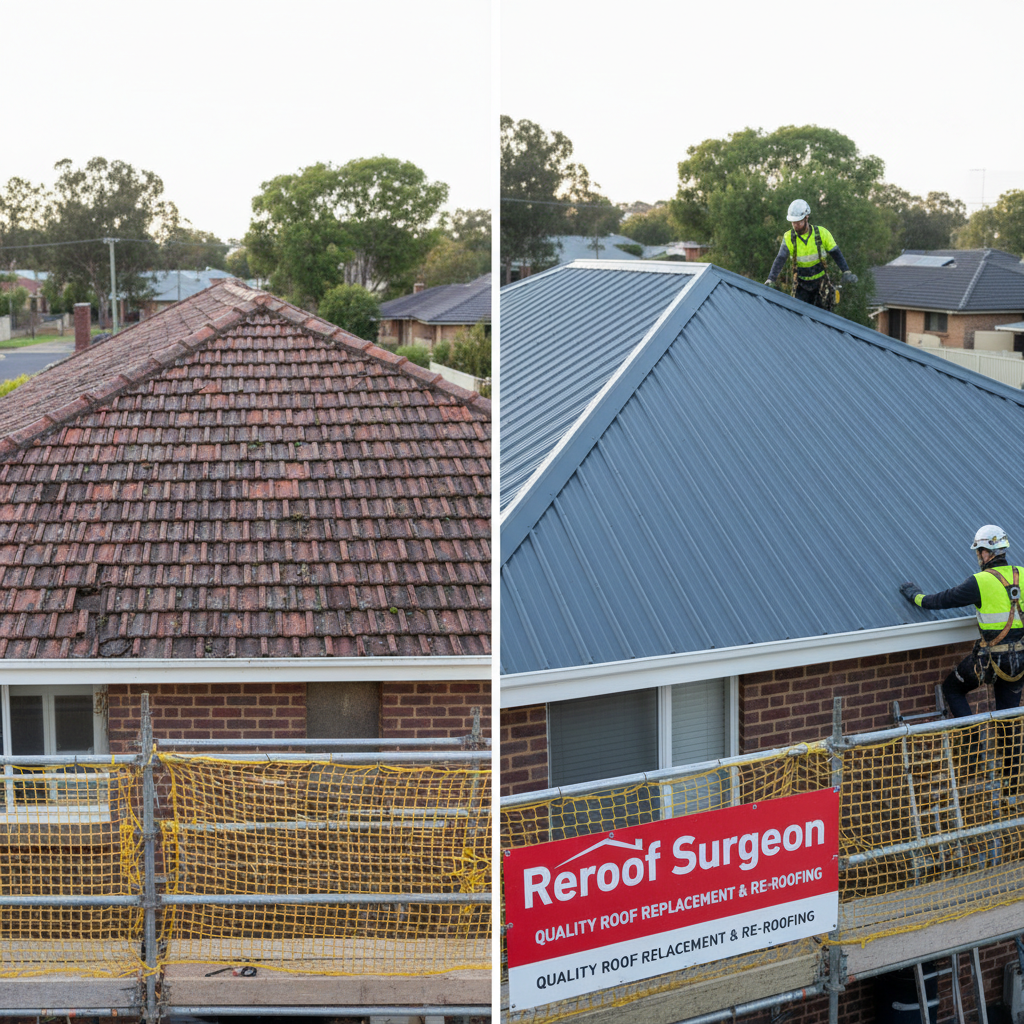
When considering the right approach for your Adelaide property’s roofing needs, it’s essential to understand the clear differences between re-roofing and roof replacement. Though these terms are sometimes used interchangeably, their processes, costs, and implications are quite distinct, and knowing which is best for your situation can save you significant time, stress, and money in the long run.
a. What is re-roofing?
Re-roofing, also referred to as roof overlaying, is the process of installing a new layer of roofing material directly over your existing roof. This option is best suited when your roof’s underlying structure is still sound but the external surface—such as tiles or metal—shows wear, minor damage, or weathering. Re-roofing is typically sought after for isolated issues: surface damage, gradual loss of protective coatings, minor leaks, or areas where shingles or tiles have come loose. Because the original structure isn’t removed, this approach usually takes less time and creates less disruption to your home or business operations. It also tends to be less expensive, since it requires less labour and fewer materials, making it a popular option for owners seeking cost-effective solutions.
b. What is roof replacement?
However, re-roofing is not always suitable. Roof replacement, on the other hand, involves completely stripping off all existing roofing materials—tiles, metal sheeting, insulation, and even damaged battens—down to the roof frame. Professional roofers will then install a whole new system, including watertight barriers, insulation, and the final roof surface. Roof replacement is generally recommended if your property has extensive damage, such as sagging in the roof deck, significant water infiltration, persistent leaks that recur after repairs, mold or rot within the structural elements, or when the roof is simply too aged and worn for patchwork solutions to be effective. Replacing your roof gives you the opportunity to address lingering or concealed problems, improve insulation, and upgrade to longer-lasting materials like modern Colorbond steel.
c. Warning signs you need a professional assessment
There are certain warning signs that indicate you’re due for professional assessment. Sudden or severe storm damage, especially hail or fallen debris, can compromise more than just the outer layer of your roof. Sagging sections, visible gaps, and widespread water infiltration are red flags that call for more than just superficial repair. Growth of moss or lichen not only detracts from your roof’s appearance but can signal persistent moisture and underlying decay. If you notice your roof repair bills are consistently rising, or if you’ve observed a steady decline in energy efficiency or increased cooling and heating costs, it may be time to invest in a full replacement rather than another round of patch jobs.
d. The role of licensed roofing professionals
It takes an experienced, licensed roofing professional to determine the best path forward. They will conduct a thorough inspection to assess the frame, sarking, insulation, and surface, taking into account local Adelaide regulations and weather conditions. With honest input from a respected roofer, you’ll receive a tailored recommendation—whether that’s targeted restoration, cost-effective re-roofing, or a full replacement.
To further educate yourself on this choice, cluster content resources such as “7 Telltale Signs You Need a Roof Replacement, Not a Repair” and “The Step-by-Step Process for a Complete Roof Replacement” can provide additional detail and make your decision easier. When you work with trusted professionals like Reroof Surgeon, you benefit from clear timelines, transparent communication, and expert advice on everything from material choices to installation best practices. Remember, whether you’re weighing re-roofing versus roof replacement, investing in the right solution is crucial to protecting your asset, improving your property’s value, and ensuring ongoing peace of mind.
2. Material Options and Techniques for Roof Transformation
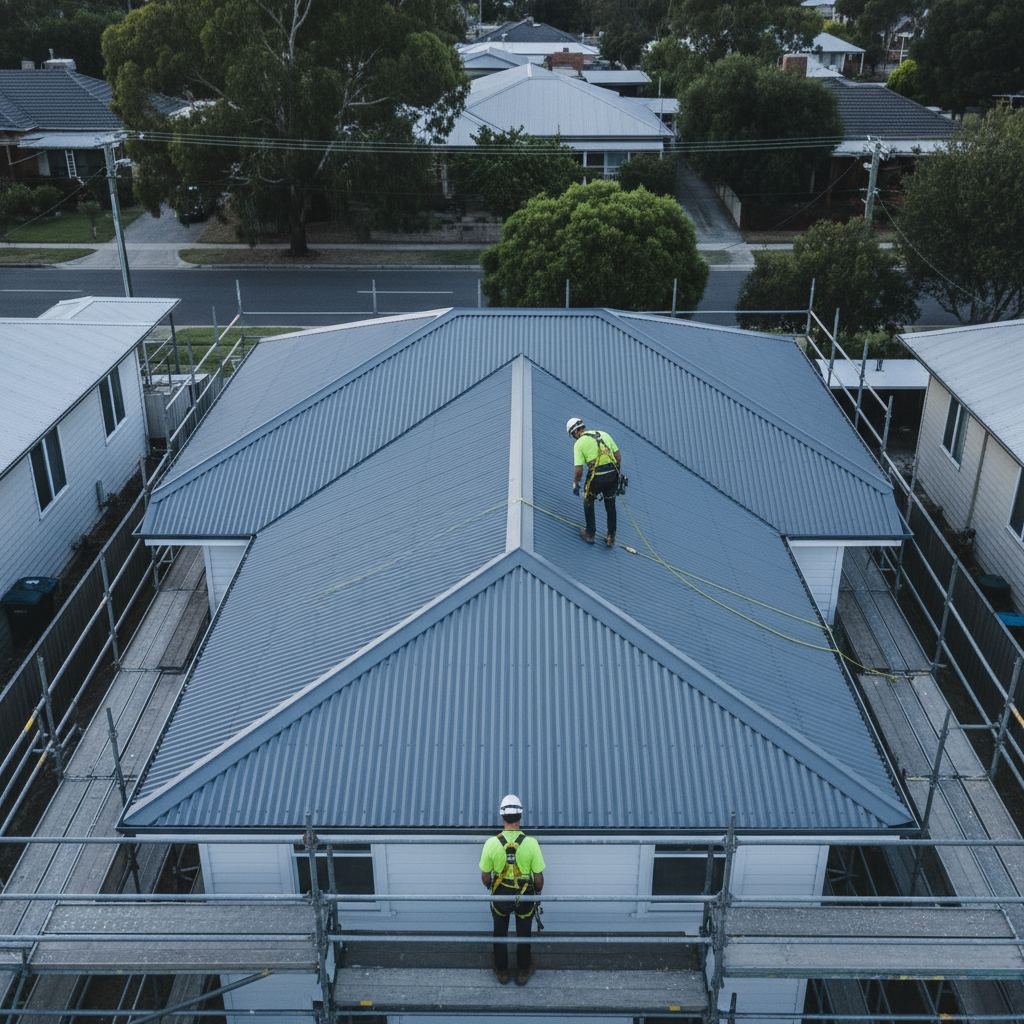
a. Choosing the right material for Adelaide conditions
When planning a roof transformation in Adelaide, one of your core decisions revolves around selecting the appropriate material and understanding the techniques that underpin a successful re-roof. There are several high-quality, locally suited roofing materials available, each with distinct advantages regarding longevity, aesthetics, energy efficiency, and maintenance needs. Your choice should factor in Adelaide’s weather conditions, long-term value, and the unique architectural style of your property.
b. Colorbond roof systems
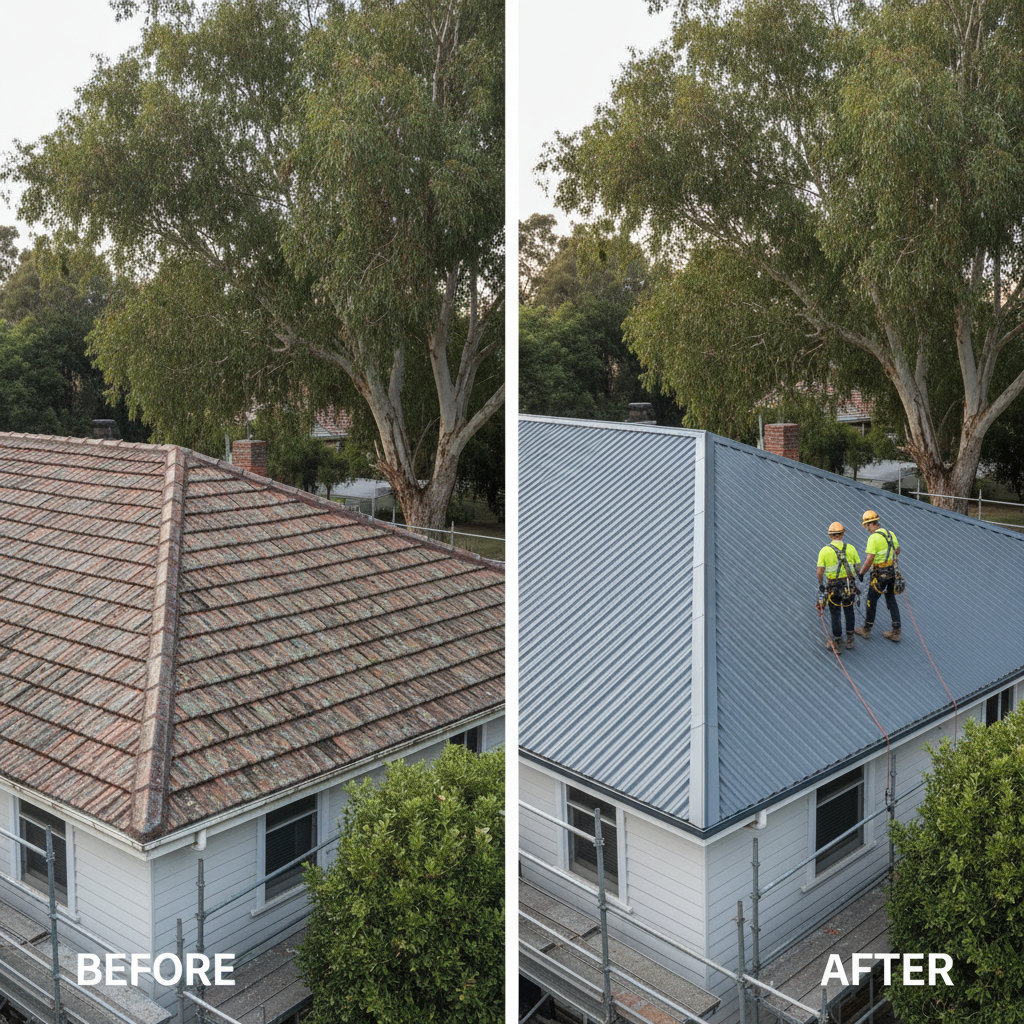
Colorbond roof systems stand out as a leading solution for many Adelaide homeowners and commercial assets. Manufactured by BlueScope Steel, Colorbond offers an exceptional combination of durability and modern design. It’s engineered to withstand Australia’s often harsh climate, including sweltering summers, coastal exposure, and heavy wind loads. The Colorbond roof colour range provides more than 20 contemporary and classic shades, allowing property owners to complement their homes’ facades and enhance street appeal. Additionally, Colorbond is relatively lightweight compared to traditional tiles, making it suitable for a wide range of structural frames and significantly easier to install during roof replacement projects.
c. Traditional terracotta and concrete tiles
Traditional roof tiles, such as terracotta and concrete, have long been favoured for their classic appearance and excellent sound insulation. Terracotta tiles are known for their deep, organic colours and resilience, while concrete tiles offer cost-effectiveness. However, they tend to be heavier than metal options, which can affect structural loads and require additional support. Furthermore, these materials can be less optimal in Adelaide’s climate, especially as they tend to absorb and trap heat, making them less energy-efficient during the peak of summer. Older tiled roofs may also develop leaks over time due to cracked tiles or failing underlays, warranting a complete replacement or upgrade to more modern solutions.
d. Evolving metal roofing technologies
Modern metal roofing, on the other hand, continues to advance in both technology and design. Steel and aluminium roof products deliver notable benefits in terms of low maintenance demands, resistance to pests and rot, and fire safety standards. Metal roof replacements are especially popular for Adelaide’s commercial and industrial sectors, offering swift installation processes, lighter weight, and robust protection against inclement weather.
e. Key steps in the reroofing process
The reroofing process itself is much more than simply replacing old materials with new. It often begins with a detailed inspection and high-pressure cleaning to remove debris, lichen, and buildup. Critical to a well-executed transformation is the removal of deteriorated insulation, sarking, and timber or metal battens. Installing new metal roof battens ensures structural integrity and precise alignment for cladding. Next, roofers lay down the chosen roofing material—whether sheets of Colorbond, zincalume steel, or tiles—ensuring overlap and secure fixings in line with manufacturer and compliance standards. Many projects now integrate smart additions like high-efficiency guttering, solar roof vent systems to improve attic airflow, and even provisions for solar panel mounts, future-proofing your home for reduced energy costs and improved comfort.
f. Warranties and working with reputable contractors
Warranty terms can vary significantly based on the roofing material and installer credentials. Colorbond roofs, for example, may carry material warranties of up to 36 years with proper installation and maintenance. Always discuss with your contractor about manufacturer’s warranties, home warranty insurance, and post-installation care, so you’re fully protected against defects or installation errors. Reputable contractors, like Reroof Surgeon, adhere to strict safety protocols during all stages—scaffold setup, edge protection, safe waste disposal—and pride themselves on delivering workmanship that’s both clean and precise.
If you want a more granular breakdown of specific upgrades, in-depth guides such as “The Definitive Guide to Tile-to-Colorbond® Roof Conversions” and “Metal Roof Replacement in Adelaide: What You Need to Know” offer comprehensive walkthroughs for each reroofing scenario. No matter your property type or design vision, leveraging the right material and modern re-roofing techniques ensures a durable, beautiful, and value-adding result for your Adelaide property.
3. Roofing Costs and Project Budgeting in Adelaide

a. Why understanding roofing costs matters?
When planning a roof replacement or major reroofing project in Adelaide, understanding the costs involved and how to best budget for them is essential. Several critical factors determine the final price you’ll pay for your new roof, ranging from the materials you select to the unique challenges posed by your property’s location and structure.
b. How material choice affects your budget?
First, roofing material choice has a significant impact on total costs. For example, Colorbond steel, renowned for its durability and sleek finish, is a popular choice in South Australia, but its supply and installation tend to be more expensive than standard concrete tiles or corrugated iron. Tile roofs themselves have a wide cost variance depending on whether you opt for terracotta or concrete. Likewise, premium or designer roofing profiles will raise your overall investment. For homeowners considering a conversion—such as switching from a tiled roof to Colorbond—the removal and disposal of old tiles as well as the installation of new battens and insulation can add extra layers of cost.
c. The impact of roof size, pitch, and access
Roof area and pitch are just as influential. Larger homes or commercial properties naturally require more materials and labour, so your square meterage directly impacts the quote. The roof’s pitch or angle not only affects surface area calculations but also can increase labour time and costs—steeper angles are more challenging to work on and require additional safety equipment. On properties in areas like the Adelaide Hills, roofers also factor in access issues: tight driveways, sloped blocks, or multi-storey buildings can all require specialized equipment, scaffolding or extra effort to safely deliver and install roofing materials.
d. Project complexity and additional components
Project complexity should not be underestimated. If your roofing job involves elements like skylights, ventilation systems, chimneys, solar panels, or gutter upgrades, each of these details requires tailored treatment during installation. You may also need to account for the costs of removing asbestos in older homes, which adds to both safety and disposal fees. Furthermore, some reroofing jobs necessitate structural repairs or reinforcement to meet current building codes, which, while adding to your upfront investment, also boosts your home’s long-term value and safety.
A comprehensive professional roofing quote in Adelaide should include a full breakdown of:
- Labour costs (including removal of old roofing, installation, and finishing touches)
- All materials and supplies (roofing sheets, tiles, insulation, fasteners, underlay)
- Permit and inspection fees (required by many councils)
- Gutter and downpipe replacements or repairs (if included)
- Waste removal and site clean-up
- Insurance coverage, both for workers and your property during the project
e. Balancing maintenance and long-term value
Maintenance costs, though often overlooked, can add up if roof issues persist. Persistent leaks, sagging, or weather damage may signal the time for a full replacement rather than ongoing repairs—which often save money in the long run and prevent further damage from Adelaide’s weather extremes. Proactive budgeters sometimes set aside an annual maintenance fund to cover minor fixes, while keeping a larger renovation fund ready for eventual reroofing.
Smart budgeting means more than accepting the first quote you receive. Obtain detailed, like-for-like quotes from multiple reputable roofing contractors Adelaide has to offer, ensuring all extras and variables are included. Ask about the home warranty insurance—this covers you against workmanship issues for a certain number of years after project completion. Clarify the specifics of manufacturer and installer warranties, particularly how long your new Colorbond or tile roof is guaranteed to last, and what is covered.
Look for contractors like Reroof Surgeon who are upfront in their quoting process, so you won’t encounter surprise costs halfway through. For even deeper budgeting advice, community resources like “Roof Restoration Cost” guides and step-by-step articles on “How to Choose The Best Re-Roofing Contractors in Adelaide” are invaluable. They can help you benchmark your quotes, verify compliance with state legislation, and prioritize where spending will yield long-term savings versus unnecessary upgrades.
4. Adelaide Climate, Regulations, and Selecting a Roofing Partner
a. Climate challenges for Adelaide roofs
Adelaide’s unique weather patterns can present real challenges for any property owner considering roof replacement or reroofing. The city faces scorching summer temperatures, occasional heavy rain, and strong winds that can quickly expose weaknesses in aging or improperly installed roofs. To ensure your property stands up to these conditions, it’s essential to understand not only the climate considerations but also the regulatory requirements and the importance of a skilled, reputable roofing partner.
Hot summers in Adelaide mean roofs bear intense UV exposure, which can cause rapid deterioration of older roofing materials, particularly traditional tiles or poorly coated metal. As a result, many property owners are now opting for high-performance options like Colorbond steel, specifically designed for Australian conditions. Modern roof replacements often include features such as solar-powered roof vents to aid in heat dissipation, thicker insulation batts, and even lighter-coloured or reflective surfaces to reduce heat absorption and keep interiors cooler. For businesses and homes alike, these upgrades pay off, lowering energy demands for cooling and boosting overall comfort.
Winter brings heavy downpours and the potential for localised flooding, so roof gradients and advanced guttering become equally important. A professionally installed roof in Adelaide will typically incorporate advanced waterproofing membranes, secure flashing around all penetrations, and overhangs designed to direct water away from walls and foundations. Wind uplift is another concern—especially in the open Adelaide Hills. Quality roofing contractors will use wind-resistant fixings, reinforced battens, and install roof sheets to Australian Standards, ensuring peace of mind through extreme weather events.
b. Regulations, permits, and compliance
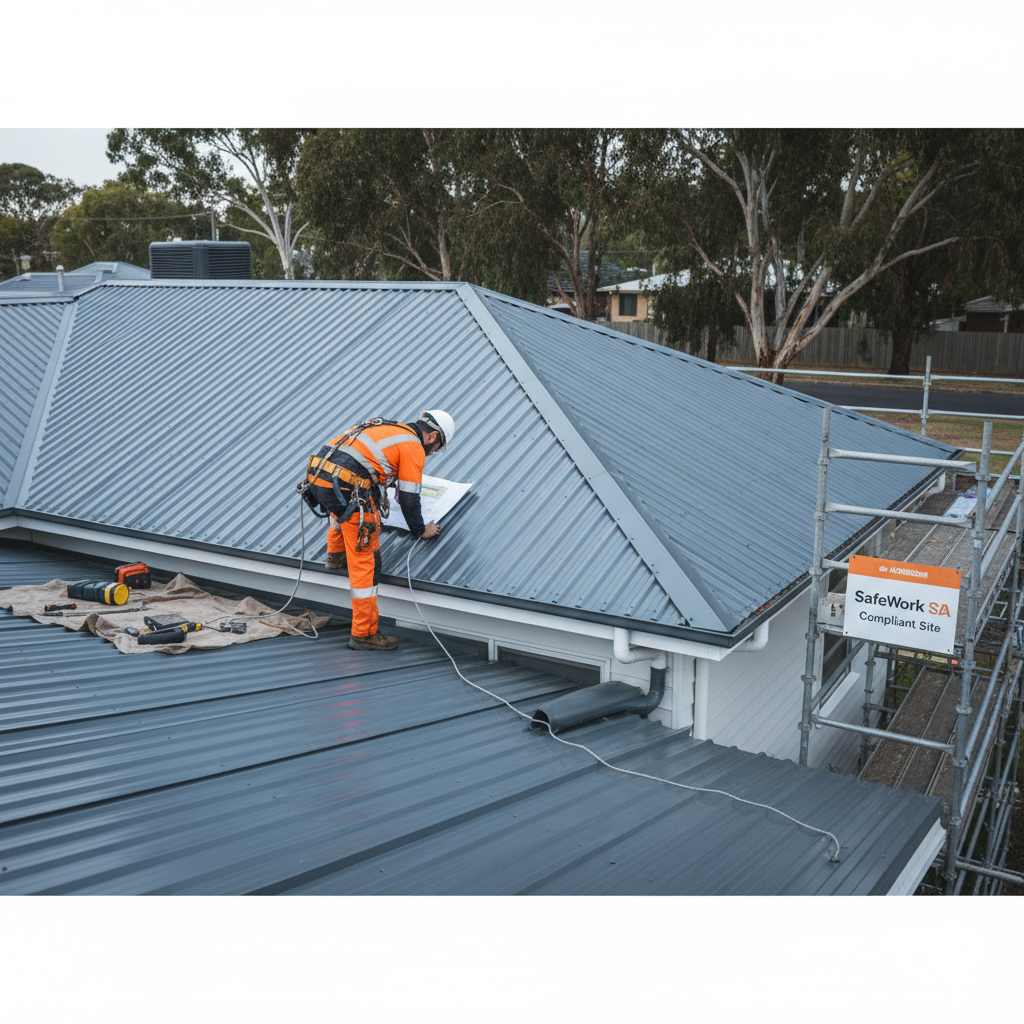
Regulation and compliance are strictly enforced across South Australia. Any substantial reroofing or roof replacement project in Adelaide almost always requires council notification, and in many cases, specific development approval. This involves submitting detailed plans, evidence of product compliance, and potentially heritage impact assessments in older suburbs. Obtaining the right permits ahead of time avoids costly work stoppages—or worse, fines. An experienced roofing partner will guide you through this process, liaising with local council authorities on your behalf, and ensuring all paperwork and safety documentation is in order before any work begins.
c. What to look for in a roofing contractor
When evaluating potential roofing contractors, always check for a current South Australian builder’s licence and robust public liability insurance. This not only protects your investment in the unlikely event of an accident, but is also a regulatory necessity. It is wise to ask for proof of their safety record, and details of previous projects, especially those located in Adelaide’s microclimates—from the beachside suburbs to the Adelaide Hills.
Customer service is a hallmark of reputable firms: look for clear, prompt communication, transparent project timelines, and detailed written quotes. Quality companies will welcome your questions about materials, warranties, and installation methods. Check independent review sites and ask for local references; positive stories from other Adelaide property owners are typically the best indication of a contractor’s reliability and skill in addressing region-specific challenges. Also, note their familiarity with compliance obligations and their approach to site safety. Are work zones cordoned off properly? Is debris regularly removed and is the site left clean each day? Contractors that focus on these details not only protect you from liability but also ensure the smooth progress of your project.
d. The value of local specialists and further reading
Local specialists, like Reroof Surgeon, emphasise up-to-date code compliance, meticulous weatherproof detailing, and a commitment to transparency throughout all stages of your project. Their expertise in Adelaide’s climate, combined with strong local supplier relationships, can mean quicker project completion and better after-sales support.
For more detailed guidance on the council approval process and evaluating your contractors, refer to related resources such as “Navigating Council Approvals for Re-Roofing in South Australia” and “How to Choose The Best Re-Roofing Contractors in Adelaide.” Ensuring you’re fully informed means your next roofing project will be safe, compliant, and built to thrive in South Australia’s demanding climate.
5. Maintenance, Aftercare, and User Experiences
a. Why proactive maintenance matters?
Ongoing maintenance and attentive aftercare are essential to maximising the lifespan and durability of your new or existing roof, whether it’s Colorbond, tile, or another material altogether. The importance of a proactive strategy can’t be overstated — ignoring minor issues often leads to much more significant damage, along with higher costs.
b. Inspection routines and post-storm checks
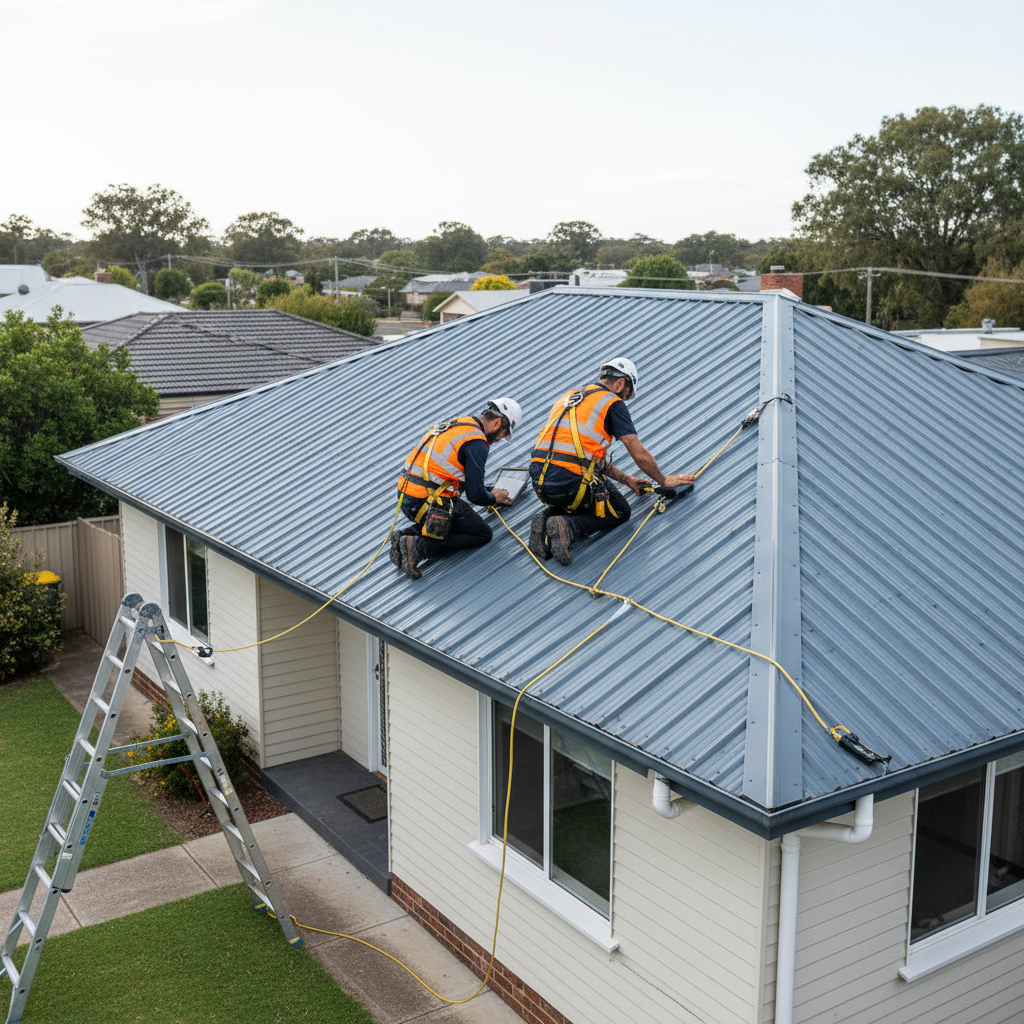
Begin with consistent inspections. Schedule visual checks at least twice a year, ideally in spring and autumn. After big storms or strong winds, perform another inspection to assess for any dislodged materials, broken tiles, or damage to flashings. Don’t forget less visible areas—gutters, valleys, and roof joins often hide early signs of trouble such as rust, debris buildup, or small leaks. Roofing professionals recommend thorough gutter and downpipe cleaning every few months as blocked gutters are notorious for causing water ingress and dampness issues within the home.
c. Key maintenance tasks: gutters, pointing, and battens
Specific maintenance tasks you should prioritise include gutter replacement if there are signs of sagging, rust, or persistent leaks. Damaged gutters can lead to water backing up and being forced into the roof cavity. Likewise, roof pointing and repointing (the process of reinforcing the binding cement under ridge caps) should be checked. Over time, mortar can crack or fall away, leading to exposed gaps where water can penetrate. Timely repointing helps maintain wind-uplift resistance and enhances your roof’s overall weather-sealing performance. It’s also critical to verify the condition of roof battens—if they’re rotting or failing, this will undermine the integrity of both the roof structure and any insulation.
d. Cleaning schedules and different roof types
Reroofing specialists often suggest scheduling a professional high-pressure cleaning every couple of years, particularly for tiled roofs. This process removes accumulated moss and lichen, which retain moisture and accelerate tile decay. If your property’s area is prone to high humidity or surrounded by trees, schedule these cleanings more frequently. For homes with Colorbond or metal roofs, washing away dirt and debris with a hose can extend the paintwork and prevent premature corrosion.
e. Detecting leaks and knowing when to call a professional
It’s wise to regularly check for signs of leaks inside your home. Common indicators include damp spots, sagging plasterboard, or a musty smell in the loft. If you suspect a leak but can’t see visible roof damage, consider engaging a professional for a thorough internal and external assessment. Also, stay attentive to roof noises, which can signal loose or displaced sheets and tiles after weather events.
While DIY repairs may suit basic upkeep like gutter cleaning or replacing a few roof tiles, larger or structural concerns are best left to licensed professionals. Adelaide boasts many reputable residential roofing services, and for larger properties or commercial buildings, you should engage industrial roofing specialists or commercial roofing contractors. These experts bring not only advanced technical skills but also full compliance with South Australian safety, warranty, and building code requirements.
f. User experiences, testimonials, and learning resources
Valuable user experiences and testimonials emphasise the peace of mind afforded by engaging professionals such as Reroof Surgeon. Clients regularly mention the company’s attention to detail, punctual service, and friendly, knowledgeable staff. Many praise the transparent quoting system and willingness to explain repair options, helping property owners make better long-term decisions. Numerous case studies illustrate impressive tile-to-Colorbond conversions and complex commercial reroofing projects completed efficiently and within budget.
For those seeking in-depth guidance, it’s beneficial to access curated resources. Start with “7 Telltale Signs You Need a Roof Replacement, Not a Repair” to avoid common misjudgments. Review comprehensive infographics and step-by-step guides like “The Step-by-Step Process for a Complete Roof Replacement” to visualise the entire process, compare before-and-after case studies, and ensure clarity on what to expect. Proactive maintenance supported by reliable information and experienced roofers guarantees not just a functional roof, but enduring asset value and peace of mind for years to come.
6. Additional Resources and Cluster Content Links
a. Why deeper resources are useful?
If you’re looking to make an informed decision about roof replacement or re-roofing in Adelaide, tapping into deeper resources is essential. With so many roofing types, regulations, and technical nuances—especially in South Australia’s unique climate and compliance environment—you want to ensure you’re equipped with accurate, up-to-date information. To support you, there is a robust collection of cluster guides and supplementary resources, ideal for property managers, homeowners, and business owners alike.
b. Step-by-step guides and conversions
Start by diving into the comprehensive walkthrough, “The Step-by-Step Process for a Complete Roof Replacement.” This resource breaks down every critical stage in a roof replacement project, from initial inspection and prep work to the final installation and aftercare. You’ll learn how to prepare your property for roofing contractors, what questions to ask during each phase, and key milestones that signal your job is on track.
If you’re considering upgrading from traditional tiles to the modern benefits of Colorbond® steel, “The Definitive Guide to Tile-to-Colorbond® Roof Conversions” is indispensable. This article explores why Colorbond is highly regarded for South Australian conditions—focusing on durability, low maintenance, and its ability to withstand severe weather fluctuations. Discover the exact conversion process, the pros and cons of making the switch, and what homeowners should expect in terms of layout changes, insulation improvements, and visual appeal.
c. Metal roofing, warning signs, and approvals
Metal roofs remain a top choice for Adelaide due to their longevity and performance. The guide “Metal Roof Replacement in Adelaide: What You Need to Know” dives into metal vs. tile, budget considerations, and the details of choosing Colorbond, Zincalume, or other leading materials. You’ll also gain insights on installation timelines, cost factors unique to Adelaide, and why properly installed metal roofs offer long-term protection for both residential and commercial buildings.
Still not sure if a full replacement is necessary? Explore “7 Telltale Signs You Need a Roof Replacement, Not a Repair.” This piece helps you spot early warning signs—such as sagging trusses, chronic leaks, visible corrosion, storm damage, and the subtle wear that can be easily overlooked during regular maintenance. Proactively identifying these symptoms can prevent escalation to structural issues, water ingress, or internal property damage.
“Navigating Council Approvals for Re-Roofing in South Australia” demystifies development permissions. You’ll discover which reroofing activities require council notification or approval, the typical documentation you’ll need, timelines for various approval types, and how to avoid costly compliance pitfalls. There’s also practical advice on dealing with heritage overlays and tips for smooth communication with your local council.
d. Choosing contractors and expanding your knowledge
When it comes to selecting the right trade professionals, “How to Choose The Best Re-Roofing Contractors in Adelaide” is your go-to resource. You’ll find actionable tips on vetting roofing companies, confirming licensing and insurance, understanding workmanship warranties, and what to expect in detailed written quotes. This guide includes partner recommendations, due diligence checklists, and red flags to be aware of when comparing quotes or seeking references.
For those seeking to expand their expertise even further, you can explore supplementary articles around Colorbond steel technology, SA building codes, the latest weather-resistant materials, maintenance checklists, and aftercare systems. If you have specific concerns or an unusual project scenario, don’t hesitate to reach out to the Reroof Surgeon team for expert, tailored advice. Their curated content, combined with direct industry guidance, empowers you to make confident, long-lasting roofing decisions for your Adelaide property.
Contact Reroof Surgeon now for an expert inspection and personalized roofing solution in Adelaide.
Subscribe to our newsletter to get updated and enjoy a 10% voucher
November 12, 2025