Immediate Response Actions for Emergency Roof Leaks
• Identify the Leak Source: When facing active dripping or visible water stain on your ceiling, first determine the location of water intrusion. Check for sagging drywall, musty odors, or water infiltration in the attic. Look for telltale signs like dark spots, water streaks, or damp insulation—these are common with both storm damage and animal damage. Infrared scans, if available, can help spot trickier hidden leaks.
• Minimize Interior Damage: Move valuables and sensitive furniture away from the leaky area quickly. Use buckets, towels, mops, and attic catch-basins to capture and manage pooling water. This quick action is essential for damage mitigation, reducing risks to electrical systems and structural issues.
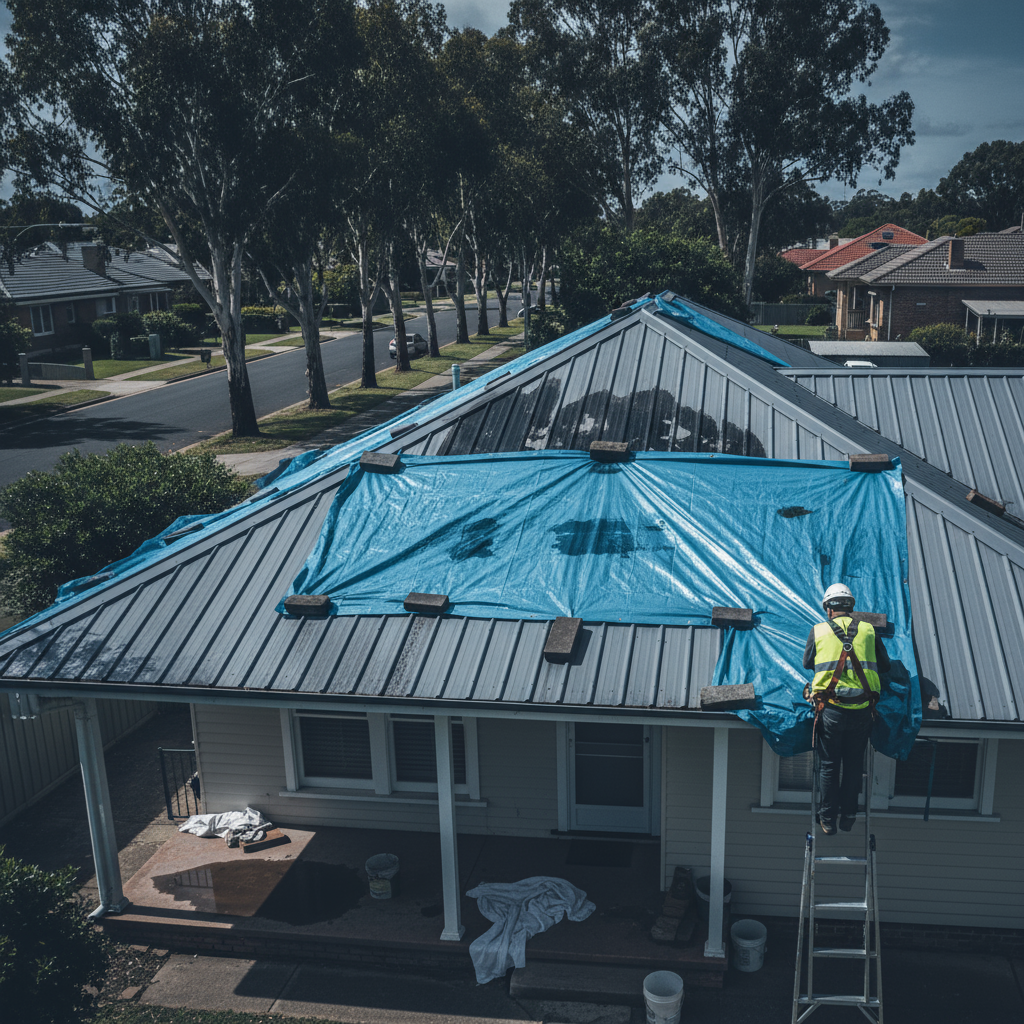
• Contain the Leak Externally: Use heavy-duty plastic sheeting or a roof tarp to cover the damaged roof surface. Secure the tarp with bricks, nails, or weighted objects to block water infiltration. Emergency tarping services may be available locally if the damage is extensive or weather conditions are unsafe. If water continues to enter, reinforce vulnerable areas until professional emergency leaking roof assistance can be arranged.
Essential Tools, Materials, and Safety Tips for Quick Repairs
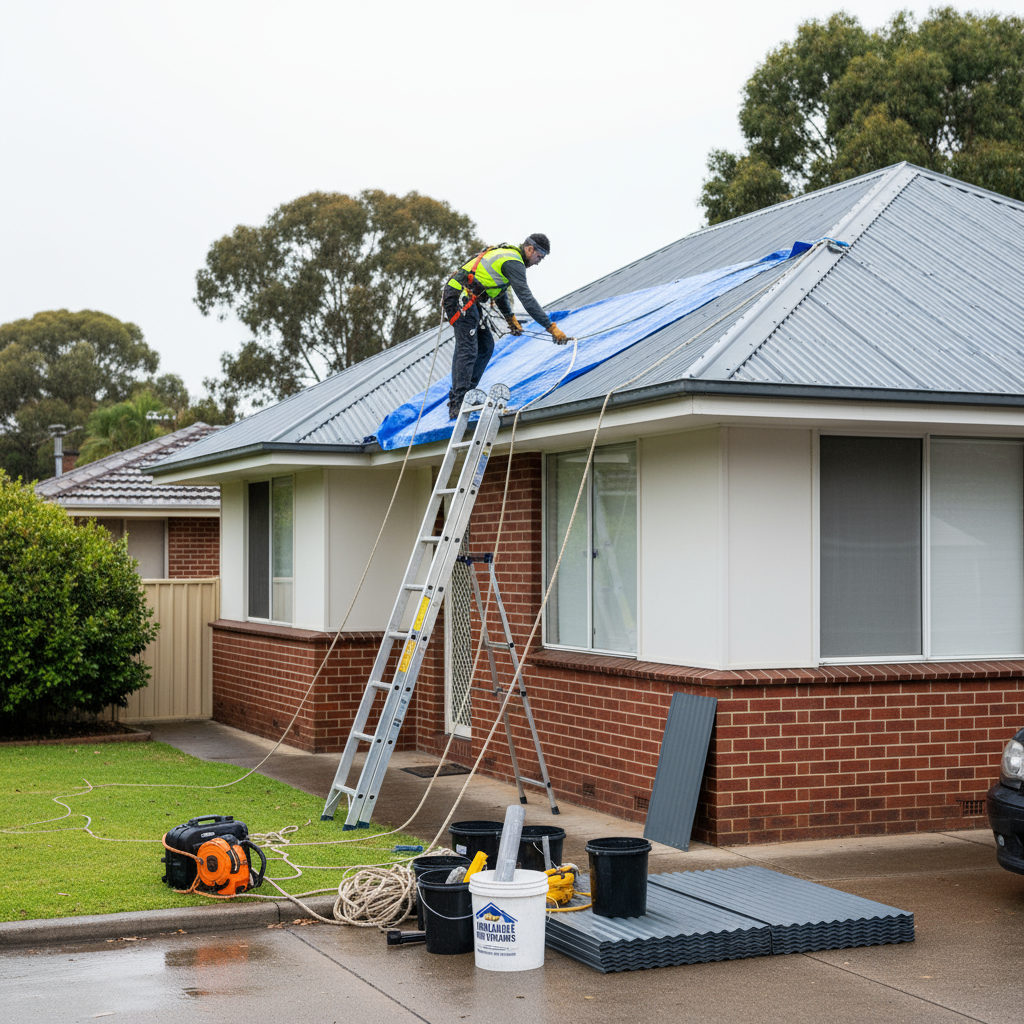
• Must-Have Emergency Tools: Every household should keep tarps, buckets, mops, towels, duct tape, roof sealants, and patching materials on hand for unexpected leaks. Having a roof tarp, rope, and gloves can make temporary mitigation safer and more effective. For those with metal roofing or flat roof membrane systems, be sure to use compatible repair items.
• Procurement Tips: South Australian hardware stores usually stock emergency repair essentials. When severe weather is forecast, check your supplies or consider online stores with rapid delivery options for flash fixes.
• Safety Precautions: Safely inspecting and temporarily repairing a roof requires caution. Always use a sturdy ladder placed on even ground, wear non-slip footwear, and secure loose clothing. If your home has sustained hail damage or you suspect structural weaknesses, avoid climbing on the roof altogether. Never attempt large-scale repairs in high winds or storms—your safety is always the top priority.
Step-by-Step DIY Temporary Mitigation for Leaks
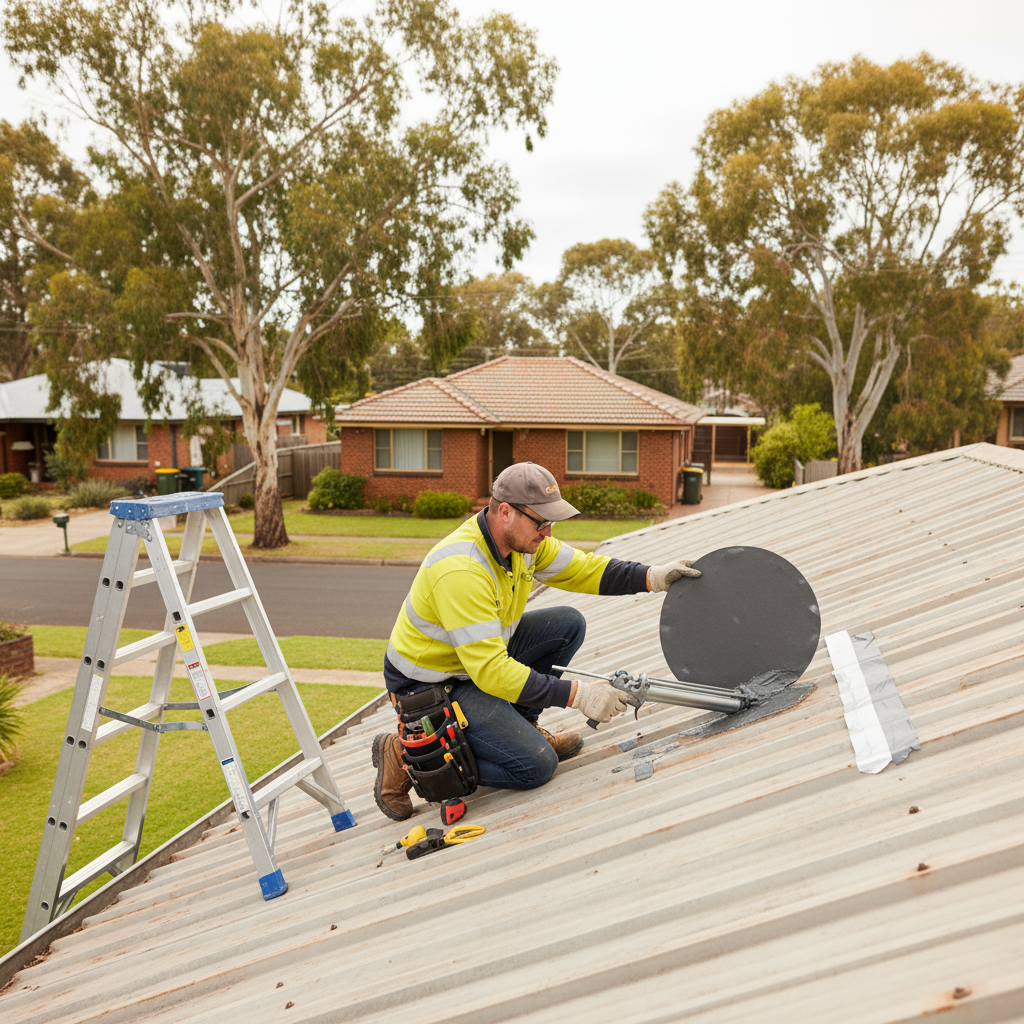
• Applying Roof Sealant: For minor leaks, use roof sealant as a temporary fix. Select a sealant compatible with your roof shingles, metal roofing, or flat roof membrane. Thoroughly dry the affected area and apply sealant in layers, ensuring it covers all visible cracks or gaps on the roof surface. This method works for both emergency roof repair and as a short-term deterrent until professional emergency roofing arrives.
• Patch Repair Techniques: Cut patch materials larger than the damaged area for better waterproofing. Use roofing repair tape, tarps, or even duct tape if necessary. Firmly press the material in place, then weigh it down if the weather is calm. Temporary fixes like these help delay costly repair costs due to unchecked water intrusion.
• Professional Emergency Roofing Services: After initial containment, schedule an emergency roof inspection. Reroof Surgeon’s qualified emergency repair services provide thorough inspection reports, and they can coordinate with insurance adjusters and your insurance company. If extensive damage or mold growth is suspected, seek professional emergency repair services for a long-term solution and structural peace of mind.
When to Call the Professionals & How to Prevent Future Roof Leaks
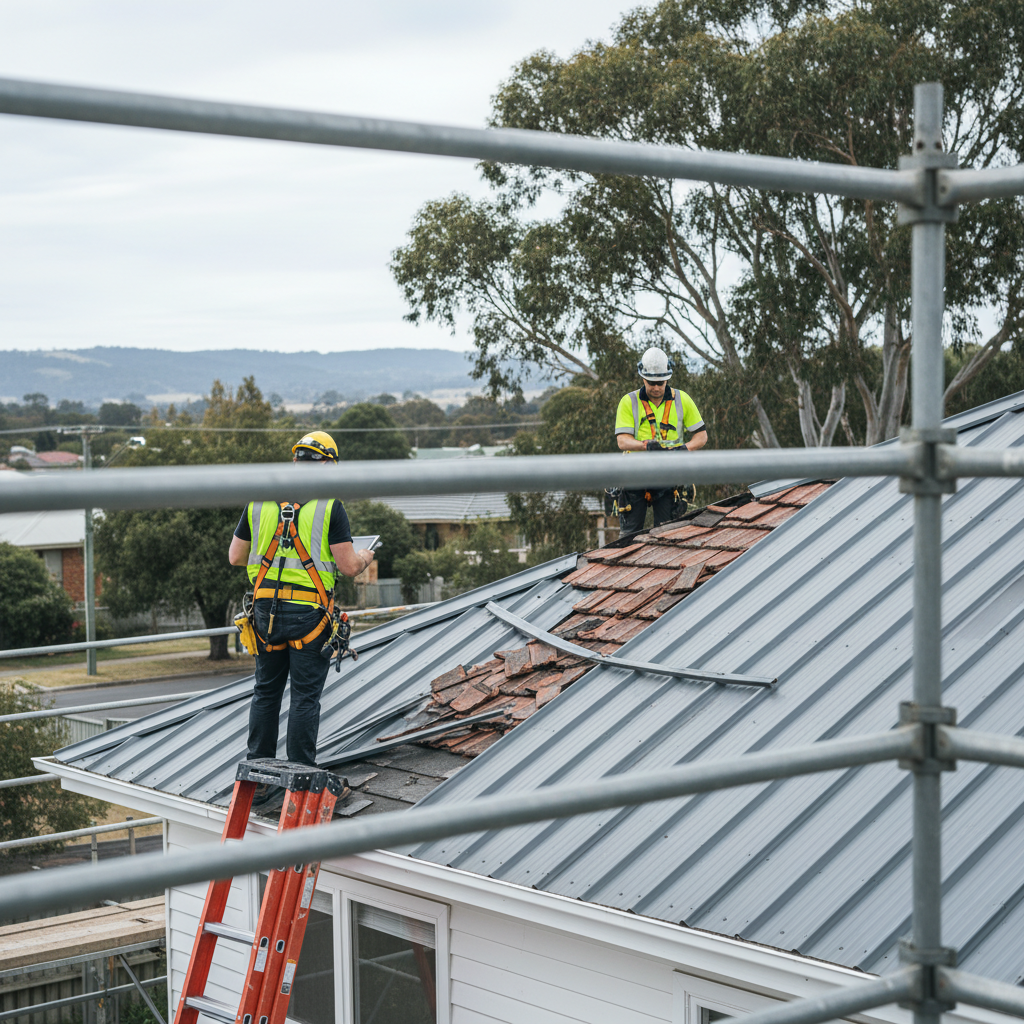
• Indicators You Need Expert Help: Call for emergency roof repair if you notice persistent leaks after temporary mitigation, structural issues like sagging drywall, widespread roof damage, ongoing storm damage, or unexplained musty odors suggesting mold growth. Likewise, if damage affects multiple roof shingles, flat roof membrane, or involves electrical systems—professional emergency roofing is essential.
• Choosing Qualified Emergency Repair Services: Vet any emergency roof repair service for licensing, insurance, and client reviews. Ensure a prompt emergency response and clear communication about what’s included (e.g., emergency tarping services, inspection report, water damage mitigation). Trusted South Australian firms, like Reroof Surgeon, offer emergency roof inspection and tailored repair plans for enduring results.
• Preventive Measures: Stay ahead of future leaks by scheduling regular roof inspection, gutter cleaning, and timely repairs after storm or hail damage. Consider upgrades to metal roofing or high-quality flat roof membrane systems as long-term solutions. Reinforce vulnerable areas, invest in quality attic insulation, and regularly clear roof surfaces to minimize animal damage, water infiltration, and structural weaknesses.
Act fast to limit roof leaks before they escalate. Protect your home with quick emergency responses and invest in regular roof care. For expert support in South Australia, consult Reroof Surgeon—your weatherproofing partner for lasting results.